

Was your wheel-off accident claim denied by an insurance company in Texas? If so, don’t assume the fight is over.
Yes, a denial can feel final, especially when you’re in pain and watching your medical bills pile up. But remember this – a denial isn’t the same thing as a court ruling.
Insurance companies deny claims for all kinds of reasons. Some point to coverage problems or medical treatment delays. Others dig through medical records and try to use old injuries against you. And if there’s any doubt, the insurer may claim that there isn’t enough proof to explain why the wheel came loose or who was responsible for the accident.
That doesn’t mean the company is right.
A skilled lawyer can review the denial, find the weak spots, gather stronger evidence, and push back against unfair claim tactics. You can still fight to recover the money you deserve after a wheel-off accident.
Read on to learn why Texas wheel-off accident claims get denied, what rights you have after a denial, when bad faith may be involved, and how an attorney can help you navigate this process.
A Denied Wheel-off Claim Doesn’t Mean Your Case Is Over

A denied wheel-off claim is the insurance company’s answer for now. It’s not the final word on your case.
That distinction is important because insurance companies write denial letters in a way that can make people feel defeated. The letter may quote policy language, mention missing records, or make the denial sound like a settled legal decision. But in reality, the company is just giving its own position.
That position can be challenged.
After a denial, you may still have several paths forward. You can ask for a clearer explanation, submit more evidence, or file an appeal. You can also challenge the insurer’s reading of the policy or pursue a lawsuit when the facts support it. If the insurer handled the claim unfairly, you may also have a separate bad faith issue.
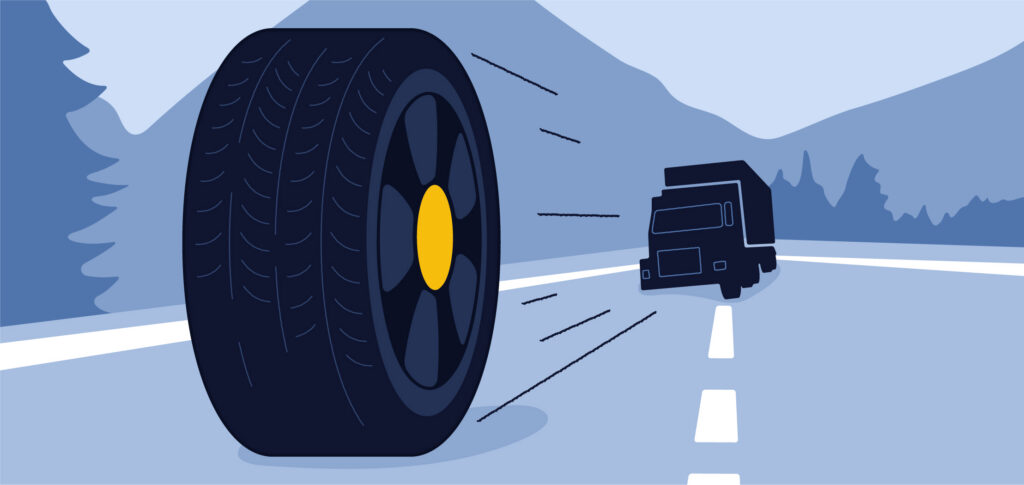
Wheel-off accident claims are often denied because the cause of the crash isn’t obvious at first glance. A tire or wheel doesn’t usually come off for no reason. The problem may trace back to loose lug nuts, bad repairs, poor inspections, worn parts, overloaded equipment, skipped maintenance, or ignored warning signs.
The insurer may try to use that uncertainty against you. Instead of digging into the cause, they can take the easier route and say there’s not enough proof. That’s why a denial should be treated as a signal to investigate harder, not a reason to walk away.
Even after a denial, you may still have a strong case. The issue is whether the insurance company’s denial reason holds up once someone looks at the documents, the crash facts, and the full chain of responsibility.
Why Do Insurers Deny Wheel-off Accident Claims in Texas?
Insurers deny wheel-off accident claims for many reasons, but most denials fall into a few broad categories. The company may question coverage, timing, medical proof, fault, or the connection between the crash and your injuries.
With coverage-related denials, the insurer may have determined that the policy wasn’t active, the vehicle wasn’t covered, or an exclusion applied. These denials can sound technical, but they should still be supported with evidence. The insurer should be able to point to the policy language and explain how it applies to your specific accident.
Timing denials usually focus on when the crash was reported. The company may argue that you waited too long and made the investigation more difficult. A delay can create problems, but it doesn’t automatically destroy a claim.
Medical denials are also common. The insurance provider may say that your records don’t prove that you were hurt, that your treatment started too late, or that your pain came from a pre-existing condition. These arguments can be frustrating because they often ignore what life actually looks like after a crash. People don’t always feel every injury right away, and many accident victims try to push through the pain before realizing they need proper medical care.
Fault denials can be even more aggressive. In a wheel-off accident, the insurer may argue that the truck driver wasn’t responsible or that the vehicle owner didn’t know there was a problem. They may also blame another company or individual. When several parties are involved, finger-pointing becomes a defense strategy.
The type of denial tells you what kind of proof you’ll need next. A coverage dispute may call for policy documents, payment records, or cancellation notices. Medical disputes usually require clearer treatment records or support from your doctor. If the insurer is fighting fault, the focus shifts to how the wheel came loose, who was responsible for keeping the vehicle safe, and what evidence proves it.
The first step is understanding the excuse. The next step is proving why it doesn’t hold up.
Can a Lapsed Policy Be Used to Deny a Wheel-off Accident Claim?
Yes, an insurer can deny a claim if the policy truly wasn’t active when the crash happened. But the insurance company has to prove that. They can’t just throw out the phrase “lapsed policy” and expect it to be accepted without question.
A real coverage denial should be backed by documentation. Those documents may include the policy start and end dates, payment history, renewal records, cancellation notices, mailing records, and any terms the insurer referenced when making their decision.
The timeline needs to make sense. The insurer shouldn’t deny coverage based on a cancellation that took effect after the accident date. If the insurer says that the policy ended before the wheel-off accident, they should be able to show exactly when the coverage ended and why.
Insurers make mistakes all the time. A payment can be posted to the wrong account, a renewal can get processed late, or a cancellation notice can be sent to the wrong place. That’s why a lapsed policy excuse needs to be checked against the actual documents.
That last point is especially important in wheel-off cases involving commercial vehicles. A truck may be tied to more than one policy. The truck driver, owner, motor carrier, repair shop, leasing company, and maintenance contractor could each have different coverage. One denial from one insurer doesn’t mean that every path to recovery is closed.
A lapsed policy argument also needs to be checked against the policy rules. Insurance companies have procedures they must follow when canceling coverage. If the company failed to follow those procedures, you may have an opening to challenge that denial.
So, if you receive a denial because coverage is denied, don’t just accept it. Ask what documents support the decision, what policy language the insurer relied on, and whether any other policies apply. Legal professionals have the experience and resources to track down coverage you didn’t even know existed.
Can a Delay in Reporting Hurt Your Wheel-off Accident Claim?
A delay in reporting can make a claim more difficult.
That’s because insurance companies tend to treat late reporting like a major failure. They may say you missed a notice requirement in the policy or waited too long to give them a fair chance to review the claim. But that doesn’t automatically make the denial valid. A delay needs context.
Life after a serious crash is rarely neat. You may be dealing with pain, medical visits, transportation problems, missed work, family stress, or shock from what happened. If the crash involved a wheel that came off a commercial vehicle, you may not know right away which company owned it, who maintained it, or where to send the claim.
Plus, some injuries take time to show up fully. Neck pain, back pain, headaches, numbness, and soft tissue injuries can feel worse after the adrenaline fades. A person who feels “mostly okay” at the scene may need care days later. That doesn’t mean the injury is fake, and it doesn’t give an insurer permission to ignore the claim.
If you receive this type of denial, focus on two things: why the report was delayed, and whether the insurer was actually harmed by that delay. Insurance companies use notice rules to protect themselves from fraud, reduce risk, and preserve their ability to investigate a claim while the facts are still fresh. But that doesn’t mean every late report gives them a valid reason to deny payment.
Police reports, medical records, photos, tow records, repair estimates, 911 records, and witness statements can all show that the claim can still be fairly reviewed. A lawyer can explain why the report wasn’t immediate, show what evidence still supports the claim, and push back if the insurer is using a technical delay as an excuse to avoid paying.
Can a Preexisting Condition Be Used to Deny Your Wheel-off Claim?

Insurance companies often point to preexisting conditions when they want to avoid paying the full value of an injury claim. Prior back pain, neck problems, arthritis, past surgeries, or old treatment records can all become part of their argument. Their argument is that the wheel-off accident didn’t cause anything new.
Texas law doesn’t allow an insurer to escape responsibility just because you weren’t in perfect health before the crash. If the wheel-off accident made an existing condition worse, caused new symptoms, increased your pain, or made daily tasks harder, you can still seek compensation for the added harm.
The focus should be on the difference between before and after. Occasional soreness before the accident is different from pain that now keeps you from sitting, sleeping, lifting, or working. A stable old injury is different from new headaches, nerve pain, or pain that spreads into your arm. Even if you were more vulnerable before the crash, the insurer shouldn’t ignore the added harm caused by the wheel-off accident.
Medical proof becomes critical here. Your records should show what your condition looked like before the accident, what changed afterward, and how the crash affected your ability to function. Doctor notes, imaging, therapy records, work restrictions, prescriptions, and consistent treatment can all help tell that story.
The insurer’s goal is usually to blur the line between old and new. Your response should draw that line clearly.
Don’t hide prior injuries from your lawyer or your doctors. That only gives the insurance company ammunition later. Be honest about your medical history, then focus on what the wheel-off accident changed. An old injury doesn’t erase new damage.
What Are Your Rights After a Wheel-off Accident Claim Denial?
After a wheel-off accident claim denial in Texas, you have the right to know why the insurance company refused to pay. You shouldn’t have to guess.
A denial should come with a written explanation. The insurer should identify the coverage issue, explain why they believe your injuries aren’t related to the crash, or point to the specific proof they believe is missing. They shouldn’t be able to hide behind a vague denial.
You also have the right to challenge the denial. That can include asking for a full review, submitting additional evidence, correcting factual mistakes, and disputing the insurer’s interpretation of the policy.
You may also be able to request documents connected to the denial. Depending on the claim, this could include policy provisions, claim correspondence, coverage explanations, inspection reports, photos, estimates, or other materials the insurer considered when they made their decision.
The insurance company also has a duty to handle claims fairly. They can investigate. They can ask reasonable questions. They can dispute claims when real issues exist. But they can’t misstate coverage, ignore evidence, delay without a valid reason, or deny a claim without a reasonable basis.
That’s why vague denial letters deserve attention. A denial based on “insufficient evidence” should explain what proof the insurer believes is missing. Without that explanation, the denial may be weaker than the insurer is making it out to be.
Your rights after a denial are about information, review, and accountability. The insurer doesn’t get to hide behind formal wording. They need to explain themselves, and you have the right to push back when the explanation doesn’t align with the facts.
What Steps Should You Take After a Wheel-off Claim Is Denied?
After a wheel-off accident claim is denied, the first step is to read the denial letter carefully. Don’t skim it. Look at the reason given, the dates mentioned, the policy language cited, and whether you need to appeal by a certain date.
Next, compare the denial to the facts. A lapsed coverage argument should be checked against payment records, renewal documents, and cancellation notices. To challenge a late reporting argument, you need a clear timeline showing when you reported the crash, why there was a delay, and what evidence still supports your claim.
When the insurer points to a preexisting condition, gather medical records showing how your symptoms changed after the accident.
A formal appeal should answer the denial point by point. Address every argument the insurance company raised, correct any wrong information, and call out any evidence they ignored. Make your response clear enough that they can’t brush you off.
Keep the appeal organized. A rambling response can make it easier for the insurer to gloss over the strongest parts of your case. A clear response prompts the company to deal with each issue directly.
You should also keep everything in writing. Save the denial letter, emails, claim numbers, adjuster names, medical bills, records, photos, repair information, and anything else tied to the claim. Phone calls can be forgotten or twisted. And written records are harder to dodge.
And be careful with recorded statements after a denial. Adjusters ask seemingly harmless questions that create problems for victims down the line. Questions about speed, distance, pain levels, prior injuries, or what you “could have done” can lead to guesses. Guesses are dangerous because the insurer can try to use them as admissions.
If the wheel-off accident involved a commercial vehicle, act quickly to preserve evidence. The vehicle may be repaired, parts may be replaced, and maintenance documents may become harder to obtain. A lawyer can send preservation letters before key proof disappears.
The goal isn’t to beg the insurer to reconsider. The goal is to build a stronger record and make the denial harder to defend.
What Is a Bad Faith Claim After a Wheel-off Accident Denial?
A bad faith claim focuses on how the insurance company handled the claim. It’s separate from the original wheel-off accident claim.
The original claim is about the crash: who caused it, how you were hurt, and what losses you suffered. A bad faith claim is about the insurer’s conduct after the claim was filed. If the company handled the claim unfairly, that conduct can lead to legal problems for the insurer.
Not every denial counts as bad faith. Sometimes there’s a real dispute about coverage, fault, causation, or damages. Insurance companies are allowed to investigate claims and raise legitimate issues.
Bad faith becomes a concern when the company treats people unfairly. That can happen when they deny a claim before reviewing key evidence, misstate policy language, ignore facts that support payment, delay the process without a good reason, or refuse to explain their decision.
Wheel-off claims can be easier for insurance companies to dispute because the proof isn’t always simple. You may need records showing who inspected the vehicle, who repaired it, whether the lug nuts were tightened correctly, and whether anyone knew about a problem before the wheel came loose. Most people have no idea how to get those records or challenge the insurer’s conclusions.
An insurer shouldn’t use that knowledge gap as cover for a weak denial. They should always base their decision on facts. When they rely on assumptions instead of doing a fair investigation, that can be a serious problem.
Delays can also raise concerns. Some insurers keep asking for the same records, fail to return calls, move the claim from one adjuster to another, or wait months before giving a clear answer. That kind of pressure can make injured people feel like giving up.
What Extra Damages Can a Bad Faith Claim Add to Your Case?
A bad faith claim can add another layer of damages to the case.
Damages from the original wheel-off case include losses from the crash. They can include medical bills, lost wages, pain, physical limitations, property damage, and other harm tied to the accident itself.
Bad faith damages are different. You can recover emotional distress compensation and attorney fees on top of your original wheel-off damages. If the insurer’s conduct was especially serious, punitive or exemplary damages may also be available.
These damages aren’t automatic. You need facts that show more than a simple disagreement. A bad faith claim requires proof that the insurer acted unfairly, dishonestly, or without a reasonable basis.
That proof can come from the claim file, letters, emails, adjuster notes, policy explanations, and timelines. It may also come from records showing what the insurance company knew before denying the claim. If the company had clear proof but denied the claim anyway, that can become a major problem for the defense.
Punitive damages are meant to punish serious misconduct. Courts don’t award them just because an insurer made a mistake. But when an insurer knowingly mistreats a claimant, hides behind a false excuse, or refuses to investigate a valid claim, they may be forced to answer for more than the original accident damages.
Bad faith also changes the tone of the case. The insurance company isn’t just defending their view of the crash anymore. They also have to answer for how they handled the claim.
Does Partial Fault Mean You Can’t Recover Wheel-off Accident Damages?
Partial fault doesn’t always block recovery. In Texas, we use a modified comparative fault rule when more than one person or company may share blame for an accident.
In general, you can still recover damages when you’re determined to be 50% or less responsible for the accident. Your compensation is reduced by your percentage of fault. If you’re more than 50% responsible, you’re barred from recovering damages.
Here’s a simple example. If your damages are worth $100,000 and you’re found 25% responsible, your recovery may be reduced by 25%. That would leave $75,000. But if you’re found 51% responsible, you may recover nothing.
Insurance companies know fault arguments can save them money. In a wheel-off case, the insurer may blame you for speeding, following too closely, failing to react fast enough, or not avoiding the wheel in the roadway. These arguments can sound unfair because they often are.
A loose wheel may bounce, roll, cross lanes, strike a vehicle, or cause a chain reaction before anyone has a safe chance to react. A driver in the wheel’s path may only have a moment to decide what to do. Sometimes, there’s no safe move to make.
That’s why fault arguments need to be challenged with real evidence. The location of the impact, the speed of the vehicles, witness accounts, video, road conditions, crash damage, and timing can all affect how fault is assigned.
The insurer’s version may leave out key facts. It may focus on what you could have done in theory instead of what was actually possible in the moment. A lawyer can push back against that kind of hindsight.
Partial fault is often used as a pressure tactic. The insurance company doesn’t always need to prove you caused the crash entirely. Even shifting a small percentage of the blame onto you can reduce the amount the insurer has to pay.
So, you shouldn’t accept fault just because an adjuster suggests it. Let the evidence answer the question.
How Does a Lawyer Help Fight a Denied Wheel-off Accident Claim?
A lawyer helps by turning a denied claim into a real legal fight instead of a back-and-forth with an adjuster.
A lawyer starts by breaking down the denial letter and looking for weak spots. The insurer may have left out key facts, relied on the wrong policy language, or made assumptions that don’t match the evidence.
From there, the attorney can build a stronger response. That may mean correcting the insurer’s version of events, finding missing records, getting medical support, or showing why the wheel-off accident points to a maintenance, repair, or safety failure. Instead of answering the denial in broad terms, a lawyer can focus the fight on the exact reason the insurance company gave for refusing to pay.
Legal experts can also go after evidence that injured people usually can’t get on their own. Companies don’t always hand over maintenance logs, inspection records, driver files, repair invoices, internal emails, or parts information just because someone asks. Formal legal pressure is what makes a difference.
A legal professional can also move quickly to lock down proof before the other side has a chance to clean up the problem. In a wheel-off case, the condition of the vehicle, the damaged parts, and the maintenance history can tell the real story. If those details aren’t preserved early, the insurer has more room to claim the cause can’t be proven.
An attorney can also protect you from adjuster tactics. After a denial, the insurance company may ask for a recorded statement, request broad medical authorizations, or push you to explain details you aren’t ready to answer. A wrong guess can create unnecessary problems.
Having a lawyer involved changes how the insurer sees the claim. They know you have someone who understands the process, can challenge weak excuses, and can take the case to court if needed. That makes it harder for the insurance company to brush off your claim or pressure you into giving up.
A law firm with experience in serious accident cases can evaluate the original claim, possible bad faith conduct, available insurance coverage, and the evidence needed to move forward. That broader view is critical because wheel-off accident cases can involve more than one responsible party and more than one source of recovery.
The insurance company has a team looking out for their interests. You deserve someone looking out for yours.
Contact Grossman Law Offices About Your Wheel-off Accident Claim
If your wheel-off accident claim was denied, Grossman Law Offices can help.
For more than 35 years, Grossman Law Offices has handled serious accident cases in Texas. We know how insurance companies defend these claims, and we know how quickly they can use confusion, delays, or missing evidence against injured people.
We’ve recovered millions of dollars for injured clients, including cases where insurance companies refused to pay at first. We understand that a denial letter can make people feel like they’ve run out of options, but we’ve seen insurers change their position when the evidence is developed and presented the right way. Our experience helps us spot weak excuses, missing facts, and unfair claim tactics that injured people may not recognize on their own.
We’ll give your denial letter a careful review. The reason given may be weak, incomplete, or based on facts that don’t tell the whole story. There may also be other responsible parties, other insurance coverage, or signs that the insurer handled the claim unfairly.
We can review what happened, explain what the insurance company is relying on, and help you decide what to do next. When a denial doesn’t hold up, we can challenge it with evidence, policy review, and a clear explanation of why the claim should be reconsidered. We can also move quickly to preserve key evidence and review whether a bad faith claim may apply.
Our team is available 24/7, so you don’t have to wait for regular business hours to get help. Contact Grossman Law Offices today to talk through your denied wheel-off accident claim and take the next step toward recovering what you’re owed.

 Lláma
Lláma  Correo
  Mensaje