

If you’re looking into wheel-off accident settlements, something serious probably happened. Maybe a wheel came loose, a crash followed, and now you’re trying to figure out what the insurance company is actually offering. Meanwhile, bills keep showing up, work may be on hold, and everyone seems to want answers before you even know the full damage.
That can get overwhelming fast. But the more you know about wheel-off accident settlements, the better.
Read on to learn how Texas courts define wheel-off accident settlements, what happens before a case settles, what to expect after settlement, and more.
What Is a Texas Wheel-off Accident Settlement?

A wheel-off accident settlement in Texas is a legal agreement where the at-fault party pays the injured person to resolve the case without a full trial. In plain terms, both sides agree to end the legal fight for a set amount of money.
The payment may come from an insurance company, driver, vehicle owner, trucking company, repair shop, or another responsible party. The paying side usually doesn’t admit fault. They pay because going to trial is expensive and unpredictable.
Wheels don’t usually come off for no reason. Loose lug nuts, poor repairs, missed inspections, worn parts, and ignored warning signs can all lead to wheel detachments. So, these cases require an in-depth investigation.
Once the agreement is signed, it’s final in most cases. The injured person gives up the right to keep suing over the same crash, and the other side has to pay the agreed amount.
What Steps Are Taken Before a Wheel-off Accident Settles?
A wheel-off accident starts with evidence gathering. Insurance companies are always looking for gaps, and they’ll use weak proof against you.
Important evidence may include the crash report, photos, video, witness statements, repair records, maintenance records, inspection history, and towing documents. The wheel, tire, hub, lug nuts, studs, and related parts can also be helpful in these cases.
Medical records are just as important. They reveal information about the injury, treatment, costs, and long-term impact. Emergency care, imaging, therapy notes, surgery records, and work restrictions all affect your final settlement value.
The next question is fault. The issue isn’t just that the wheel came off; it’s why it came off. The driver may have ignored clear warning signs, or a repair shop may have installed the wheel the wrong way. In other cases, the problem may trace back to skipped maintenance by a trucking company or a defective part sold by a manufacturer.
More than one party can share responsibility for the same accident. That can open up more paths to financial recovery, but it usually means more finger-pointing.
If early settlement negotiations fail, the injured person can file a lawsuit.
Once a suit is filed, both sides go through discovery. They exchange documents, answer written questions, take depositions, and may use expert testimony. In wheel-off cases, experts may explain how the wheel separated and what should have been done to prevent it.
Many cases also go to mediation. Mediation is a settlement meeting led by a neutral person. The goal is to reach a final deal before trial.
How Is a Wheel-off Accident Settlement Amount Determined?
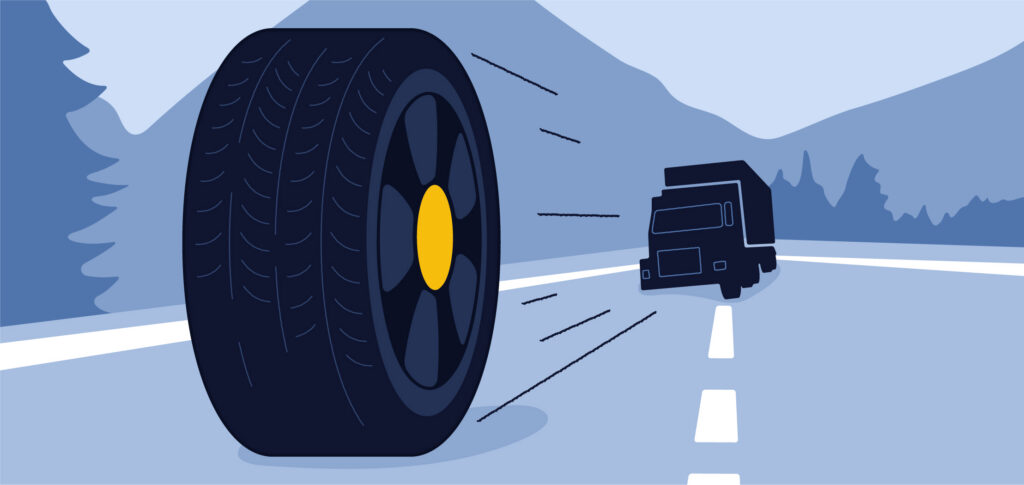
A wheel-off accident settlement usually comes down to two big questions: who caused the crash, and how badly were you hurt? You need proof that someone else was responsible, and you need proof of what the crash has cost you.
Medical bills are usually a major part of the claim. That includes the treatment you’ve already received and any care you’re expected to need later. Future care can be a big deal if your injury involves surgery, broken bones, nerve damage, head trauma, long-term pain, or permanent limitations.
Lost income can also be part of the settlement. If the crash kept you from working, those missed paychecks should be included. If your injuries affect the kind of work you can do later, the case may also include loss of earning capacity.
Then there’s pain and suffering. Insurance adjusters often try to downplay pain, but anyone who’s been through a serious crash knows better. Pain can affect your sleep, movement, work, family life, and daily routine.
Strong evidence can put real pressure on the insurance company to make a better settlement offer. Clear photos, preserved parts, credible witnesses, and expert opinions can make it harder for them to deny what happened. Weak evidence gives them room to delay, dispute fault, or offer less.
No two cases settle for the same amount. The injuries, insurance coverage, fault, and long-term effects all shape the final number. An experienced attorney can help show the insurance company why a fair settlement makes more sense than taking the case to trial.
Do Insurance Limits Affect a Wheel-off Accident Settlement?
Yes. Insurance limits can control how much money is available in a wheel-off accident case, even when the actual damages are much higher.
A serious injury can cost more than one insurance policy covers. Medical bills add up fast. Lost income creates even more pressure. If the at-fault party has low policy limits, the first policy may not be enough.
That’s why you need to look at every possible source of coverage. The driver could have coverage. The vehicle owner could have a separate policy. If a truck was involved, there may also be coverage through the trucking company, employer, repair shop, maintenance contractor, or another business connected to the crash.
Insurance companies don’t always point you toward every policy that could help you. They’re not in a hurry to hand you more money. They may dispute fault, question your injury, blame someone else, or push a quick offer before you know the full cost of the accident.
Don’t settle too early, though. Once you sign, you may be stuck with future medical bills yourself.
What Costs Come Out of a Wheel-off Accident Settlement?

The settlement amount isn’t always the amount you take home. Before the money gets to you, a few things usually have to be paid.
Attorney fees are one of them. Most injury cases are handled on a contingency fee. This means the attorney is paid a percentage of the settlement instead of an hourly rate as the case moves forward.
Case expenses may include filing fees, record fees, expert fees, deposition costs, and investigation costs. Wheel-off accident cases can get technical, so experts may be needed to explain what failed and why.
Medical liens may also be paid from the settlement. Hospitals, health insurers, government benefit programs, or medical providers may claim they should be repaid for crash-related care.
The good news is that medical liens are often negotiable in wheel-off accident cases. Reducing those liens can put more money in your pocket.
Before the case closes, you should receive a clear breakdown showing the total settlement, attorney fees, expenses, lien payments, and your final take-home amount.
What Happens After You Sign a Wheel-off Accident Settlement?
After both sides agree to settle, the defense usually sends the settlement papers. These papers often include a release of claims, which says you accept the settlement and give up the right to file another lawsuit over the same wheel-off accident.
That release is serious. Once you sign it, you usually can’t reopen the claim if your pain gets worse, your bills grow, or you need more treatment than expected.
After the release is signed, payment is usually sent within thirty to sixty days. The exact timing can depend on the settlement terms, the insurance company, and whether any liens still need to be resolved.
The money usually goes into the attorney’s trust account first. From there, attorney fees, case expenses, and liens are paid. Then the client receives the remaining funds, along with an explanation of where all the money went.
Sometimes, there are other steps involved, especially if the injured person is a minor, government benefits are involved, or court approval is required.
Contact Grossman Law Offices About Your Wheel-off Accident Case
If you or a loved one was hurt in a wheel-off accident in Texas, you need a seasoned lawyer. Grossman Law Offices can help you understand your rights.
When a wheel comes off a vehicle, there’s usually a cause behind it. It could be poor maintenance, careless repairs, ignored warning signs, or unsafe company practices. The insurance company may try to make the accident sound minor, but that doesn’t mean their version is the truth.
Grossman Law Offices has more than 35 years of experience handling serious accident cases. We know what details to look for, what excuses insurance companies use, and how to build a case that gets you results.
Contact our law firm today to speak with an attorney, get your questions answered, and find out what to do before the insurance company gets too far ahead of you.

 Lláma
Lláma  Correo
  Mensaje