

A Texas wheel-off accident can leave you with a wrecked car, serious pain, missed work, and an ever-growing pile of bills. Then, the insurance company calls with a settlement offer to “resolve” the claim.
That first offer can feel like a godsend. After all, the bills don’t stop just because you were injured. Neither do the calls, forms, or pressure. A settlement check and a chance to move on can sound pretty tempting to anyone reeling from a wheel-off accident.
But be careful.
Once you sign a settlement release, the case will be over. You can’t come back later because your back injury got worse, your doctor ordered surgery, or you stayed out of work longer than expected.
The insurance company knows that. That’s why you should slow the process down before you agree to anything.
Read on for five steps to take before accepting that first settlement offer.
5 Steps to Take Before Accepting a Texas Wheel Off Settlement

Step #1 Review the Texas Wheel Off Settlement Offer Carefully
Despite what some may think, a settlement offer isn’t a final decision. You can accept it, reject it, or respond with a counteroffer.
Insurance companies often make low offers early on in the claims process. That initial offer may come long before you know how badly you’re hurt. It may arrive before you’ve seen a specialist, finished treatment, or learned whether you’ll need care months from now.
That timing isn’t random.
The insurance company wants to close the file for as little money as possible. The adjuster may be polite. They may say the offer is fair. They may even tell you the process will be faster if you take it now. None of that means the offer reflects the full value of your claim.
Read the offer closely. Look at what it includes and what it leaves out.
Does it cover all medical bills? Does it include future treatments? Does it account for missed work? What about reduced earning ability if you can’t return to the same job? Does it include pain, physical limits, stress, or the way the injury has affected your day-to-day life?
A lot of first offers focus on easy numbers. The insurance company may look at a few medical bills and some basic property damage, then act like they’ve considered all aspects of your claim. They may even act like the situation is simple.
But here’s the thing: wheel-off accidents are usually anything but simple.
You should also be on the lookout for broad release language. A settlement agreement may cover your current claims, but you may still deal with additional issues later on because of the accident. Once you sign, the insurer gets to close the case. And you get whatever number is written on the check, even if you need more money in the future.
That trade may seem fair now, but it’s really risky. Accepting a wheel-off settlement too soon can make it impossible to recover compensation for future medical care and long-term needs.
Don’t let the insurance company rush you into saying yes over the phone. Ask for the offer in writing. Keep a copy. Review every line. If the number seems low, it probably needs a closer look.
A settlement offer is part of a negotiation. Treat it that way. It’s in your best interest.
Step #2 Wait Until Your Texas Wheel Off Recovery Is Clear

You should be very careful about settling before your recovery details are clear. In many cases, that means waiting until you reach maximum medical improvement.
Maximum medical improvement, often called MMI, means your condition has improved as much as your doctor expects, or your doctor can clearly explain what care you’ll still need. You may not be fully healed, but you need a clear picture of your long-term medical needs.
That picture is important.
After a wheel-off accident, your health can change over time. Some injuries may be manageable at first, but then worsen. Neck, back, shoulder, knee, and head injuries can take time to understand. You may need imaging, therapy, injections, surgery, or visits with multiple doctors.
For this reason, you could end up paying for treatment that should’ve been part of the claim.
Insurance companies know that uncertainty works in their favor. If they can settle before your doctors understand your injuries, they can avoid paying for treatment that appears later.
Before accepting an offer, ask a few basic questions. Are you still in pain? Are you still in treatment? Has your doctor released you? Are you waiting on test results? Has anyone told you surgery may be needed? Are you back at work without limits? Can you drive, sleep, lift, walk, and care for your home as you did before?
If the answer to those questions is unclear, the settlement number is probably unclear too.
A fair claim value depends on proof. Medical records can show what has happened to your body. A doctor’s opinion can help to explain what comes next. Without that information, the insurance company can pretend that your recovery isn’t as expensive or as extensive as it really is.
Waiting doesn’t mean dragging out the claim for no reason. It means refusing to let the insurer close the file while important facts are still missing.
Your recovery should guide the settlement timeline – not pressure from the insurance company.
Step #3 Gather Every Texas Wheel Off Damage and Expense Record
A strong Texas wheel-off claim depends on records. We’re not talking about scattered papers, half-finished notes, or guesses. You need organized proof of what the accident has cost you.
Start with medical bills and treatment records. Keep records from the ambulance, emergency room, hospital, urgent care, primary doctor, chiropractor, physical therapist, surgeon, imaging center, pharmacy, and any specialist you saw after the crash.
If you paid out of pocket for medication, braces, medical devices, transportation, or home help, save those receipts too.
Lost wage records are just as important. If you missed work, gather pay stubs, tax records, employer letters, schedules, and any proof showing the time you lost. If your injury forced you to reduce your hours, take on different duties, miss overtime, or turn down work, those losses may need to be included as well.
For some people, the biggest source of financial damage isn’t the first few missed paychecks. It’s the way the injury limits their ability to work.
A wheel-off accident victim should also keep proof of their daily struggles. That can include photos of injuries, repair estimates, pictures of the crash scene, notes about pain levels, and records of tasks you now struggle to complete.
This doesn’t mean you need to write a long or in-depth journal. Keep it honest and simple. If you couldn’t sleep because of pain, write it down. If you missed your child’s event because you couldn’t drive, note it. If you needed help getting dressed, cooking, cleaning, or getting to appointments, track it.
Those details help show the human side of the claim.
Insurance companies often act like damages are just bills. Bills are part of the story. But they don’t always show the full extent of your injury.
Complete Texas wheel-off records help support stronger negotiations. They also make it harder for the insurance company to play games with missing information. If they claim you weren’t hurt that badly, your treatment records can back you up. If they say you didn’t lose much income, you can use your wage documents to push back.
Organization helps too. Put your records in categories. Medical care. Lost income. Property damage. Out-of-pocket costs. Photos and notes. Communication with insurance companies. Keep every letter and email.
You don’t need to share your entire life story with the insurance company. You just need the right records to prove your losses. An attorney can help decide what should be shared, when to share it, and how to present it in a way that supports your demand.
A settlement offer is only as strong as the evidence behind it. Don’t negotiate without proof.
Step #4 Send a Written Texas Wheel Off Counteroffer Response
If the first offer is unfair, reject it in writing. Don’t handle it with a casual phone call.
Phone calls are easy for insurance companies to control. The adjuster may ask leading questions, push for quick answers, or try to get you to say something they can use later. A written response creates a clear record.
A Texas wheel-off counteroffer should be direct. It should state that you’re rejecting the offer and why the offer is too low. It should include supporting evidence and a higher demand that leaves room for negotiation.
That doesn’t mean the response has to be rude. It should be firm. There’s a difference.
A good counteroffer may point out medical expenses, ongoing treatment, missed work, future care needs, pain, physical limits, and any facts showing why the insurance company’s number falls short. If the crash involved a truck, poor maintenance, a loose wheel, repair mistakes, or unsafe company practices, those issues may also affect the claim.
The demand should be based on solid evidence.
Insurance companies respect proof more than emotion. They may still argue. They may still lowball you again. But a well-supported counteroffer gives them less room to pretend the case is worth pennies.
Be careful about what you say in writing. Don’t downplay your injuries or guess about fault. You also shouldn’t say you’re “fine” or apologize for the accident. Don’t give the insurer any openings.
Also, stay away from empty threats. Just make sure your response includes facts, records, and a clear demand.
Step #5 Speak With a Texas Wheel Off Attorney Before Agreeing
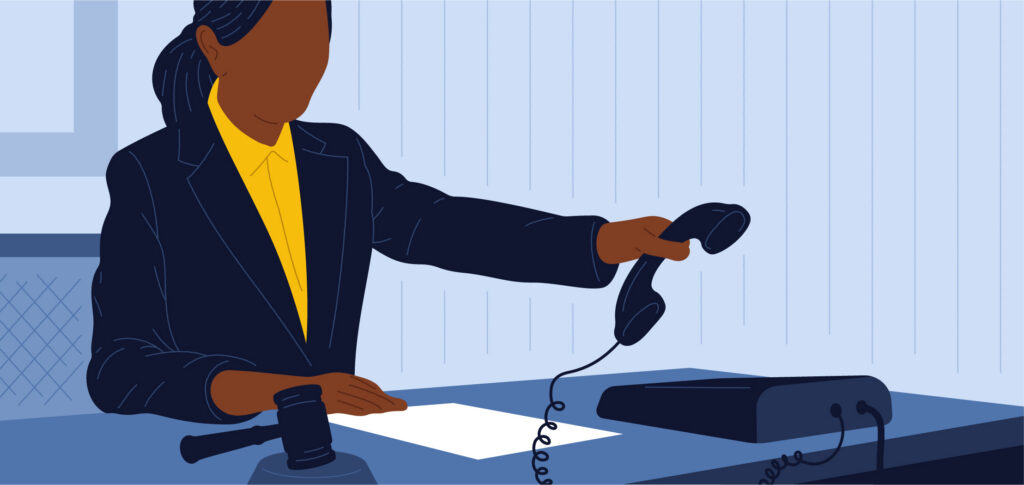
Legal representation can change the outcome of a Texas wheel-off claim.
That may sound obvious coming from a law firm, but it’s true for a simple reason. Insurance companies handle claims every day. Most injured people don’t. The adjuster knows the process, the paperwork, the tactics, and the pressure points. You’re trying to recover while learning the rules as you go.
That means you’re starting at a big disadvantage.
An experienced Texas wheel-off attorney can review the offer, look at the evidence, identify missing damages, and explain whether the number makes sense. They can also deal with the insurance company, so you aren’t stuck fielding calls while you’re hurt.
A lawyer can also help you avoid common settlement traps. Some of the main ones include signing a release too soon, giving a problematic recorded statement, accepting a check before you know your future treatment plan, or agreeing to a number that leaves out some of your losses.
Protect Your Rights Before Accepting a Texas Wheel Off Offer
The first Texas wheel-off settlement offer may be the beginning of the conversation. But it doesn’t have to end there.
You have the right to reject an unfair offer. You have the right to wait until your medical condition is clearer. You have the right to gather records, send a written counteroffer, and ask questions before signing anything.
Most Texas wheel-off cases settle without a trial. Rejecting the first offer doesn’t automatically send you to court. It often just tells the insurance company that you aren’t willing to accept a low-ball offer.
If the number doesn’t feel right, don’t let the adjuster talk you into accepting it.
Instead, reach out for legal advice. Grossman Law Offices has spent more than 35 years handling serious accident cases, including claims where insurance companies try to pay less than they should. If you’ve received a wheel-off settlement offer, contact Grossman Law Offices to discuss your options before signing an agreement.

 Lláma
Lláma  Correo
  Mensaje