

A wheel-off accident can leave you shaken and unsure of what to do next. When a tire or wheel comes loose, it can fly across the road, hit a vehicle, or force someone to swerve. It can turn a typical drive into a devastating accident in seconds.
After an accident, chances are, you’re focused on your car, your passengers, the police report, or getting out of traffic. It’s also normal to feel “fine” at first, only to wake up later with pain, stiffness, headaches, or anxiety. For these reasons, many people hold off on going to the doctor.
If you passed on medical care, you may wonder what will happen next. Is your case weakened? Do you even have a valid case? What should you expect?
We have the answers you need.
In this guide, we’ll explain what can happen if you put off medical care after a Texas wheel-off accident, why that delay can affect your claim, and how your case may still move forward.
Why Medical Care Matters After a Wheel-off Accident
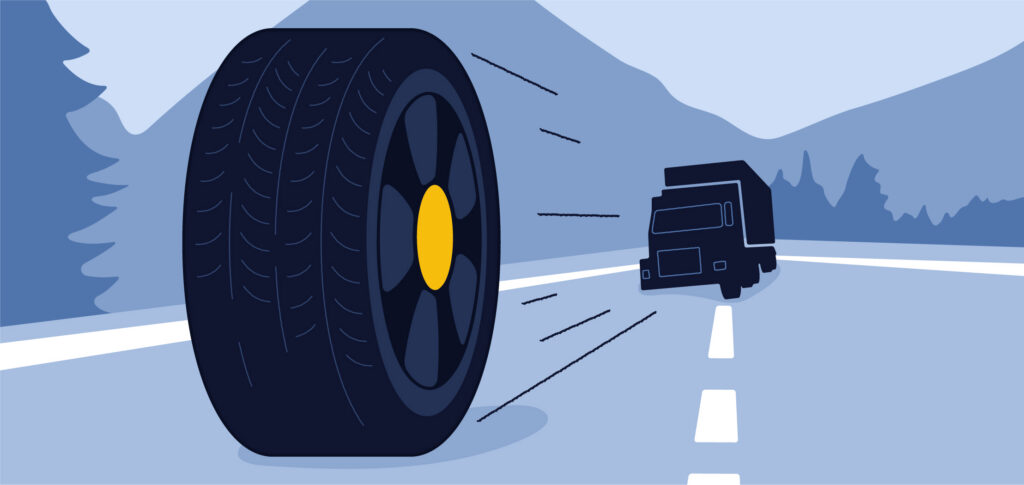
Medical care after a wheel-off accident is meant to protect your health first. A loose wheel can strike with violent force, and even a near miss can cause a serious crash if a driver swerves, brakes hard, or hits another vehicle.
Some injuries are easy to notice right away. Others take time. Shock and adrenaline can hide pain after a crash. You may feel alert at the scene, answer questions, and talk to the police without knowing you’re badly hurt.
Neck pain, back pain, shoulder pain, headaches, numbness, and dizziness can all develop after the initial rush wears off. Soft tissue injuries can worsen over the next day or two. A concussion may start with symptoms that seem mild, like a headache or trouble focusing.
When you seek medical care, it creates a written record of your injury. That record will show your symptoms, what you told the provider, what the doctor found, and what your treatment plan looked like. In a personal injury claim, those details can help connect your injuries to the wheel-off accident.
Without medical care, the insurance company has more room to argue. They may say, “If you were hurt, why didn’t you go to the doctor?” That argument ignores how real people act after crashes. Many people wait because they hope the pain will go away, they’re worried about medical bills, or they don’t realize how serious their injuries really are.
Still, waiting too long can give the other side an opening. If you haven’t seen a doctor yet and you have symptoms, get care now. There’s no way to erase the delay, but you can prevent it from getting longer.
Can You Still File a Claim After a Wheel-off Accident?
Yes, you may still be able to file a claim after a wheel-off accident, even if you didn’t get medical care right away.
A delayed doctor visit doesn’t mean you don’t have a case. The claim may still move forward if the evidence shows that the accident caused your injury and that another person or company may be responsible.
Wheel-off accidents often involve more than a simple driving mistake. A wheel can come loose because of loose lug nuts, poor repairs, skipped inspections, failed parts, or unsafe maintenance. When a truck or commercial vehicle is involved, maintenance records and inspection practices may become important.
The claim may involve the driver, vehicle owner, trucking company, repair shop, maintenance provider, or another party. In some cases, more than one party may be at fault. Wheels don’t come off without a reason. Someone may have missed a key step, ignored a warning sign, or otherwise failed to keep the vehicle safe.
Still, a medical delay can affect how the insurer views your case. The insurer may argue that your injuries were minor because you didn’t go to the emergency room. They may also claim you got hurt somewhere else. And if they ask for a recorded statement, they might push you to explain the delay in a way that helps them.
Be careful with that. A casual comment can get twisted. Saying “I thought I was okay at first” can become “they admitted they were fine.” That isn’t the same thing, but insurers often use loose wording against injured people.
A lawyer can help protect the claim by organizing the facts, gathering medical records, and looking into how the wheel came off. An attorney can also deal with the insurance company so you don’t have to.
If you waited to get care, your case may need stronger proof elsewhere.
How Does Delayed Care Affect a Wheel-off Accident Case?

When you wait to see a medical professional after a wheel-off accident, the insurance company notices it.
Let’s say a wheel came off a vehicle and hit your car. You were sore at the scene but didn’t go to the doctor. A few days later, your back pain got worse, so you went to urgent care. The insurer may point to those few days and claim that your back problem came from something other than the accident.
They may ask if you worked, lifted anything, exercised, had old pain, or were involved in another incident. They may dig through your medical history looking for anything they can use. Their goal is simple: create doubt.
The longer the delay, the harder the legal fight may become. A one-day or two-day delay is usually easier to explain than a delay of several weeks or months.
There can also be treatment gaps after you start care. If you see a doctor once and then stop going, the insurer might say you recovered or didn’t follow your doctor’s advice.
And if you miss appointments, that can also be used against you. People often miss appointments because of work, transportation, money, childcare, or scheduling problems. If you weren’t able to make it to an appointment, the reason should be clear. Your medical records can be used to help explain that gap.
Delayed care can also affect what your doctor can notate. A doctor who sees you right after the crash may be able to record bruising, swelling, limited movement, or early signs of a head injury. A provider who sees you later may have less information about how you were doing right after the accident.
Even so, getting care later on can help. Exams, imaging, therapy notes, prescriptions, specialist referrals, and consistent reports of symptoms can all support your claim.
When you go, be sure to explain what you experienced during the wheel-off accident. Describe the impact or the sudden swerve. Tell them when the pain started, where it is, and how it has changed. Don’t exaggerate, don’t guess, and don’t leave out symptoms because they seem minor.
Why Are Medical Records Important in a Wheel-off Accident?
Medical records are important because they help prove what happened to your body after the wheel-off accident.
Your own story is important, but an insurance company won’t simply take your word for it. They want records. They want dates, symptoms, test results, diagnoses, treatment plans, and doctor notes.
Medical records can show that you reported pain after the crash. They can show whether you had neck pain, back pain, headaches, numbness, anxiety, or other symptoms. They can also show whether your condition improved, got worse, or required more treatment.
Without records, the insurance company has an easier time pushing back. They can question whether you were hurt, how bad the injury was, and whether your current symptoms are based on fact.
Records prevent this.
Good medical records may include the accident history, your pain level, physical exam findings, imaging results, medication, work limits, therapy notes, and referrals. Each piece can help show the full impact of the accident.
What Symptoms Can Appear After a Wheel-off Accident?

A wheel-off accident can cause lots of symptoms. Some will appear right away, and others may develop hours or days later.
Neck and back pain are common after crashes. The impact can strain your muscles, irritate your nerves, or affect the discs in your spine. You may feel stiffness, sharp pain, burning pain, or pain that travels into your arms or legs.
Numbness and tingling should always be taken seriously. If your hands, fingers, feet, or legs feel weak, numb, or tingly, that may point to nerve issues. You should get medical care instead of waiting to see if it goes away.
Headaches can also show up after a wheel-off accident. A headache may come from stress, neck strain, or a blow to the head. It may also be a symptom of a concussion.
Watch for dizziness, nausea, confusion, light sensitivity, memory issues, mood changes, or trouble focusing. These symptoms can affect your work, sleep, driving, and daily routine.
You may also feel pain in your shoulders, chest, hips, knees, wrists, or face. Seat belts and airbags can prevent worse injuries, but they can still leave bruising, soreness, burns, or joint pain. Bracing before impact can strain parts of the body you didn’t notice at first.
Emotional symptoms are also common. A wheel-off accident can be frightening because it feels so sudden. Afterward, some people feel nervous near trucks, trailers, highways, or fast traffic. They may replay the crash in their mind, avoid driving, or have trouble sleeping.
That should be taken seriously, too. Fear, anxiety, and sleep problems can affect your health and your claim. Tell your doctor if those symptoms began after the crash.
We recommend seeking urgent help for serious symptoms like severe headaches, vomiting, confusion, chest pain, trouble breathing, weakness, worsening numbness, or loss of bladder or bowel control.
Contact Grossman Law Offices After a Wheel-off Accident
A wheel-off accident claim can get complicated fast, especially if you waited to see a doctor. The insurance company will do all they can to use that gap to their advantage.
But you don’t have to face them alone. An experienced lawyer can take over the claim, deal with the insurance company, and keep the focus on what happened to you.
For the past 35+ years, Grossman Law Offices has been handling serious injury cases, including wheel-off accidents. Our law firm fully understands how insurers attack victims who delay medical care. We also know how to build a claim with clear evidence, relevant records, and a strong timeline.
These cases require a more in-depth investigation than you might expect. The police report may not explain why the wheel came off. The real answer may be hidden in the maintenance records, inspection logs, repair work, driver conduct, company rules, or the condition of the vehicle itself.
On top of that, evidence can disappear quickly. Vehicles get repaired. Parts get thrown away. Records become harder to find. And witnesses forget what they saw. If a truck, trailer, or commercial vehicle was involved, it’s even more important to preserve the right evidence.
An experienced attorney can identify all of the responsible parties and gather the evidence you need to pursue fair compensation. They can also defend you when the insurance company tries to make your injuries or struggles seem less serious than they actually are.
You may not know who owned the vehicle, who last worked on it, or why the wheel came off. And you’re not expected to know all of that. When you hire a seasoned attorney, those questions will be part of your case investigation.
If you were hurt in a Texas wheel-off accident, speak with a lawyer before you accept the insurance company’s version of events. It’s the best way to protect yourself.
Want to learn more? Contact Grossman Law Offices to discuss your wheel-off accident and get clear guidance on your next steps.

 Lláma
Lláma  Correo
  Mensaje