

Getting a settlement offer after a work injury can feel like a huge relief. After weeks or months of uncertainty, the company is finally putting money on the table.
But that doesn’t automatically mean it’s a fair offer. Before you sign anything, it’s worth taking a closer look at what’s included, what may be missing, and what accepting the offer could mean for your future.
Below, we’ll explain how to review a non-subscriber settlement offer, spot red flags, estimate the value of your claim, and decide what to do if the insurance company comes in low.
Don’t Accept the First Non-Subscriber Settlement Offer
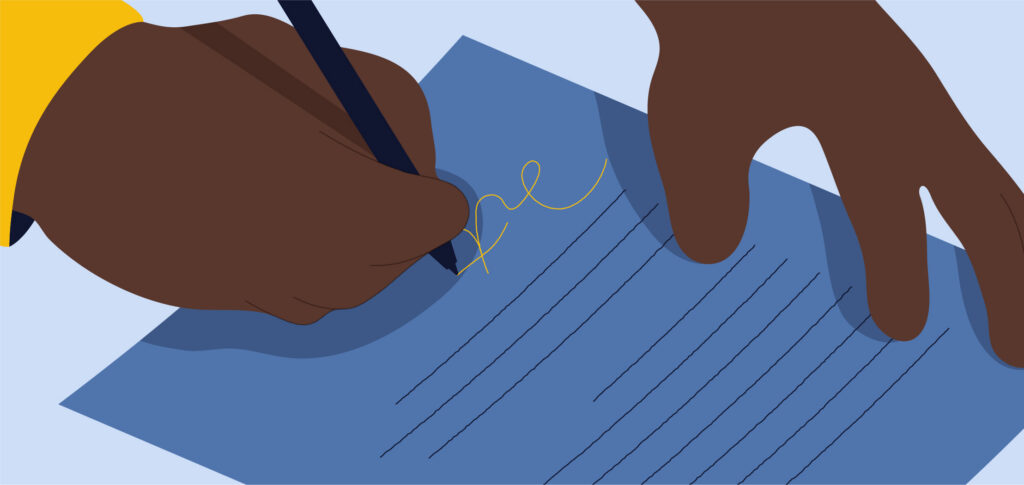
In general, you shouldn’t accept the first offer you receive. Think of that number as a starting point, not the highest amount the company may be willing to pay.
The other side wants to resolve the claim for as little as possible. They’re not concerned with making sure you receive fair compensation. Their goal is to protect themselves.
That’s why adjusters start with a low number. It gives them room to negotiate, and it allows them to see whether you’ll accept the offer without asking questions or pushing back. They know financial pressure can make a quick payout hard to turn down, and they use that knowledge to their advantage.
Some adjusters will try to rush the process. They may call often, set short deadlines, or tell you that the offer will go away if you don’t act fast. Others may make it sound like hiring a lawyer would slow the process down.
Don’t confuse that pressure with a real legal deadline. An adjuster can create a sense of urgency, but that doesn’t mean you have to act according to their schedule.
Once you accept the offer and sign the agreement, the case is usually over. You may not be able to get more money later, even if your injury worsens or ends up costing you more than you thought it would.
For that reason, it’s critical to take a close look at the offer before agreeing to anything. If it doesn’t fully reflect your losses, speak with a non-subscriber lawyer so you can fight for more.
What Red Flags Mean You Should Reject the Offer?
First off, consider timing. If the offer shows up while you’re still in treatment, you should reject it. At that point, you may not know how the injury will affect you or what treatment you’ll need in the future.
An offer that only covers your current bills can leave you paying the rest yourself. Surgery, injections, therapy, medication, follow-up visits, and medical equipment can get expensive fast.
You should also look closely at how the offer handles lost wages. It shouldn’t just cover the checks you’ve already missed. If the injury keeps you from going back to the same job or earning the same pay, that loss needs to be included too.
And don’t let them throw in a small amount for pain and suffering and act like that settles it. A serious injury can affect how you sleep, move, work, spend time with your family, and live your daily life. If the offer barely accounts for any of that, it’s likely too low.
What Is Maximum Medical Improvement, and Why Does It Matter?

Maximum medical improvement, or MMI, is the point when your doctors believe your condition has improved as much as it’s going to. You may still need care after that point, but your doctors should have a clearer picture of your long-term condition. That includes whether you’ll deal with lasting pain, permanent restrictions, or job issues.
Before you reach MMI, some of those problems may still be hard to predict.
That’s why settling early can backfire. If you later need surgery or learn that the injury will keep you from doing your job, you usually can’t reopen the case and ask for more money.
You don’t always have to reach MMI before discussing settlement. But you shouldn’t agree to a final amount until your doctors can give you a reliable picture of your recovery and future care.
What Damages Should the Settlement Offer Cover?
A proper settlement review should account for every loss tied to your work injury. Some damages come with receipts and pay records. Others don’t. But that doesn’t make them any less real.
Economic Damages: Medical Expenses and Lost Wages
Add up all of the medical care tied to your injury. That includes emergency treatment, hospital stays, doctor visits, imaging, therapy, prescriptions, braces, mobility aids, and anything else you needed.
Don’t just look at the balance you still owe. Even if you don’t owe the full amount anymore, the bills still show the treatment you needed and how much it cost.
Then calculate the income you’ve lost. Use pay stubs, tax records, work schedules, and employer statements to show what you were earning before the injury and how much income you lost afterward. That should include regular overtime, bonuses, and any other extra pay you can prove.
Future medical costs can be harder to figure out because you haven’t received that care yet. Ask your doctor what treatment you may need, then use those recommendations to estimate what it could cost.
Non-Economic Damages and Future Earning Capacity
Pain and suffering doesn’t come with a bill, so you have to show how the injury has affected your life. Be specific about how often you’re in pain, which movements make it worse, and what you can’t do on your own anymore.
That may include trouble sleeping, driving, caring for your children, exercising, keeping up with housework, or enjoying the things you used to do. Writing those changes down can help because it’s easy to forget the details as time passes.
You also need to consider whether the injury will hurt your ability to earn money in the future. That’s different from the paychecks you’ve already missed. Your age, education, work experience, job skills, and medical restrictions can all affect how much income you may lose over time.
But don’t pull a number out of nowhere. Use medical restrictions, employment records, and other evidence to show how the injury could reduce your future earnings. A vocational expert can then explain what those limits may mean for your ability to work.
Most people don’t know how to put all of these losses into a settlement demand, and they shouldn’t have to. An experienced non-subscriber lawyer can gather the right records, work with your doctors and other experts when needed, and calculate a value that reflects the full impact of your injury instead of just the bills sitting on your kitchen table.
What Happens If You Reject the Offer?

Rejecting an offer doesn’t mean you walk away with nothing. It means the claim remains unresolved and the work continues.
From there, your lawyer may dig deeper into what happened. That can mean collecting safety rules, training records, maintenance logs, incident reports, video, photos, witness statements, and other proof showing how the employer caused the accident. Your medical condition and financial losses should also continue to be documented as the case moves forward.
You and your employer may later end up in mediation or another settlement meeting. A neutral mediator can help move the talks along, but they can’t make you take a deal you don’t want.
If the other side still won’t make a fair offer, you may need to file a lawsuit.
Note: In Texas, personal injury claims have a two-year deadline, and settlement talks don’t stop that clock. Even if you’re in extended negotiations, waiting too long could cost you the right to file a lawsuit.
Contacto Grossman Law Offices Hoy
Still feeling unsure about your non-subscriber settlement offer? Have an experienced non-subscriber lawyer review it so you know what it covers, what it leaves out, and whether it’s worth accepting.
Grossman Law Offices has spent more than 35 years fighting for injured Texans. We know how non-subscriber employers, benefit plans, and insurance companies try to limit payouts.
Our team can review the settlement offer, investigate how the accident happened, calculate your losses, and explain whether the proposed amount reflects the strength of your case. We’re available 24/7, and consultations are free.
We handle personal injury cases on a contingency fee basis. That means you won’t pay unless you win.
Grossman Law Offices has won thousands of cases and recovered millions of dollars for injured workers. We know how to take on non-subscriber employers and fight for the compensation our clients deserve.
You don’t have to guess whether the first offer is fair or let an adjuster pressure you into a decision. Call Grossman Law Offices today to schedule a free consultation and get clear answers about your next step.

 Lláma
Lláma  Correo
  Mensaje