
Victoria, TX — December 27, 2024, nine people were injured in a truck accident at about 7:30 a.m. on U.S. Route 77.
Authorities said a bus transporting U.S. Immigration and Customs Enforcement detainees was struck from behind by a semi-truck as it was trying to turn around south of Victoria. The truck jackknifed after the collision.
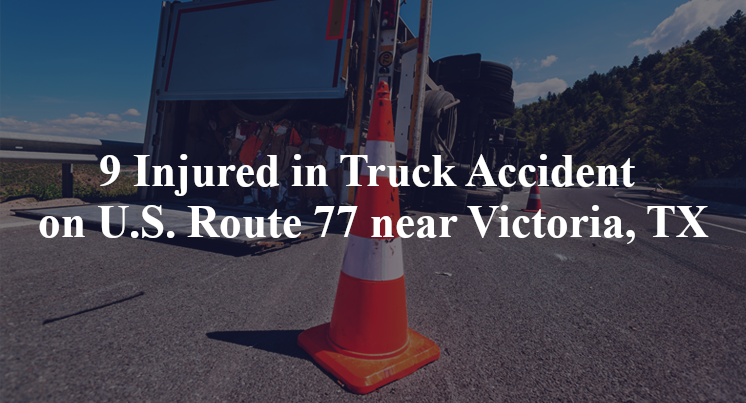
Nine of the 19 immigration detainees on the bus were injured in the crash, according to authorities. They were transported to local hospitals for treatment.
Authorities did not mention injuries to the other detainees, three guards from the GEO Group or the truck driver.
No further information about the crash has been released at this time.
The crash remains under investigation.
Commentary by Attorney Michael Grossman
The first thing I about when I read about a crash like this is what circumstances led to such a collision. Rear-end crashes may seem straightforward at first glance, but in my experience, they’re often far more complicated than people assume.
One critical question here is why the semi-truck couldn’t avoid hitting the bus. Was the bus’s turn-around maneuver sudden or poorly executed? Did it occur in a location where other drivers, particularly the truck driver, wouldn’t have enough time to react? A large vehicle like a bus making such a maneuver requires ample warning to other traffic, especially on a highway where semi-trucks can take much longer to slow down or stop.
On the other hand, the truck driver’s actions must also come under scrutiny. Was the driver following too closely or distracted at the time? Distracted driving — whether due to cell phone use, fatigue or other factors — remains a leading cause of rear-end collisions, particularly with large trucks. Investigators will need to examine data from the truck’s black box, any in-cab cameras and the driver’s hours-of-service logs to rule out negligence.
Another aspect worth investigating is the bus itself. Was it clearly marked and equipped with proper lighting to signal its intentions? If there were mechanical issues or a lack of clear signals, that could shift some responsibility for the crash. Similarly, the role of the guards and bus operator should be examined: did their training and company policies prioritize safety during complex maneuvers like a highway turnaround?
Finally, the jackknifing of the truck after impact raises questions about its load and condition. Improperly secured cargo or mechanical failures like faulty brakes could have amplified the severity of the crash. Reviewing the trucking company’s maintenance and inspection records will be crucial in identifying whether these factors contributed.
Crashes like this aren’t just about two vehicles coming together: they’re the result of decisions made by drivers, companies and even regulators. Determining accountability here will require a thorough investigation of the truck, the bus and the environment in which the crash occurred. Only then can we understand what happened and work to prevent similar incidents in the future.

 call us
  Email Us
  Text us