
Tysons, VA — July 1, 2025, injuries were reported in a truck accident at about 9:20 a.m. on northbound Interstate 495/Capital Beltway.
Authorities said a semi-truck, two sedans and another truck were involved in a collision north of Leesburg Pike.
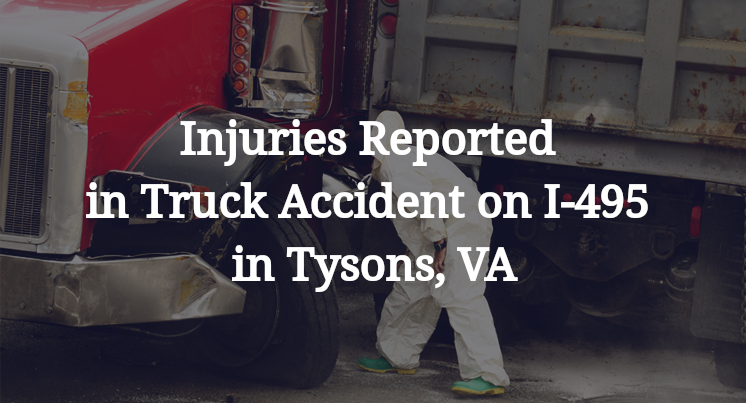
Scanner traffic indicated as many as five people were injured in the crash, which shut down all northbound lanes for a time.
Authorities have not released any additional information about the Fairfax County crash at this time. The accident is still being investigated.
Commentary by Attorney Michael Grossman
When people read that a crash shut down all northbound lanes of I-495 and left multiple people injured, their first thought is often: “How could something like this happen?” With at least four vehicles involve, including two trucks, those questions only get more urgent. Was someone not paying attention? Did a mechanical issue play a role? Could this have been prevented?
Right now, there’s very little public information about how this crash unfolded. We know there were two trucks and two sedans involved, but that leaves open a host of unanswered questions. For example, did one of the trucks strike the others, or was one of the passenger vehicles the initial cause? Did any vehicle cross into another lane without warning? Until we have that clarity, it’s impossible to say who, if anyone, is at fault.
That’s where a serious investigation becomes essential. The vehicles involved, especially the two trucks, should be examined for electronic data. Most commercial trucks today carry an engine control module, or “black box,” which can show things like vehicle speed, braking and whether the driver tried to avoid the crash. In-cab cameras, if installed, can offer direct insight into the driver’s actions just before impact. And cell phone records might show whether distraction was a factor.
But this kind of crash also raises another layer of concern: What role did the companies behind the trucks play? We don’t yet know who owned or operated the trucks in question, but it’s worth asking whether their hiring, training and supervision policies contributed to what happened. I’ve handled cases where a driver’s poor judgment at the wheel was just the final link in a much longer chain of preventable mistakes by the company that put them there in the first place.
It’s also unclear whether the cargo played any part in the collision. If a load shifted or wasn’t secured properly, that could have created or worsened the danger; something that needs to be ruled in or out as soon as possible.
In short, no one can determine who’s responsible until someone thoroughly analyzes the available evidence. That means pulling data, interviewing witnesses, inspecting all vehicles involved and understanding the logistics behind the trucks. Without that kind of in-depth investigation, it’s just guesswork.
Key Takeaways:
- It’s not yet clear how the crash began or which vehicle first set events in motion.
- Black box data, in-cab cameras and driver cell phone records can shed critical light on what happened.
- The role of the trucking companies, especially regarding hiring and oversight, should be examined.
- Potential cargo issues (like load shift or improper securing) must also be considered.
- A thorough, independent investigation is the only way to determine who’s actually responsible.

 call us
  Email Us
  Text us