
South Jacksonville, IL — December 9, 2024, one person was injured in a truck accident about 7 p.m. on Interstate 72.
Authorities said a Ford SUV was traveling east on Interstate 72 crashed into the back of a semi-truck near the exit for U.S. 67.
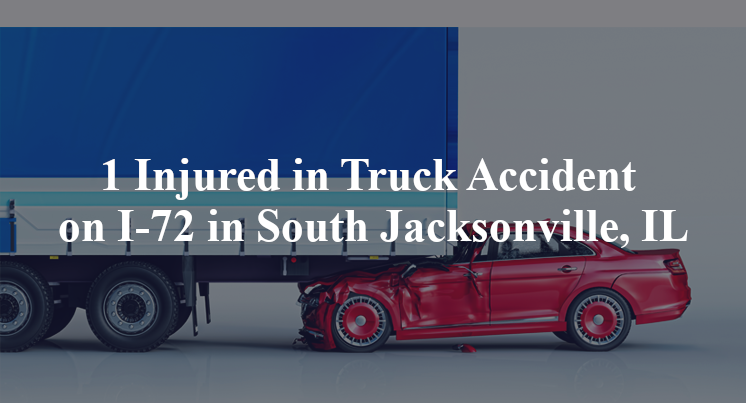
The impact caused the Ford to become wedged under the back end of the trailer, according to authorities.
The driver, who has not been identified at this point, was flown to an area hospital with unspecified injuries, authorities said.
No other injuries have been reported at this point.
Authorities have not released any additional details about the crash.
The accident is still under investigation.
Commentary by Attorney Michael Grossman
A crash like this, involving an SUV colliding with the back of a semi-truck, often leads people to assume the fault lies with the driver of the smaller vehicle. However, my experience litigating truck accident cases tells me it’s rarely that simple. Let’s take a closer look at the key elements.
Underride Crashes and Truck Safety
The fact that the SUV became wedged under the back of the trailer suggests this was an underride collision. These crashes are among the most dangerous for occupants of passenger vehicles because the trailer can intrude into the car’s passenger compartment, leading to severe injuries or fatalities. The effectiveness of the semi-truck’s underride guard—a federally required safety feature designed to prevent such outcomes—should be a focal point of the investigation.
Visibility Issues
One of the first questions in cases like this is whether the truck was clearly visible. Poor lighting on the rear of the trailer, missing or non-reflective tape, or faulty taillights could all contribute to a driver failing to see the truck in time.
The Truck’s Position and Movement
Where and how the truck was positioned at the time of the crash is crucial. Was the truck slowing down to exit, or was it stopped on the roadway? If it was stopped, was it due to a mechanical issue, and did the driver activate emergency flashers and deploy warning triangles as required by federal regulations? Poor compliance with these safety measures has been a factor in many similar crashes.
Maintenance and Equipment Failures
Investigators should examine the truck’s condition. Was it properly maintained, and were all required safety features functional? For example, a malfunctioning brake system or faulty lights could contribute to a crash. Trucking companies have a legal responsibility to ensure their vehicles are roadworthy, and failing to meet these obligations can have devastating consequences.
These details are always important to consider, yet I’ve seen far too many examples where authorities moved on without so much as a second thought for these possible factors. That’s usually why serious commecial truck wrecks fare better in the hands of independent investigators. Either they can confirm authorities did a good job and investigated the crash thoroughly, or they can catch important details authorities let slip through the cracks. Either way, it’s important for victims and their loved ones to know the accident got the attention it deserved.

 call us
  Email Us
  Text us