

Mechanicsville, VA — August 15, 2025, one person was injured due to a truck accident at approximately 2:00 p.m. along Interstate Highway 295.
According to authorities, the accident took place on I.H. 295 in the vicinity of I.H. 95.
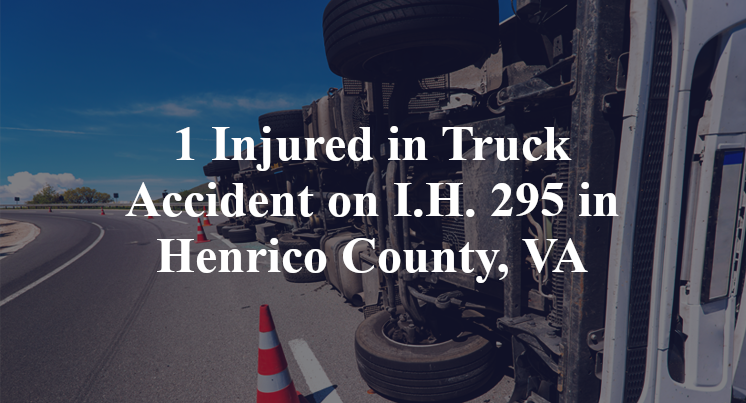
Officials indicate that, for as yet unknown reasons, a collision took place between the front-end of the truck and the left-rear of a Tesla sedan. The impact apparently led to a loss of control on the part of the 18-wheeler; it allegedly crashed into a guardrail, collided with some trees, and caught on fire.
The person who had been behind the wheel of the truck reportedly sustained injuries of unknown severity—thought they were not described as life-threatening—and was transported to a local medical facility by EMS in order to receive necessary treatment. Additional details pertaining to this incident—including the identity of the victim—are not available at this point in time. The investigation is currently ongoing.
Commentary by Attorney Michael Grossman
When a crash starts with the front of an 18-wheeler striking the rear of a passenger car, the key question is straightforward: why didn’t the truck avoid the collision? Rear-end impacts are usually preventable if a truck driver is alert, leaving proper distance, and operating well-maintained equipment. The fact that this impact then caused the truck to lose control, crash, and catch fire only underscores how one moment can set off a chain of consequences.
The unknowns here matter. Was the Tesla slowing or stopping abruptly? Was the truck following too closely for highway conditions? Did the driver fail to notice traffic ahead because of distraction or fatigue? The answers are in the evidence: the truck’s engine control module (ECM) can show speed, throttle, and brake inputs at the time of impact. In-cab video could reveal whether the driver was looking forward or diverted by something else. Cell phone records can confirm or rule out device use.
The fire raises another layer of concern. Investigators should look closely at whether the truck’s fuel system, electrical system, or cargo contributed to the blaze, and whether maintenance or inspection lapses made the truck more vulnerable. I’ve handled cases where inadequate maintenance on fuel lines or electrical wiring made post-impact fires far more likely.
Even if the crash stemmed from driver error alone, company oversight can’t be overlooked. Was this driver properly trained on maintaining following distance at highway speeds? Was he under pressure to keep up with a delivery schedule that encouraged unsafe driving habits? Certain pressures from the employer can be just as significant as the driver’s momentary decisions.
Until investigators piece together ECM data, maintenance history, and company policies, it’s too early to assume this was just “a truck hit a car.” The real story depends on the chain of decisions and conditions that allowed the impact—and the fire—to happen.
Key Takeaways
- The central issue is why the truck struck the Tesla’s rear; distraction, fatigue, or following distance are all possibilities.
- ECM data, in-cab video, and phone records are key to understanding the driver’s actions.
- The fire points to possible equipment or maintenance issues that should be scrutinized.
- Company oversight of training, scheduling, and inspections may have contributed to unsafe conditions.
- A thorough investigation is required to move past assumptions and identify all responsible factors.
 call us
  Email Us
  Text us