

Chicago, IL — January 31, 2025, one person was killed in a truck accident at about 12:20 a.m. in the 1700 block of East 103rd Street.
Authorities said an eastbound sedan crashed into the back end of a semi-truck near Doty Avenue.
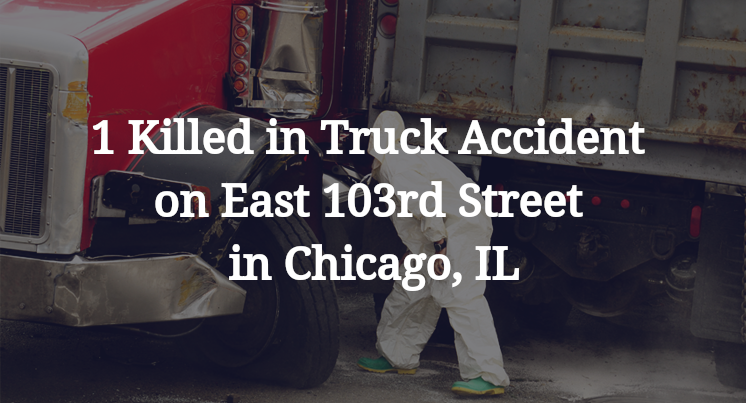
The sedan driver, whose name has not been made public at this time, died at the scene of the crash, according to authorities. The truck driver was not injured.
Authorities have not released any additional information about the crash at this point. The accident remains under investigation.
Commentary by Attorney Michael Grossman
When I see a report of a passenger vehicle rear-ending a semi-truck, I know most people will assume the smaller vehicle’s driver was at fault. That’s an understandable reaction, but in my experience, these crashes often raise more questions than they answer. Without a thorough investigation, it’s impossible to know if this was just driver error or if there were factors that made this crash unavoidable.
One of the biggest questions in a rear-end truck crash is whether the truck was visible. People tend to think that semi-trucks are too big to miss, but I’ve handled cases where poor lighting, a lack of reflective tape or a trailer without proper underride guards made the back of a truck nearly invisible at night. If a truck lacks these basic safety features, an approaching driver may not see it in time to react. That’s why federal regulations require trailers to have reflective markings and working lights: because a dark, unmarked trailer at night is a serious hazard.
Another key factor is where the truck was at the time of impact. If the truck was legally moving in traffic, that’s one thing. But if it was stopped or creeping along at low speeds in an active lane, that changes the dynamic entirely. I’ve seen cases where truck drivers stopped unexpectedly, were moving too slowly for conditions or even backed up in the roadway, creating a deadly situation for approaching drivers.
Given that this crash happened just after midnight, fatigue and impairment also need to be considered, for both drivers. Was the truck driver alert and following proper procedures? These are questions that can only be answered with evidence like toxicology reports, dashcam footage and data from the truck’s engine control module (ECM), which can show speed and braking patterns leading up to the crash.
At this stage, we don’t have enough information to say who is at fault. But I know from experience that assuming the rear driver is always to blame is a mistake. The only way to get to the truth is with a full investigation that goes beyond the crash scene. If authorities don’t take that step, they may overlook critical details that explain what really happened here.
 call us
  Email Us
  Text us