
Alvord, TX — April 29, 2025, two people were injured in a truck accident at about 5:35 p.m. on U.S. Route 287 near Farm Road 1655.
Authorities said a semi-truck loaded with about $800,000 worth of dimes was headed south when it overcorrected after veering off the road and overturned. The crash spilled millions of coins along the road.
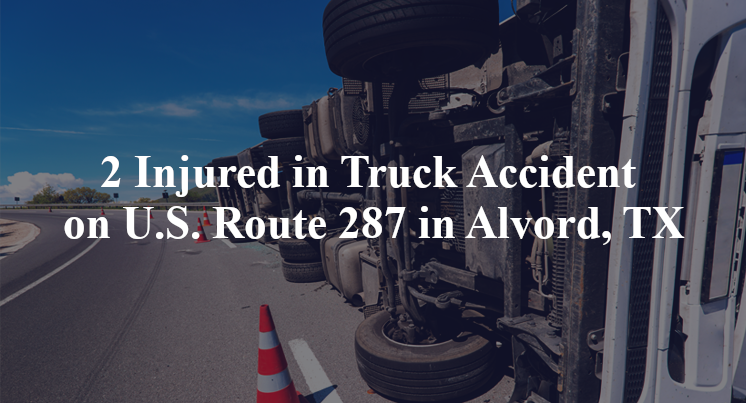
The truck driver and a passenger were hospitalized with non-life-threatening injuries after the crash, according to authorities.
The highway reportedly was closed for about 14 hours as crews gathered the dimes, using a vacuum-equipped truck, street sweepers and digging through the dirt by hand.
Authorities have not released any additional information about the Wise County crash at this time.
Commentary by Attorney Michael Grossman
Any time a semi-truck overturns after veering off the highway, it raises a serious question: why did the driver lose control in the first place, and could the crash have been prevented with more attentive or disciplined operation? That question doesn’t change just because the cargo, millions of dimes in this case, grabs headlines. Whether a truck is hauling coins or concrete, the legal standards for safe driving remain the same.
Overcorrection is a textbook cause of truck rollovers. It usually happens when a driver briefly leaves the roadway and then jerks the wheel in an effort to return to the lane. In a passenger car, that’s risky. In a fully loaded semi-truck, it’s a recipe for disaster. Trucks simply aren’t built to recover from sudden steering movements at highway speeds, especially not with an uneven load, narrow shoulders or soft ground at the roadside. The law expects commercial drivers to know this and to operate accordingly.
That means staying alert, avoiding drift and, critically, maintaining control even when a wheel does drop off the pavement. If a driver panics or reacts too aggressively, it shows a lapse in training or judgment. And when the result is an overturned truck, injured occupants and a 14-hour road closure to recover thousands of pounds in spilled cargo, that lapse becomes more than a personal mistake. It becomes a matter of public safety.
This crash also highlights how important proper cargo handling is, even with something as seemingly benign as currency. A load of coins is incredibly heavy, and how it’s packed and secured can affect the vehicle’s center of gravity. If the load shifted or wasn’t balanced correctly, that could have contributed to the rollover once the truck began to tip. That’s another area where investigators will need to dig in: Was the cargo properly secured? Did the trailer meet the required weight distribution standards? Was the driver informed of how the load would affect handling?
In the end, the real story here isn’t about spilled money. It’s about whether the driver of a commercial vehicle was operating safely and responsibly. Because behind every unusual cargo is the same set of obligations: keep the vehicle on the road, manage risk and avoid decisions that turn a minor drift into a major crash. If those expectations weren’t met, the cleanup isn’t just about gathering dimes. It’s about examining every step that led to a rollover that never should have happened.

 call us
  Email Us
  Text us