
Corpus Christi, TX — June 9, 2025, One person was killed following a motorcycle accident that occurred at around 2:30 A.M. on Hwy. 358.
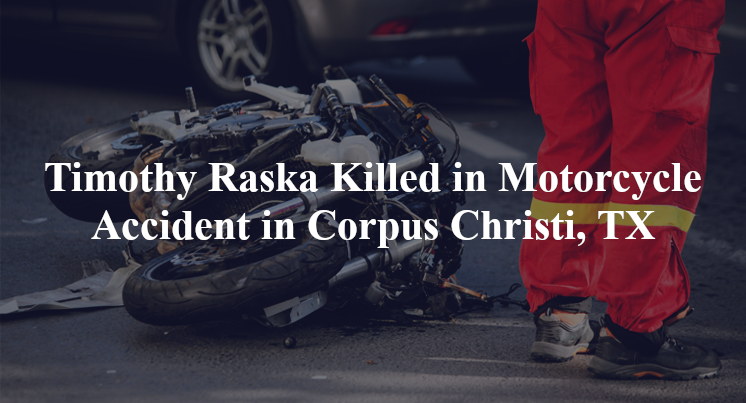
According to official statements, a motorcycle operated by Timothy Raska was traveling on Highway 358 near Bear Lane when it was involved in a collision, however at this time further details of how the crashed occurred are not available.
When first responders arrived on the scene they found that Raska was fatally injured and pronounced him deceased, and it is unclear if any other vehicle were involved.
Commentary by Attorney Michael Grossman
Whenever a motorcycle crash ends in fatal injury, and the surrounding details remain unclear, it raises questions that can’t be answered by first impressions alone. Motorcycles leave fewer marks, and their smaller footprint at a crash site can make essential clues harder to detect unless the investigation digs deep.
1. Did the authorities thoroughly investigate the crash?
When responders arrive to a scene where the cause isn’t immediately obvious, the quality of the crash investigation becomes critical. Was the motorcycle’s path reconstructed to determine speed, lean angle, or last-known maneuvers? Did officers examine the road for any signs of another vehicle—such as tire tracks, paint transfers, or nearby debris—that might suggest another party was involved? With limited initial information, investigators need to go beyond routine procedures and consider a broader range of possibilities. That kind of work requires time, training, and specialized experience not every department may bring to a single-vehicle crash.
2. Has anyone looked into the possibility that a vehicle defect caused the crash?
Motorcycles are sensitive to even minor mechanical failures. A stuck throttle, faulty brake, or tire blowout can have immediate, catastrophic consequences. Especially when no other vehicle is confirmed, it’s vital that the bike itself be inspected thoroughly for any defect that could explain the crash. If that step is skipped or delayed, important physical evidence—especially involving electronic systems—can be lost or overlooked.
3. Has all the electronic data relating to the crash been collected?
Though not every motorcycle carries the same level of onboard telemetry as cars, many modern models do store limited ride data. Investigators should look at what was recorded—speed, throttle input, GPS location—and whether any aftermarket devices, like ride trackers or helmet cams, were in use. Surveillance cameras on nearby roads may also help confirm whether another vehicle was present or involved. Without that digital trail, critical context about the moments before impact can be lost permanently.
When the facts are scarce and outcomes severe, it becomes even more important to pursue every lead. A full understanding depends not just on what’s immediately seen, but on what someone was willing to look harder for.
Takeaways:
- Motorcycle crashes need detailed scene work to rule out the presence of other vehicles.
- Mechanical inspections are critical, even when a crash seems to involve only one rider.
- Digital and video records may hold the only clues to what led to the incident.

 call us
  Email Us
  Text us