
Tarrant County, TX — February 7, 2025, a teenage man was injured in a single-vehicle motorcycle accident at approximately 11:15 p.m. along Plaza Place.
According to authorities, a 17-year-old man from Colleyville was traveling on a Kawasaki motorcycle on Plaza Place in the vicinity of the Grand Avenue intersection when the accident took place.
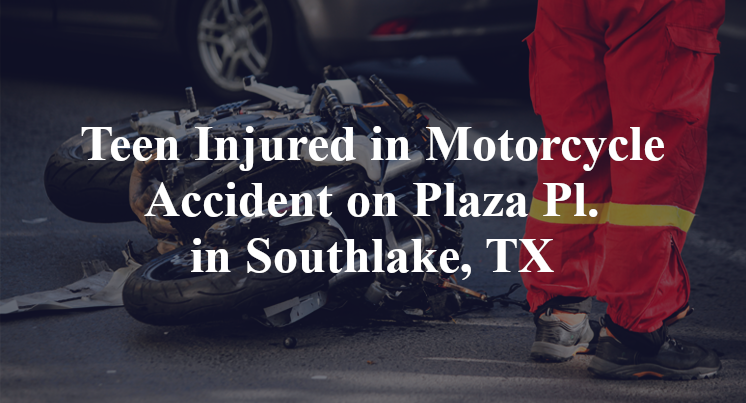
The cause of the accident remains unclear. Officials indicate that, for reasons yet to be confirmed, the motorcycle failed to appropriately control its speed. It was subsequently involved in a single-vehicle collision in which it apparently crashed into a building. The teen reportedly suffered serious injuries due to the wreck. Additional details pertaining to this incident are not available at this point in time. The investigation is currently ongoing.
Commentary by Attorney Michael Grossman
When I read about a crash like the one that left a 17-year-old motorcyclist seriously injured, I know that many people will assume it was simply a case of excessive speed or rider inexperience. While those are certainly possibilities, my experience has shown me that single-vehicle motorcycle crashes—especially those involving sudden loss of control—are often more complex than they first appear. Instead of making assumptions, it’s important to ask the right questions to ensure that all possible contributing factors are explored. To that end, there are three critical questions that need to be considered.
First, did the authorities conduct a thorough investigation? When a motorcycle crashes into a stationary object, investigators should determine whether external factors played a role. Did law enforcement examine the roadway for hazards such as loose gravel, uneven pavement, or poor lighting? Did they collect statements from any available witnesses? Were there indications that another vehicle’s actions contributed to the crash but left the scene? The quality of the investigation will determine whether all possible explanations are explored or if key details are overlooked.
Second, has anyone looked into whether a mechanical issue contributed to the crash? A sudden inability to maintain control can sometimes be linked to a mechanical failure rather than rider error. Issues with braking, steering, or suspension could make it difficult to maneuver safely. Additionally, tire blowouts or stability control malfunctions can be especially dangerous for motorcycles, increasing the risk of losing control and crashing. Unfortunately, these factors are rarely investigated unless someone specifically requests a forensic inspection of the motorcycle. If the bike is quickly repaired or scrapped, any evidence of a defect may be lost before it can be analyzed.
Lastly, have investigators gathered all available electronic data? While motorcycles don’t always have the same kind of event data recorders (EDRs) as passenger vehicles, some models do record certain performance metrics. Additionally, if the rider was using a helmet camera or if any nearby businesses or traffic cameras recorded the crash, that footage could provide valuable context. If this evidence isn’t secured quickly, it may become unavailable, making it harder to determine the full circumstances of the accident.
At the end of the day, answering these questions could be essential to understanding what really happened and why. A thorough examination of all three of these issues—including the quality of police investigations, possible mechanical failures, and available electronic data—is the least that can be done to ensure that those affected by the crash receive the clarity they deserve.

 call us
  Email Us
  Text us