
Oklahoma City, OK — July 25, 2025, two people were injured in a single-vehicle truck accident at approximately 5:00 a.m. along Interstate Highway 35.
According to authorities, two people were traveling in an 18-wheeler in the vicinity of the I.H. 35 and I.H. 44 junction when the accident took place.
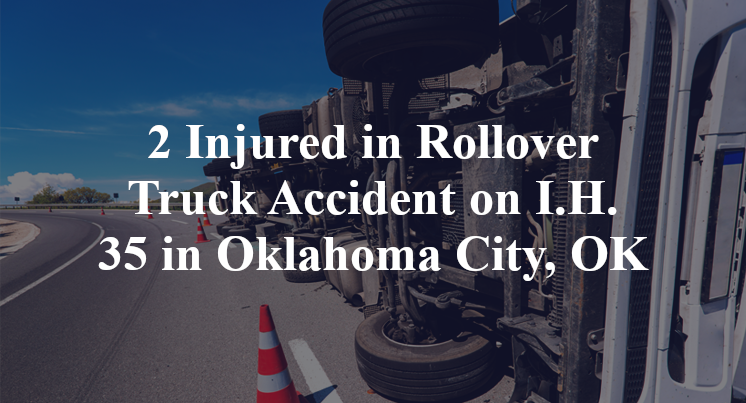
Details surrounding the accident remain scarce. Officials indicate that, for as yet unknown reasons, the truck was involved in a single-vehicle collision in which it apparently overturned. The two occupants of the truck reportedly sustained critical injuries over the course of the accident; they were each transported to local medical facilities by EMS in order to receive necessary treatment. Additional information pertaining to this incident—including the identities of the victims—is not available at this point in time. The investigation is currently ongoing.
Commentary by Attorney Michael Grossman
When an 18-wheeler overturns on a major interstate in the early morning hours, the key question isn’t just what caused the rollover, but what kind of system failure allowed it to happen? A single-vehicle crash involving a commercial truck almost always points to some breakdown in equipment, judgment, or operating conditions—and those issues can be difficult to untangle without looking beneath the surface.
At 5:00 a.m., driver alertness has to be considered. Were the occupants nearing the end of a long overnight shift? Had they just started driving and were still shaking off early-morning fatigue? Fatigue-related crashes often don’t leave obvious signs at the scene, which is why reviewing hours-of-service logs, dispatch records, and in-cab video is so important.
Beyond fatigue, the physical condition of the truck and the road need scrutiny. Was the vehicle loaded properly? An unbalanced or shifting load—especially in curves or on exit ramps—can easily cause a trailer to tip, even at moderate speeds. Investigators will also want to inspect the tires, brakes, and suspension system to rule out any mechanical defect that could have contributed to the loss of control.
Another factor is road design. The I-35/I-44 junction is a busy interchange with multiple lanes and traffic movements. If the truck was navigating a merge, ramp, or curve when it overturned, then signage, lane striping, and surface conditions all need to be examined. In similar cases, drivers have been caught off guard by sudden lane shifts or poorly marked transitions—especially in construction zones or areas under maintenance.
Ultimately, a single-vehicle crash doesn’t mean no one is responsible. It just means the answers won’t come from another driver’s statement—they’ll come from a careful review of the vehicle, the route, and the circumstances leading up to the wreck.
Key Takeaways:
- The cause of the truck rollover remains unclear, but fatigue, mechanical failure, and load stability are likely areas of focus.
- Early-morning timing raises questions about alertness and driving schedules.
- Improper loading or suspension issues could have contributed to a loss of control.
- Interchange design and road conditions—particularly curves, merges, or signage—should also be examined.
- A thorough investigation requires data from the truck’s ECM, inspection records, and driver activity logs.

 call us
  Email Us
  Text us