
Old Fort, NC — June 17, 2025, Ralph Hibbert was killed in a truck accident at about 10:15 a.m. in the 500 block of Bat Cave Road.
Authorities said a dump truck apparently lost its brakes on a steep descent on Interstate 40. It crashed into a building under construction on Bat Cave Road after exiting the highway.
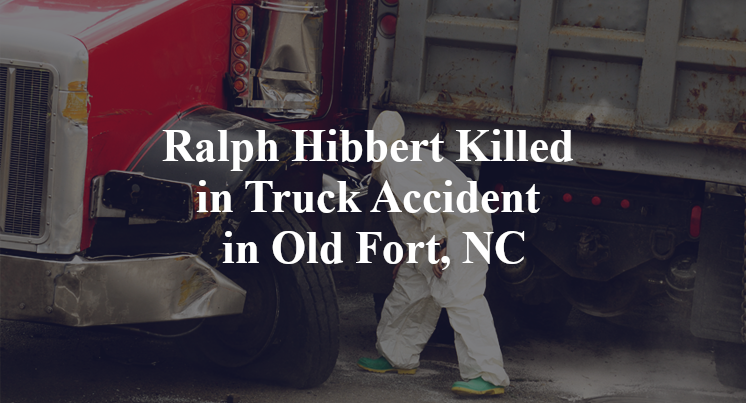
Truck driver Ralph Hibbert, 65, died in the crash, according to authorities.
Authorities have not released any additional information about the McDowell County crash at this time. The accident is still under investigation.
Commentary by Attorney Michael Grossman
When people hear that a dump truck “lost its brakes” and crashed into a building, their first reaction is often to accept that explanation at face value. But from experience, I can tell you that “the brakes failed” is just the beginning of the story, not the end.
The key question here isn’t just what happened, but why it happened. Dump trucks don’t just careen off highways and slam into buildings without a series of events or oversights leading up to that point. Saying the brakes went out on a steep hill may sound like an open-and-shut case of mechanical failure, but there’s far more that needs to be looked into before we can begin to understand where responsibility lies.
In a case like this, a thorough investigation should focus on verifiable evidence: the truck’s black box (engine control module), brake maintenance records, driver logs and any in-cab camera footage, if the truck had it. Did the brakes actually fail, or were they already in poor condition due to missed inspections or improper maintenance? That’s something only records and data can show.
It’s also important to consider how steep the descent was and whether the driver took proper precautions. For example, was he using the correct gear for a downhill run? Did he attempt to use engine braking, or was he relying too heavily on the service brakes? That distinction can tell you whether the problem was truly mechanical or more about how the truck was operated.
Then there’s the role of the trucking company. Did they have protocols in place to ensure their trucks were safe to operate in mountainous terrain? Were they cutting corners on maintenance or pushing aging equipment beyond its limits? I’ve worked on cases where trucks were run with known brake issues because pulling them off the road would cut into profits. That kind of decision-making puts everyone at risk.
It’s not clear from the initial reports who owned the dump truck or whether it was part of a commercial fleet, a municipal operation, or privately contracted work. But regardless of who owned it, someone was responsible for ensuring that vehicle was roadworthy. That accountability doesn’t disappear just because a driver lost control on a hill.
Right now, we don’t even know if the truck was loaded at the time or returning empty; something that would significantly affect how its brakes responded on a downhill grade. Nor do we know whether the driver attempted to slow down using other methods before the crash. These are details that matter when trying to determine how this crash happened and who, if anyone, failed to do their job.
This is exactly why families affected by truck accidents need independent investigations; not just to get to the truth, but to make sure no stone is left unturned. Police agencies often focus on crash scenes, not the deeper chain of responsibility that led there.
Key Takeaways
- A claim that “brakes failed” isn’t the end of the story; it’s where a real investigation should begin.
- Brake failure may result from poor maintenance, bad training or operational misuse, not just faulty parts.
- The truck’s black box, maintenance records and in-cab video (if available) are critical to uncovering the truth.
- It’s not yet clear who owned the truck or whether it was loaded; both key facts in understanding the crash.
- Accountability may extend beyond the driver to whoever put that truck on the road in unsafe condition.

 call us
  Email Us
  Text us