
Tarrant County, TX — June 22, 2025, a man was injured due to a motorcycle accident at approximately 2:00 a.m. along Interstate Highway 35W.
According to authorities, a 42-year-old man was traveling on a northbound Harley-Davidson motorcycle on I-35W in the vicinity north of Seminary Drive when the accident took place.
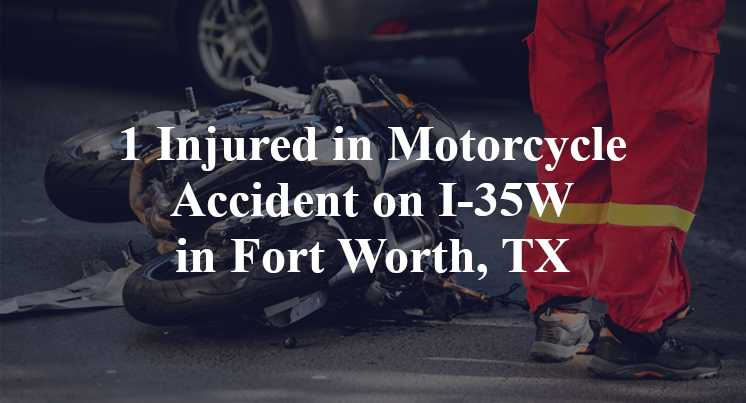
Officials indicate that, for as yet unknown reasons, the motorcycle was involved in a collision in which it apparently struck a parked and unoccupied fire truck. The man reportedly sustained serious injuries over the course of the accident. Additional details pertaining to this incident—including the identity of the victim—are not available at this point in time. The investigation is currently ongoing.
Commentary by Attorney Michael Grossman
A motorcycle striking a parked emergency vehicle in the middle of the night is the kind of incident that prompts quick conclusions—but those conclusions don’t always get to the truth. When someone ends up seriously injured, especially in a highly unusual crash like this, the investigation needs to focus on far more than just the outcome.
1. Did the authorities thoroughly investigate the crash?
It’s critical to understand how a rider came into contact with a stationary fire truck. Was the truck clearly marked and lit according to protocol? Did investigators determine whether the motorcycle’s path was altered by road conditions or another vehicle? At 2:00 a.m., lighting, visibility, and traffic positioning all matter—and if those factors weren’t carefully documented, key context could be missing. Just because the fire truck wasn’t moving doesn’t mean the crash was inevitable.
2. Has anyone looked into the possibility that a vehicle defect caused the crash?
Motorcycles require near-perfect mechanical reliability to remain stable, especially in emergency situations. Did the Harley-Davidson experience a brake failure, throttle sticking, or steering instability that made it difficult to stop or swerve? Even minor defects in suspension or braking systems can make a critical difference when navigating around stopped vehicles. These issues are often overlooked unless someone does a focused inspection of the bike.
3. Has all the electronic data relating to the crash been collected?
Some modern Harley-Davidson motorcycles include basic onboard telemetry, and if such data exists, it could reveal the bike’s speed, braking input, and throttle position before the crash. If the rider had a connected GPS or mobile device, that might help establish positioning and timing as well. Importantly, any dash or body camera footage from the fire truck could also clarify visibility and how the motorcycle approached. These details matter in figuring out whether the crash was avoidable—or if something failed along the way.
Crashes involving emergency vehicles should never be approached casually. Serious injuries, especially under unusual circumstances, deserve serious follow-up—because understanding how it happened is the first step in making sure it doesn’t happen again.
Takeaways:
- Crashes involving stationary emergency vehicles need detailed scene documentation and visibility review.
- Mechanical failure on the motorcycle may have prevented evasive action.
- Data from the bike or nearby cameras may reveal vehicle behavior and timing before the impact.

 call us
  Email Us
  Text us