
Travis County, TX — June 24, 2025, a man was injured due to a motorcycle accident at approximately 11:30 p.m. along Interstate Highway 35.
According to authorities, a 33-year-old man was traveling on a Harley-Davidson motorcycle on I-35 in the vicinity of East St. Johns Avenue when the accident took place.
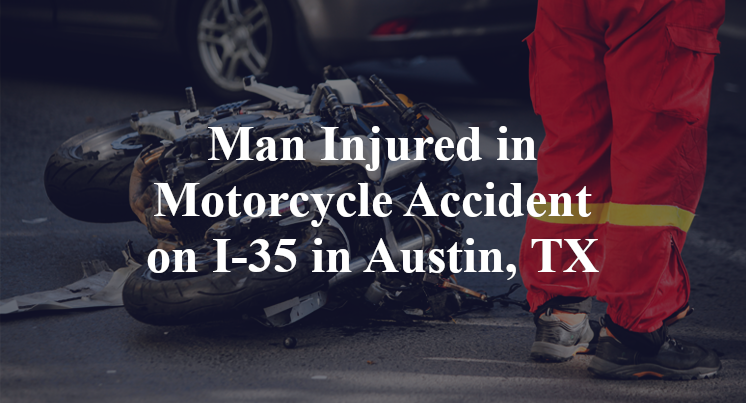
Officials indicate that, for reasons yet to be confirmed, the motorcycle attempted a lane change at an apparently unsafe time. It was consequently involved in a single-vehicle collision in which it apparently overturned. The man reportedly sustained serious injuries over the course of the accident. Additional details pertaining to this incident—including the identity of the victim—are not available at this point in time. The investigation is currently ongoing.
Commentary by Attorney Michael Grossman
Late-night motorcycle crashes often leave behind more questions than answers—especially when the only story that emerges is a vague note about a lane change gone wrong. When a rider ends up seriously hurt, it’s not enough to guess what happened. The key is to figure out why.
1. Did the authorities thoroughly investigate the crash?
A crash involving a motorcycle overturning during a lane change should trigger more than a basic report. Did investigators analyze the road surface, vehicle path, and possible interaction with other traffic? Was there an attempt to determine whether another vehicle may have influenced the rider’s decision or path, even if no contact occurred? In many late-night cases, scenes get cleared fast, and deeper investigation falls through the cracks.
2. Has anyone looked into the possibility that a vehicle defect caused the crash?
With a motorcycle, even the smallest malfunction can have outsized effects. Could the front suspension have stiffened at the wrong time? Was there an issue with tire grip, steering input, or braking balance? Sudden instability during a lane change might point to something mechanical—especially on a heavy bike like a Harley. If no one inspects the bike’s systems, those questions never get answered.
3. Has all the electronic data relating to the crash been collected?
Many modern Harley-Davidson motorcycles include systems that track limited telemetry—speed, gear shifts, throttle response—that could help reconstruct the rider’s actions. Additionally, if the rider carried a GPS-enabled phone or wearable device, that data might help verify movement patterns and speed. Without these digital sources, the explanation for what caused the bike to go down may remain frustratingly incomplete.
A motorcycle laying on its side tells only part of the story. Getting to the full truth takes more than looking at where the bike landed—it takes asking what went wrong before it ever got there.
Takeaways:
- A detailed review of the crash scene is crucial when a motorcycle overturns during a maneuver.
- Mechanical instability or a component failure could have contributed to the crash.
- GPS and onboard data may help clarify the rider’s decisions and vehicle behavior before impact.

 call us
  Email Us
  Text us