
Ellis County, TX — March 8, 2025, a man was injured due to a motorcycle accident at approximately 2:30 a.m. along Country Club Road.
According to authorities, a 26-year-old man was traveling on a southeast bound Honda motorcycle on Country Club Road in the vicinity east of the St. Andrews Drive intersection when the accident took place.
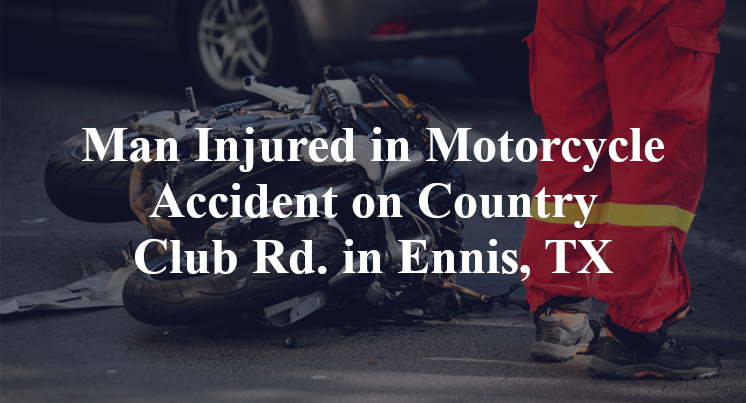
Officials indicate that, apparently due to a wild animal in the roadway, the motorcycle swerved and struck a guardrail. The man reportedly sustained serious injuries as a result of the wreck. Additional details pertaining to this incident—including the identity of the victim—are not available at this point in time. The investigation is currently ongoing.
Commentary by Attorney Michael Grossman
Motorcycle crashes in the early morning hours often come with more variables than answers. When a rider swerves and hits a guardrail—especially due to an alleged animal in the roadway—it’s easy to chalk it up to chance. But there’s more to question when someone ends up seriously injured.
1. Did the authorities thoroughly investigate the crash?
Claims of an animal in the road are difficult to verify, especially hours after the fact. That’s why it’s essential for investigators to carefully document the scene. Were there skid marks or clear evidence of a sudden swerve? Did officials check for fur, animal tracks, or impact debris? And just as important—was the guardrail in good repair, or was its design or placement a factor in the injury severity? A full scene reconstruction can either support or challenge the claim of an unavoidable hazard.
2. Has anyone looked into the possibility that a vehicle defect caused the crash?
When a motorcycle veers suddenly, mechanical issues can’t be ruled out—especially when the vehicle hits a guardrail at an angle. Was the front brake too sensitive, or did the throttle stick? Did the steering mechanism respond appropriately? Without a detailed mechanical inspection, it’s possible that a defect—not a wild animal—was the real reason the rider lost control.
3. Has all the electronic data relating to the crash been collected?
Motorcycles generally offer less telemetry than passenger cars, but some riders use aftermarket GPS, dash cams, or helmet cams that could offer valuable insight. These can confirm speed, rider input, and even road conditions at the time of the crash. If such data existed and wasn’t secured, a key piece of the puzzle may have been lost.
Crashes involving alleged animal avoidance often end without resolution. But assumptions shouldn’t replace evidence. If no one verifies what caused the swerve—or whether the bike could’ve handled it better—then the root cause of this serious injury may remain unknown.
Key Takeaways:
- Investigators should document physical evidence that supports or contradicts sudden swerving due to an animal.
- A mechanical inspection can determine if the motorcycle responded correctly during the event.
- Rider GPS, dash cam, or helmet cam data could verify speed, conditions, and reaction at the time of the crash.

 call us
  Email Us
  Text us