
Bexar County, TX — May 29, 2025, a man was injured in a motorcycle accident at approximately 11:15 p.m. along Interstate Highway 10.
According to authorities, a 27-year-old man was traveling on a southbound Honda motorcycle on I.H. 10 in the vicinity south of Guadalupe Street when the accident took place.
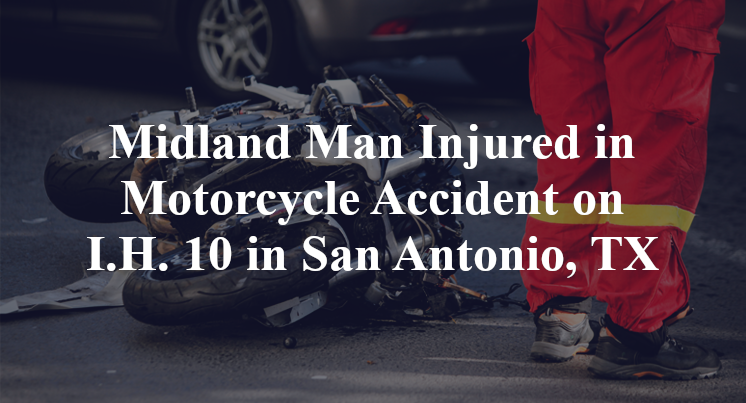
Officials indicate that, for reasons yet to be confirmed, the motorcycle was involved in a single-vehicle accident in which it apparently overturned. The man reportedly sustained serious injuries as a result of the wreck. Additional details pertaining to this incident—including the identity of the victim—are not available at this point in time. The investigation is currently ongoing.
Commentary by Attorney Michael Grossman
Late-night crashes involving motorcycles often leave behind more questions than answers. When a rider ends up seriously injured without another vehicle in sight, it’s tempting to assume error. But those assumptions can miss the deeper story if no one takes the time to look closely.
1. Did the authorities thoroughly investigate the crash?
With a single-vehicle motorcycle crash, the investigation needs to go well beyond a surface-level scene review. Did officers analyze tire marks or impact points to determine how and why the motorcycle overturned? Was the rider’s trajectory mapped, and were weather or surface conditions carefully documented? These questions matter because motorcycles are more sensitive to changes in balance and road surface than passenger cars. Yet investigations into solo motorcycle crashes are often brief, especially late at night when fewer resources are on hand. If the work wasn’t done to reconstruct the event properly, valuable insight may already be lost.
2. Has anyone looked into the possibility that a vehicle defect caused the crash?
Mechanical failures can play a huge role in motorcycle wrecks—sometimes more so than with cars. If a tire blows, a chain snaps, or the suspension fails, a rider can lose control instantly. The same goes for braking systems that lock unexpectedly or electronic rider aids that malfunction. Without a mechanical inspection of the Honda motorcycle, it’s impossible to say whether the crash was avoidable. Yet these inspections rarely happen unless someone pushes for them.
3. Has all the electronic data relating to the crash been collected?
Some newer motorcycles, especially those from major manufacturers like Honda, are equipped with limited electronic data systems. Even if basic, they might track key information like speed or throttle input. Paired with GPS records or surveillance footage from the interstate, investigators could gain a clearer picture of what happened in the moments before the bike overturned. The rider’s phone could also contain location or activity data that helps fill in the blanks. If this evidence hasn’t been secured, it may never be recovered.
Motorcycle crashes don’t just happen in a vacuum. Each one has a cause, but that cause often stays hidden unless someone takes the time to chase it down. The difference between assumption and understanding is all in the effort to ask the right questions.
Key Takeaways:
- Serious motorcycle crashes need full-scale reconstruction, even when no other vehicles are involved.
- Mechanical issues—especially with tires, brakes, or chains—should be carefully ruled out.
- Electronic data and phone records may clarify what happened before the crash.

 call us
  Email Us
  Text us