
Fort Worth, TX — July 27, 2025, One person was killed following an 18-wheeler accident that occurred at around 2:51 P.M. on Trinity Boulevard.
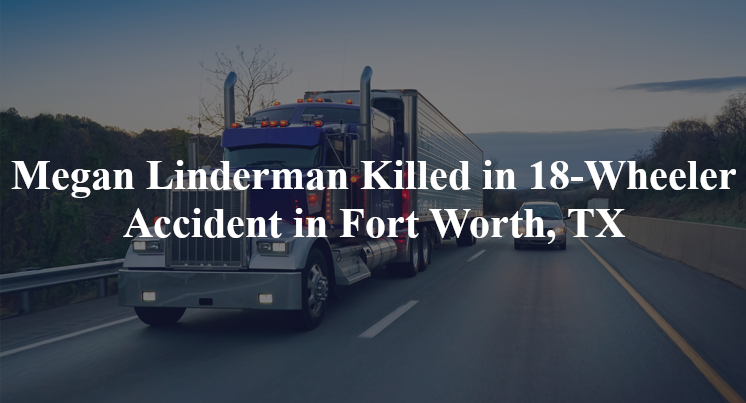
According to reports, an accident involving an 18-wheeler and a sedan occurred in the area of Trinity Boulevard and Post Oak Boulevard, however the circumstances that caused the crash are still being determined.
When first responders arrived on the scene they found the driver of the sedan, identified as Megan Linderman, fatally injured and pronounced her deceased. At this time authorities have not provided an update on the status of the investigation, which remains ongoing.
Commentary by Attorney Michael Grossman
When someone hears that a person lost their life in a crash with an 18-wheeler, the first thought is usually: How did this happen? From the reports available, we know a sedan and an 18-wheeler collided near Trinity Boulevard and Post Oak Boulevard, and the driver of the sedan did not survive. What’s not clear is what led to the crash, and without those details, we’re missing the most important part of the story.
One possibility is that the sedan caused the wreck. Another is that the 18-wheeler was to blame. Or maybe both drivers were reacting to something else entirely—like a sudden mechanical failure, a third vehicle, or a poorly designed intersection. Until more information is released, every one of those scenarios is on the table.
Getting real answers means going deeper than a police report. A thorough investigation should start with the truck’s electronic control module (ECM), which can tell us how fast the truck was going, whether the brakes were applied, and how the driver responded in the final moments. Dash camera footage, if available, could offer even more clarity about who had the right of way and how the crash unfolded. Cell phone records, visibility conditions, and witness statements also matter—especially at intersections where timing and positioning can mean everything.
It’s also worth asking what kind of training the truck driver received and whether the company followed proper hiring procedures. I’ve handled cases where drivers with spotty records were put behind the wheel of 80,000-pound vehicles because companies cut corners in screening and training. That kind of negligence isn’t always obvious at first glance, but it becomes clear once you start pulling the thread and looking at the bigger picture.
The bottom line is: no one should rush to conclusions about who’s at fault. But someone does need to dig in and get the full story—because that’s the only way to understand what happened and whether it could have been prevented.
Key Takeaways:
- Reports confirm a fatal crash between a sedan and an 18-wheeler, but the cause remains unknown.
- Critical evidence may lie in ECM data, dash cam footage, and driver cell phone records.
- Intersection crashes often require close examination of timing, visibility, and right-of-way issues.
- Trucking company policies on driver screening and training may come into play.
- A full investigation is the only path to accountability and truth.

 call us
  Email Us
  Text us