
Henderson County, TX — July 5, 2025, Jared Shelton was injured due to a motorcycle versus car accident at about 12:30 p.m. along Main Street.
According to authorities, 32-year-old Jared Shelton was traveling on an eastbound Harley-Davidson motorcycle on Main Street (S.H. 334) at the County Road 2927 intersection when the accident took place.
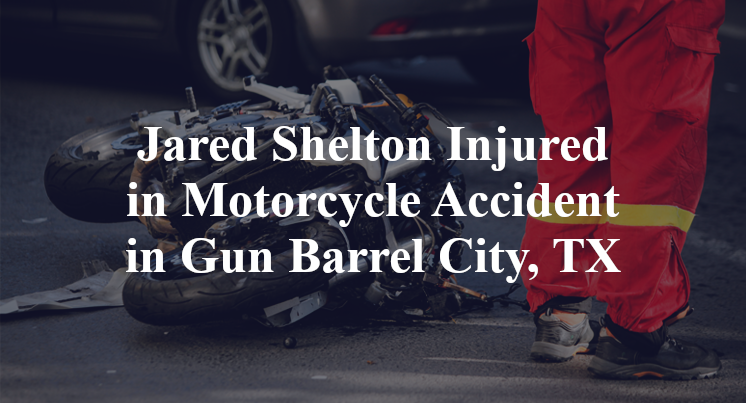
Officials indicate that, for as yet unknown reasons, a northbound GMC Yukon attempted a left turn to head eastbound on Main Street at an apparently unsafe time, failing to yield the right-of-way at a stop sign. A collision consequently occurred between the front-end of the Harley-Davidson and the front-left of the Yukon.
Shelton reportedly sustained serious injuries over the course of the accident; he was transported to a local medical facility by EMS in order to receive necessary treatment. Additional details pertaining to this incident are not available at this point in time.
Commentary by Attorney Michael Grossman
After a crash like this, it’s natural to focus on what happened in the moment. But what often gets missed is what didn’t happen before or after—the questions no one asks that might change the whole story. With a collision between a motorcycle and a larger vehicle, that silence can hide serious investigative gaps.
1. Did the authorities thoroughly investigate the crash?
Police often respond quickly to scenes like this, but speed doesn’t always equal depth. A thorough investigation would involve more than just documenting the obvious damage or taking basic statements. It means reconstructing the crash path, verifying the speed and direction of both vehicles, and evaluating whether the left-turn driver misjudged distance or failed to stop altogether. These steps are essential, but not every officer has the training or time to dig that deep—especially in smaller jurisdictions.
2. Has anyone looked into the possibility that a vehicle defect caused the crash?
When one vehicle turns directly into another’s path, it’s easy to assume it was just driver error. But mechanical issues can mimic poor decision-making. Did the Yukon have a brake problem? Was there a delay in steering response? Could a malfunctioning turn signal have played a role? These possibilities need checking, especially when a crash seems senseless on the surface. Without a proper mechanical inspection, those answers stay buried.
3. Has all the electronic data relating to the crash been collected?
Modern vehicles—cars and motorcycles alike—hold a lot of information. That includes things like speed, brake use, and throttle position, not to mention any GPS data showing travel routes or patterns. Cell phones and nearby surveillance cameras might also tell a clearer story. If none of this data has been reviewed, investigators are working from memory and guesswork instead of facts.
As long as these kinds of questions go unasked, serious crashes will keep getting chalked up to “just accidents.” Digging deeper isn’t about blame—it’s about making sure the full picture comes into focus.
Takeaways:
- A full crash reconstruction should always go beyond surface-level observations.
- Vehicle defects can easily go unnoticed without a targeted inspection.
- Digital evidence often holds the clearest version of what really happened.

 call us
  Email Us
  Text us