
Columbus, OH — April 2, 2025, Jahara Tunkara was killed in a truck accident at about 1:40 a.m. on northbound Interstate 71.
Authorities said a Nissan Rogue stopped for an unknown reason near the Interstate 670 interchange and was hit from behind by a semi-truck.
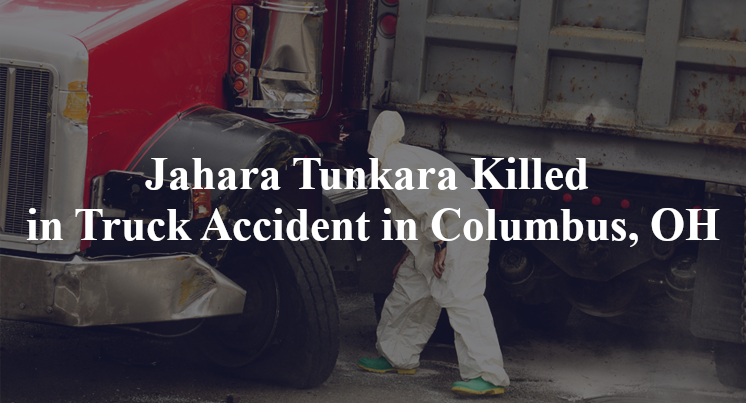
Nissan driver Jahara Tunkara, 22, died after being transported to a local hospital, according to authorities.
No other injuries were reported.
Authorities have not released any additional information about the crash. The accident is still under investigation.
Commentary by Attorney Michael Grossman
Anytime a passenger vehicle is rear-ended by a semi-truck, especially on a high-speed interstate like I-71, the question isn’t just why the car was stopped. It’s why the truck couldn’t avoid it. In this case, the Nissan Rogue reportedly came to a stop near the I-670 interchange before it was struck from behind by a semi. That may seem straightforward at first glance, but legally, it’s anything but.
The law generally assumes that drivers will maintain enough following distance to stop safely, even if the vehicle in front behaves unexpectedly. That expectation is even greater for commercial drivers, because their vehicles take longer to slow down, especially when loaded. So one of the first questions investigators need to answer is whether the truck driver was following too closely, speeding or distracted at the time of the crash.
Even if the Nissan was stopped under unusual circumstances, that alone doesn’t excuse a rear-end collision. If the driver had a mechanical problem or a medical emergency — or was simply confused by poor signage or unexpected traffic patterns — the responsibility shifts to whether the truck driver had time and space to respond. That’s where things like dashcam footage, black box data and phone records come into play. They can show whether the trucker braked at all, how fast they were going and whether they were even aware of the vehicle in time.
The time of the crash adds another layer to the investigation. Was the truck driver fatigued? Had they been on duty too long? Was visibility a factor? These aren’t minor details; they can determine whether this was a tragic mistake or a foreseeable outcome of bad decisions made long before the truck ever reached that stretch of road.
Crashes like this are exactly why the standard of care for commercial drivers is so high. When a truck rear-ends a stopped vehicle and a person loses their life, we can’t settle for vague answers or assumptions. We need a complete picture of what happened, and that means holding both the driver and the trucking company to account for every decision that led up to the crash.

 call us
  Email Us
  Text us