
Fritch, TX — May 10, 2025, a man from Fritch was injured in a motorcycle accident at approximately 7:00 p.m. along State Highway 136.
According to authorities, a 43-year-old man was traveling on a westbound Harley-Davidson motorcycle on State Highway 136 in the vicinity west of the R.M. 687 intersection when the accident took place.
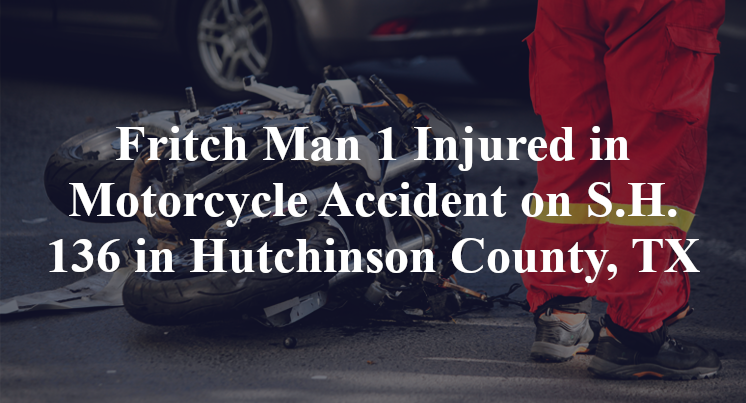
Details surrounding the accident remain scarce. Officials indicate that, for reasons yet to be confirmed, the motorcycle was involved in a single-vehicle collision in which it apparently overturned. The man reportedly sustained serious injuries over the course of the accident. Additional information pertaining to this incident—including the identity of the victim—is not available at this point in time. The investigation is currently ongoing.
Commentary by Attorney Michael Grossman
When crashes like this happen—especially single-vehicle motorcycle wrecks on open highways—they’re often chalked up to rider error or excessive speed. But in my experience, particularly when serious injuries are involved, the most important thing is to ask why the motorcycle left its path and overturned in the first place. That’s the starting point for understanding what might have occurred on State Highway 136 near Fritch.
First, did investigators closely evaluate the roadway’s condition and layout where the crash happened? Even at 7:00 p.m., glare from the sun, fading lane markings, or gravel near the shoulder can create conditions that are uniquely dangerous for motorcycle riders. Was there uneven pavement, debris, or a visual obstruction near the intersection with RM 687? For a vehicle as sensitive to terrain as a motorcycle, these are crucial details that can shift the focus from rider behavior to road environment.
Second, has anyone explored whether a mechanical failure in the motorcycle contributed to the incident? Motorcycles—particularly large, heavy cruisers like a Harley-Davidson—require fully functioning brakes, tires, and steering to remain stable at highway speeds. A front brake lockup, blown tire, or steering fault could easily cause a loss of control without warning. These issues won’t be apparent without a forensic inspection of the vehicle in its post-crash condition.
Finally, has any electronic or digital data been reviewed? While motorcycles are less likely than cars to contain built-in event data recorders, some riders use helmet cameras, smartphone trackers, or GPS devices that might have logged relevant details. Investigators should also check for dashcams in nearby vehicles or surveillance cameras that could shed light on what occurred during the critical seconds before the crash.
Answering these three questions is critical to making sure that no stone is left unturned in understanding the causes of a crash like this. Serious wrecks deserve serious investigation, not assumptions. Getting clear answers to these questions is crucial for those seeking to understand what happened and why—and it’s the least that can be done to help those affected find the clarity and closure they deserve.

 call us
  Email Us
  Text us