
Dallas, TX — June 21, 2025, Derrik Foote was killed in a motorcycle accident at about 11:30 p.m. on eastbound Interstate 20.
A preliminary accident report indicates a 2012 Yamaha FZ1 motorcycle collided with another vehicle while changing lanes near Clark Road.
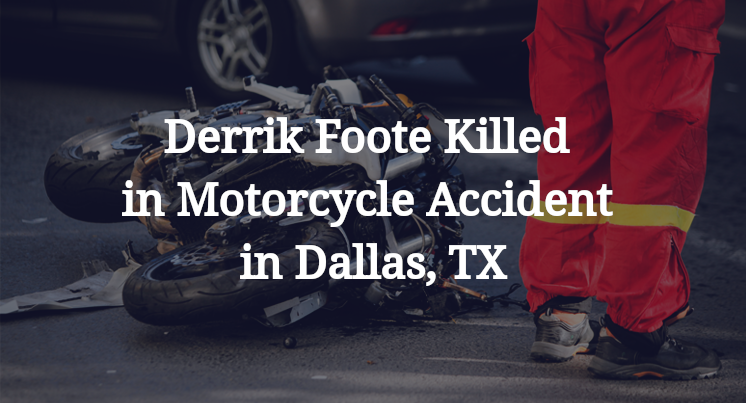
Motorcyclist Derrik Alan Foote, 35, died in the crash, according to the report.
The other vehicle has not been identified yet, the report states.
Authorities have not released any additional information about the Dallas County crash.
Commentary by Attorney Michael Grossman
After any deadly crash, it’s natural to wonder how something so sudden could happen, and whether someone missed a chance to prevent it. Those thoughts become even more urgent when answers are scarce and the initial reports raise more questions than they answer.
Did the authorities thoroughly investigate the crash? In situations like this, where a motorcycle collides with another vehicle during a lane change, it’s critical that investigators reconstruct the incident with precision. That means laser-mapping the scene, analyzing traffic flow at that hour and carefully reviewing the physical evidence left on the road. Without identifying the other vehicle involved, it’s unclear how much progress has been made, or even if basic interviews or canvassing for witnesses took place. The reality is, depending on the training and bandwidth of the officers on scene, these key steps sometimes get skipped or rushed.
Has anyone looked into the possibility that a vehicle defect caused the crash? Motorcycles are particularly sensitive to even small mechanical issues. A problem with the steering assembly, throttle response or brakes could have made lane control difficult and contributed to a collision. Similarly, if the unidentified vehicle had a malfunction, like a faulty lane-keeping system or sudden deceleration, that could also be relevant. Mechanical inspections are essential in serious crashes, but they often don’t happen unless someone insists on it.
Has all the electronic data relating to the crash been collected? With one vehicle still unidentified, it’s hard to say whether digital evidence like dashcams, GPS data or cell phone records are even being pursued. But they should be. A motorcyclist’s phone might have recorded route data, and nearby traffic cameras might show what happened in those final moments. For the unidentified vehicle, if it’s eventually found, its onboard systems may hold critical clues about speed, braking or driver alertness that could either explain or challenge what appears on the surface.
As with many late-night crashes, the public rarely gets the full story right away. But that doesn’t mean the facts aren’t out there; it just means someone has to ask the right questions and dig deep enough to find them.
Takeaways:
- Not all crash scenes get the thorough reconstruction they deserve.
- Even minor vehicle issues can have major consequences, especially on motorcycles.
- Electronic data often fills in the gaps, but only if someone bothers to collect it.

 call us
  Email Us
  Text us