
Houston, TX — December 31, 2024, Daniel Farrar was killed and another person was injured in a car accident at about 6:30 p.m. on North Freeway/Interstate 45.
Authorities said a Harley-Davidson motorcycle crashed into the back of a Tesla that had pulled partially off the road to avoid three vehicles that had gotten into an accident.
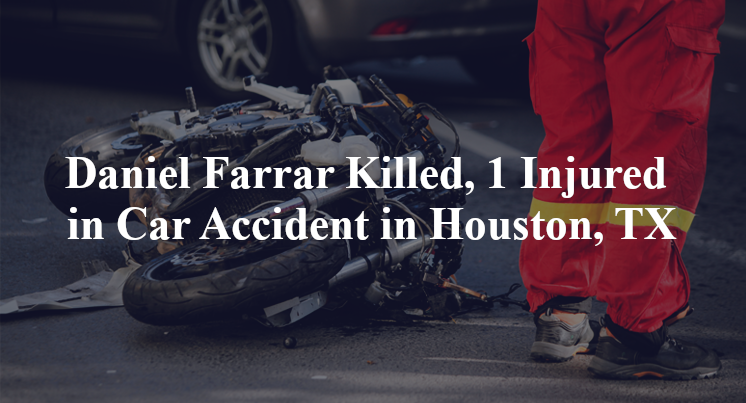
Motorcyclist Daniel Farrar, 49, died at the scene of the crash in the 12500 block of North Highway, according to authorities. The 46-year-old woman who had been his passenger was hospitalized with unspecified injuries.
The Tesla driver was questioned by police and released, authorities said.
The accident remains under investigation.
Commentary by Attorney Michael Grossman
When considering a crash like this one, it’s clear that the circumstances surrounding the collision raise critical questions about contributing factors and whether all aspects of the crash are being fully investigated. Understanding the chain of events in this crash is essential. To do so, we must address three key questions: Did the authorities conduct a comprehensive investigation? Has the possibility of a vehicle defect been examined? And has all available electronic data been preserved?
First, the thoroughness of the investigation must be assessed. According to reports, the Tesla was partially off the road after stopping to avoid an earlier accident. This raises several questions: Was the Tesla sufficiently visible to oncoming traffic, particularly to the motorcyclist? Were its hazard lights activated? Additionally, how did the earlier accident impact traffic flow and create the conditions for this secondary collision? Investigators should carefully analyze the scene, including the positioning of the Tesla, the state of the roadway and any contributing factors such as lighting, weather or visibility at the time of the crash. Witness statements and surveillance footage, if available, could provide further context about the moments leading up to the collision.
Second, it’s important to examine whether any vehicle defects may have played a role in the crash. For the Tesla, the functionality of its lighting and alert systems should be reviewed. Were its hazard lights or other safety features active and working as designed to warn oncoming drivers of its position? For the motorcycle, mechanical issues such as brake performance, tire condition or steering control could have affected the motorcyclist’s ability to react in time to avoid the stopped vehicle. Preserving both vehicles for forensic analysis is critical to determining whether any failures contributed to the collision.
Finally, the preservation and analysis of electronic data are vital. The Tesla’s onboard systems, including its engine control module (EDR) and cameras, could provide invaluable information about its position, speed and whether its hazard lights were engaged. Likewise, the motorcycle may have electronic systems that could offer insights into its speed and actions leading up to the collision. In addition, any nearby traffic cameras or surveillance footage could help piece together how the earlier crash affected the roadway and the sequence of events that led to this fatal incident. Acting quickly to secure this data is essential to avoid its loss.
Answering these questions is critical not only for understanding the causes of this crash but also for addressing the concerns of those affected and identifying steps to improve road safety. Thorough investigations, careful examination of potential defects and diligent collection of electronic data ensure that all contributing factors are identified, providing clarity and helping to prevent similar incidents in the future.

 call us
  Email Us
  Text us