
Wills Point, TX — April 28, 2025, a man was killed in a motorcycle accident at approximately 10:00 p.m. along Farm to Market 751.
According to authorities, a 39-year-old man was traveling on a northwest bound Suzuki motorcycle on F.M. 751 in the vicinity northwest of Brave Buffalo when the accident took place.
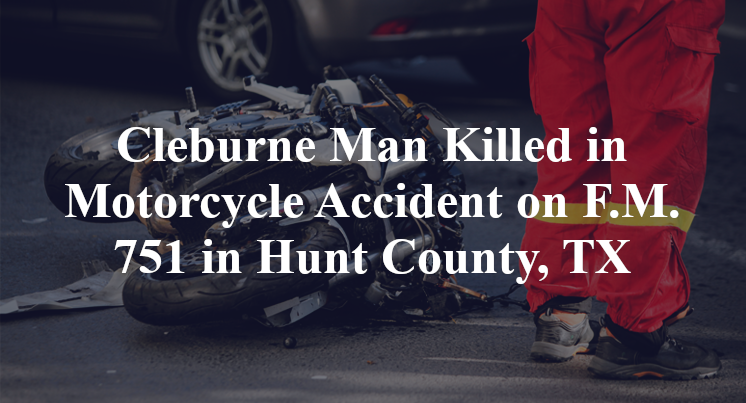
Officials indicate that, for reasons yet to be confirmed, the Suzuki was involved in a single-vehicle collision in which it apparently overturned. The man reportedly suffered fatal injuries due to the wreck. Additional details pertaining to this incident—including the identity of the victim—are not available at this point in time. The investigation is currently ongoing.
Commentary by Attorney Michael Grossman
When crashes like this happen—particularly single-vehicle motorcycle wrecks on rural roads at night—it’s often assumed that the rider simply lost control. But in my experience, especially when the outcome is fatal, that assumption risks overlooking what might have caused the motorcycle to overturn in the first place. To begin understanding the fatal incident on FM 751 near Wills Point, three key questions must be asked.
First, did investigators thoroughly examine the road environment where the crash occurred? Rural highways can pose hidden dangers—uneven pavement, loose gravel, inadequate lighting, or poorly marked curves—that are especially hazardous to motorcyclists. At 10:00 p.m., visibility is already diminished, and even a small hazard can have severe consequences. Was the road surface intact and free of debris? Were there visual cues or signage to warn of changes in the road’s direction or elevation? These questions can reveal whether the conditions increased the likelihood of a crash.
Second, has anyone considered the possibility of mechanical failure? On a motorcycle, any fault—whether in the brakes, suspension, tires, or even the steering assembly—can cause instability and lead to a crash. This is particularly critical with single-vehicle incidents where there are no other vehicles to share responsibility. A proper forensic inspection of the motorcycle is necessary to determine whether a malfunction may have played a role, and that inspection must occur before the vehicle is altered or disposed of.
Finally, has any electronic or digital evidence been gathered? While motorcycles typically lack the robust event data recorders found in passenger vehicles, riders increasingly use GPS devices, smartphone tracking apps, or helmet cameras that can provide valuable insight into the moments leading up to a crash. Investigators should also consider whether any nearby properties had surveillance footage that may have captured part of the incident.
Answering these three questions is critical to making sure that no stone is left unturned in understanding the causes of a crash like this. Serious wrecks deserve serious investigation, not assumptions. Getting clear answers to these questions is crucial for those seeking to understand what happened and why—and it’s the least that can be done to help those affected find the clarity and closure they deserve.

 call us
  Email Us
  Text us