
Jackson County, MO — July 30, 2025, One person was killed and two were injured in a car accident at around 4:23 P.M. on I-70.
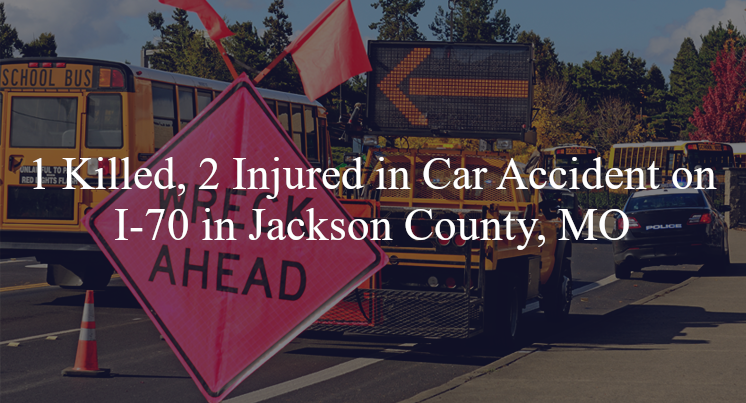
According to reports, a Toyota Scion operated by a 55-year-old man with two 15-year-old passengers was traveling on Interstate 70 near the 25.4 mile marker, when it collided with a Dodge Ram, the circumstances of which are still being determined.
When first responders arrived they found the Toyota driver fatally injured and pronounced him deceased, while the two passengers sustained minor injuries. Officials have not released the identity of the deceased driver, or provided an update on the investigation’s status.
Commentary by Attorney Michael Grossman
When a highway collision involves unclear circumstances, finding out exactly how events unfolded becomes the heart of the investigation. The few seconds before impact often hold the answers, but only if they’re thoroughly examined.
1. Did the authorities thoroughly investigate the crash?
Here, the challenge is reconstructing how the Toyota and Dodge came together. Investigators should be mapping the scene, collecting precise measurements, and reviewing any witness accounts to determine vehicle positions and speeds. Small details—like lane placement or braking marks—can shift the entire understanding of the crash.
2. Has anyone looked into the possibility that a vehicle defect caused the crash?
Collisions sometimes occur because one vehicle loses steering, braking, or acceleration control unexpectedly. Without a mechanical inspection of both the Toyota and the Dodge, the possibility of a contributing defect remains open.
3. Has all the electronic data relating to the crash been collected?
Event data recorders from both vehicles could show speed, throttle use, and braking seconds before the crash. If paired with dashcam or traffic camera footage, these records could answer whether the contact was avoidable or sudden.
Full clarity rarely comes from a single clue—it’s the combination of scene work, mechanical inspection, and electronic data that paints the true picture.
Takeaways:
- Scene mapping is critical to understand vehicle paths before impact.
- Mechanical failures can’t be ruled out without inspection.
- Electronic records can provide objective timing and speed data.

 call us
  Email Us
  Text us