
Potter County, TX — September 11, 2024, Bryan Graham and a woman were injured in a motorcycle accident at around 1:30 p.m. along Western Street.
According to authorities, 55-year-old Bryan Graham and a 61-year-old woman were traveling on a northbound Harley-Davidson motorcycle on Western Street in the vicinity of the NW 10th Avenue intersection when the accident took place.
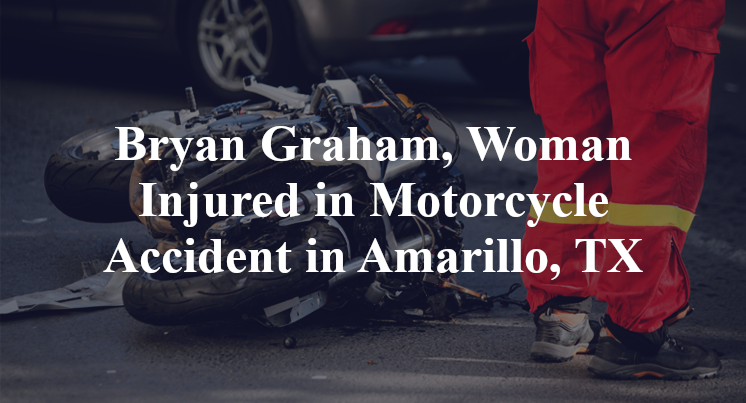
Officials indicate that, for as yet unknown reasons, a northbound Ford F-150 pickup truck changed lanes at an apparently unsafe time. The motorcycle then took faulty evasive action in order to avoid a collision with the pickup truck. It veered left, crossing over the center turn lane and both southbound lanes before leaving the west side of the roadway, coming to a stop after crashing into a chain link fence.
Both Graham and the woman reportedly sustained serious injuries due to the accident; they were each transported to local medical facilities by EMS in order to receive necessary treatment. Additional details pertaining to this incident are not available at this point in time.
Commentary by Attorney Michael Grossman
When a motorcycle crash sends two people to the hospital, there’s often a rush to assign fault or write it off as simple operator error. But based on my 30-plus years handling cases like these, experience tells me it’s rarely that simple. What matters most is not jumping to conclusions—but asking the right questions to uncover the full truth.
First, did police fully investigate the actions of the pickup driver? Lane-change crashes are often the result of blind-spot neglect or distraction. Authorities may have noted that the truck’s maneuver prompted the motorcycle to veer off the road, but did they speak with witnesses, review any available dashcam or surveillance footage, or determine whether the truck driver signaled before moving into the motorcycle’s lane?
Second, has anyone looked into whether the motorcycle was functioning properly? When evasive action leads to a loss of control, it’s important to determine whether brake performance, steering responsiveness, or tire integrity played a role. Even seemingly minor defects or wear can have outsized effects in a split-second maneuver like this one.
Finally, was any electronic data collected from the motorcycle or the pickup? Some newer motorcycles can log throttle and braking inputs, while many trucks contain modules that record pre-crash events like speed and steering angle. Preserving that kind of evidence early on is key, yet it’s often neglected in incidents that don’t involve a direct collision.
Answering these three questions is critical to making sure that no stone is left unturned in understanding the causes of a crash like this. Serious wrecks deserve serious investigation, not assumptions. Getting clear answers to these questions is crucial for those seeking to understand what happened and why—and it’s the least that can be done to help those affected find the clarity and closure they deserve.

 call us
  Email Us
  Text us