
Jack County, TX — December 4, 2024, a man was killed following a single-vehicle truck accident just after 5:00 a.m. along State Highway 59.
According to authorities, a 33-year-old man was traveling in a southeast bound International truck on State Highway 59 in the vicinity of the Farm to Market 1810 intersection when the accident took place.
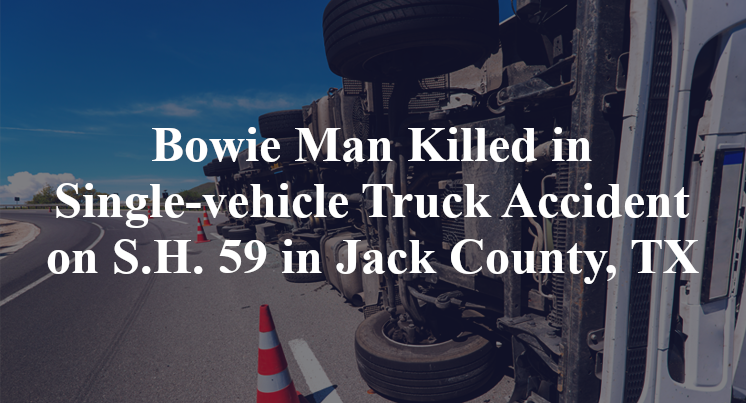
The cause of the accident remains unclear. Officials indicate that, for reasons yet to be confirmed, the truck failed to maintain control in slick road conditions. It was consequently involved in a single-vehicle collision in which it apparently struck a tree and overturned.
The man reportedly suffered fatal injuries over the course of the accident. Additional details pertaining to this incident—including the identity of the victim—are not available at this point in time. The investigation is currently ongoing.
Commentary by Attorney Michael Grossman
When a commercial truck crashes in wet or slick conditions, the common reaction is to chalk it up to the weather. But after more than 30 years of handling truck accident cases, I’ve learned that bad weather may be part of the story—but it’s almost never the whole story. Trucks are built to handle the road, even when conditions aren’t ideal. So when one leaves the roadway, strikes a tree, and overturns, the more important question is why the driver lost control.
The timing of this crash—just after 5:00 a.m.—raises some immediate concerns about visibility, road surface, and driver condition. Was the driver fatigued after a long night of driving? Were the truck’s tires and braking systems in good working order for wet pavement? Was the vehicle properly loaded and balanced to maintain stability in less-than-perfect conditions? These are all critical issues that don’t just fall on the driver—they speak to the responsibility of the company that put the truck on the road.
If this truck was being operated as part of a commercial business, then the company behind it has a legal obligation to do more than just hand over the keys. That includes making sure the vehicle is maintained, the driver is well-trained, and the conditions on the route are taken into account. I’ve seen companies fail to monitor weather risks, pressure drivers to stay on schedule even when road conditions deteriorate, or ignore red flags in maintenance records. In crashes like this one, those decisions can be the difference between a safe delivery and a fatal rollover.
There’s also the question of whether the driver had the tools and support to make sound decisions. Did they have up-to-date weather alerts? Were they trained on how to respond to hydroplaning or reduced traction? These aren’t small details—they go directly to whether the crash was a product of unfortunate weather or avoidable human error.
From where I sit, it’s not enough to say a truck lost control in slick conditions. The real issue is whether anything could or should have been done to prevent that loss of control. That’s what a full investigation must uncover, and only then can the right parties be held accountable and those affected by the wreck receive the clarity and closure they deserve.

 call us
  Email Us
  Text us