
Update (April 22, 2025): Authorities have identified the man killed in this accident as Sacramento resident Victor Levell Harmon, 40.
Sacramento, CA — April 17, 2025, one person was killed in a truck accident at about 6 a.m. on South Watt Avenue near Elder Creek Road.
Authorities said a Buick sedan tried to pass another vehicle while heading north, putting it in the path of a southbound dump truck. Both vehicle drivers tried unsuccessfully to avoid the crash.
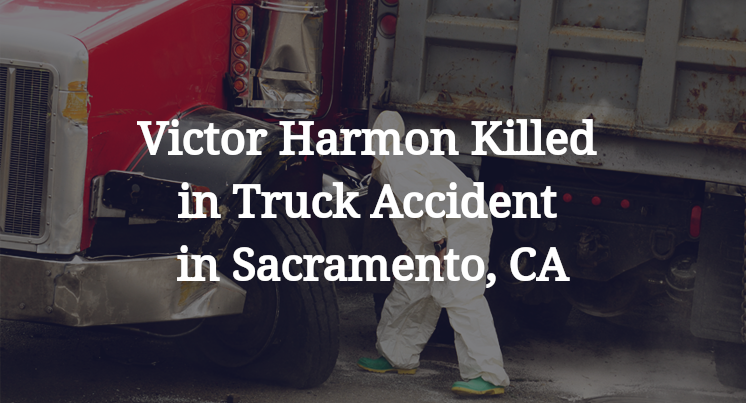
The driver of the Buick, a 40-year-old man whose name has not been made public yet, died after being transported to a local hospital, according to authorities. The truck driver was not injured.
Authorities have not released any additional information about the crash at this time. The accident is still under investigation.
Commentary by Attorney Michael Grossman
When a driver attempts to pass another vehicle on a two-lane road, they take on a legal and practical responsibility to ensure that the maneuver is safe, not just for themselves, but for everyone else on the road. That’s especially true when oncoming traffic includes a commercial vehicle like a dump truck. These trucks don’t stop quickly, they don’t swerve easily and once a situation turns dangerous, the options for avoiding a collision are often limited or nonexistent.
In this case, reports indicate that both drivers tried to avoid the crash. That detail matters, because it suggests the truck driver recognized the danger and responded, even if it wasn’t enough to prevent the impact. Whether the truck was traveling at a safe speed for the road, whether the driver was attentive and alert and whether the vehicle was properly maintained will all be part of the investigation. But unless there’s evidence that the truck was out of its lane or traveling recklessly, the burden in a case like this typically falls on the vehicle that initiated the pass.
Even so, it’s worth looking at the design and conditions of the road. Was the area clearly marked as a no-passing zone? Were there visual obstructions like hills, curves, or morning glare that could have contributed to a misjudgment? Did the road markings or signage give drivers enough warning about the dangers of passing in that stretch? Those elements don’t shift responsibility entirely, but they do help explain how a bad decision might have seemed reasonable in the moment.
One of the unfortunate truths about two-lane roads is that the risks of passing are often underestimated. Drivers may assume they have more time or space than they actually do, especially when facing oncoming trucks that can appear farther away than they are due to their size. That’s why the law doesn’t just discourage risky passing: it treats it as a serious breach of the duty every driver has to operate their vehicle safely and within the limits of what traffic and road conditions allow.
The fact that a life was lost here makes it essential that the investigation go beyond who was in which lane. It needs to focus on whether the maneuver was legal, whether it was reasonable under the circumstances and whether all parties involved acted as safely as they could once the danger became clear. Because once a commercial vehicle is involved in a head-on crash, the consequences are never small, and the goal should always be to understand exactly what went wrong so it doesn’t happen again.

 call us
  Email Us
  Text us