
Colfax, CA — June 21, 2025, two people were killed in a truck accident at about 8 a.m. on eastbound Interstate 80/Dwight D. Eisenhower Highway.
Authorities said a car was going the wrong way when it collided with a semi-truck near Canyon Way.
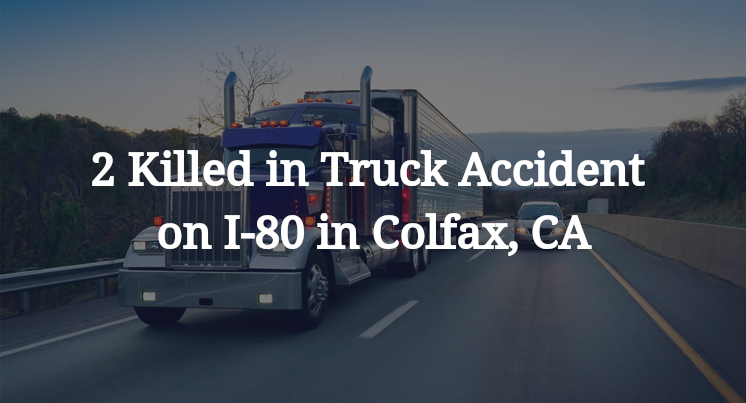
Both people inside the car died in the crash, according to authorities. Their names have not been made public at this time.
The truck driver was not injured in the crash, authorities said.
Authorities have not released any additional information about the Placer County crash at this time. The accident is still under investigation.
Commentary by Attorney Michael Grossman
When people hear about a wrong-way crash involving a passenger car and an 18-wheeler, the first question that comes to mind is usually some version of, “How does something like that happen?” That’s exactly the right place to start, because until we know how and why the car ended up going the wrong way on the highway, we can’t begin to understand who, if anyone, might bear legal responsibility.
Right now, it’s not clear whether the truck driver had any opportunity to avoid the crash. We don’t yet know whether the wrong-way vehicle entered the highway just moments before impact or if it had been going the wrong way for some distance. That timing matters a lot. If the truck driver had a reasonable chance to respond and didn’t, that could raise questions about reaction time, distraction or even speed. But if the wrong-way vehicle appeared suddenly — say, coming out of an exit ramp — there may have been little anyone could have done.
Those are just examples of what still needs to be sorted out. The only way to do that is through a thorough investigation. Black box data from the truck can help show how fast it was going, whether the brakes were applied and what steering inputs were made. In-cab cameras, if available, can help clarify whether the driver saw the car in time or was focused elsewhere. Cell phone records might tell us if either driver was on the phone in the moments leading up to the crash.
And while the early reports focus on the wrong-way car, it’s important not to overlook the role the trucking company may have played. Was the truck driver properly rested? Was the vehicle in good working order? What policies does the company have in place to monitor driver safety and response readiness? These questions may not turn up anything of concern, but they need to be asked all the same.
From my experience, the real answers in cases like this don’t come from assumptions or early headlines. They come from evidence. Until that evidence is gathered and reviewed, we don’t know who, if anyone, should be held accountable.
Key Takeaways:
- It’s not yet clear how or why the car was going the wrong way, or whether the truck driver had time to react.
- Critical evidence like dash cams, black box data and phone records will be essential to understanding what happened.
- The trucking company’s role — through driver oversight, rest policies or training — should also be part of the investigation.
- Assumptions based on limited early reports can lead to false conclusions; the goal is to follow the evidence wherever it leads.
- Accountability depends on gathering all the facts, not just relying on who appears to be at fault initially.

 call us
  Email Us
  Text us