
Dripping Springs, TX — September 12, 2025, a man was injured due to a motorcycle accident at approximately 1:00 a.m. along Martin Road (C.R. 188).
According to authorities, a 28-year-old man was traveling on a southbound Yamaha motorcycle on Martin Road in the vicinity north of U.S. Highway 290 when the accident took place.
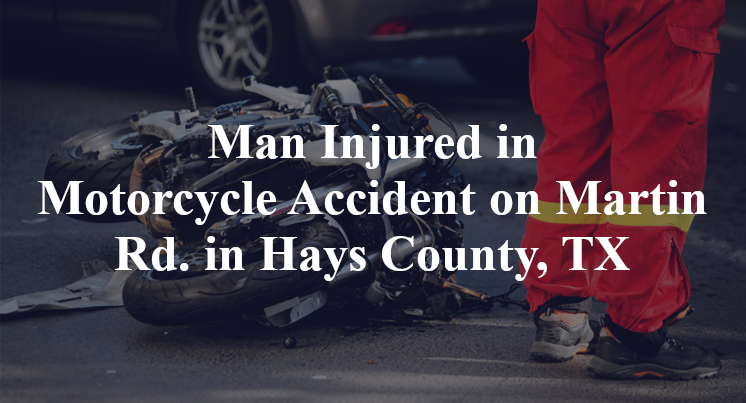
Officials indicate that, for reasons yet to be confirmed, the motorcycle took faulty evasive action. It was consequently involved in a single-vehicle collision. The man reportedly sustained serious injuries over the course of the accident. Additional details pertaining to this incident—including the identity of the victim—are not available at this point in time. The investigation is currently ongoing.
Commentary by Attorney Michael Grossman
When a motorcycle crash happens in the middle of the night and leaves the rider seriously hurt, the focus often lands on the rider’s decisions. But that’s only part of the equation. A sudden evasive maneuver—especially one that ends in a crash—raises deeper questions about what triggered it in the first place.
Did the authorities thoroughly investigate the crash?
If the rider attempted to avoid something, the natural follow-up is: what was it? Did investigators look for signs of an animal crossing, debris in the road, or another vehicle nearby? Were skid marks or steering angles documented to help reconstruct the rider’s reaction? On a rural road like Martin, anything from loose gravel to a slow-moving vehicle could’ve forced a last-second decision. If that detail is overlooked, the crash could be wrongly chalked up to inexperience or error.
Has anyone looked into the possibility that a vehicle defect caused the crash?
Not all loss-of-control situations start with the road. If the Yamaha motorcycle had an issue—like a front brake lockup, suspension failure, or tire defect—it could have turned a routine correction into a crash. Even something as subtle as a faulty throttle sensor could create a dangerous overreaction. These kinds of failures aren’t always obvious afterward, and without a mechanical inspection, they may go completely unnoticed.
Has all the electronic data relating to the crash been collected?
Some motorcycles, including newer Yamaha models, store limited performance data—like speed, gear position, throttle use, and brake pressure. If available, that information can show whether the rider attempted to slow or steer before losing control. Local surveillance footage is less likely in a rural area, but any nearby cameras—even private security—could offer useful insight into the moments leading up to the crash.
When a motorcyclist takes evasive action and ends up in the hospital, the real story isn’t just about the move they made—it’s about what forced it. Understanding that difference is the only way to get to the truth.
Key Takeaways
- Rider evasive maneuvers need to be investigated for possible road or environmental triggers.
- Mechanical failures may cause or worsen sudden reactions and should be ruled out through inspection.
- Available vehicle data can help reconstruct the rider’s inputs and how the bike responded.

 call us
  Email Us
  Text us