
Gaines County, TX — October 15, 2024, three people were injured in a motorcycle accident at about 10:10 p.m. on County Road 347 east of Hobbs, N.M.
A preliminary accident report indicates three motorcycles were heading south from U.S. Route 62 when the lead motorcycle lost control after hitting a “divot” in the road. The 2024 Honda motorcycle veered into a 2025 Kawasaki motorcycle, which was also hit by a 2015 Honda motorcycle. The first two motorcycles ended up in the ditch, while the third came to rest on the road.
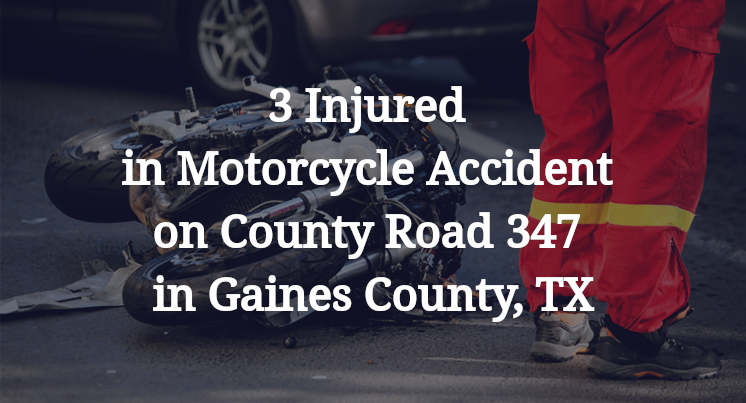
All three riders — two 21-year-olds and a 20-year-old from Hobbs — suffered serious injuries in the crash, according to the report. Their names have not been made public at this time.
Authorities have not released any additional information about the Gaines County crash.
Commentary by Attorney Michael Grossman
When multiple motorcyclists are seriously injured in a single incident, particularly one that appears to stem from a roadway defect, it’s critical that investigators go beyond basic reporting and conduct a thorough, evidence-based review. As with all serious crashes, the investigation must begin by asking three essential questions: Did the authorities thoroughly investigate the crash? Has anyone considered whether a vehicle defect contributed to the incident? And has all the electronic data relevant to the crash been collected and preserved?
The reported cause, a “divot” in the road, immediately raises concerns about the condition and maintenance of the roadway. At 10:10 p.m., visibility is limited, and a surface irregularity that might be manageable in daylight can become a serious hazard at night, especially for motorcyclists. A proper investigation should include detailed documentation of the roadway, including measurements of the defect, lighting conditions, signage and whether there were any warnings in place. It should also determine whether the surface complied with applicable safety standards for public roads. Road defects are not simply unfortunate. They can reflect systemic maintenance failures, and if that’s the case, those responsible need to be held accountable.
The second question, whether a mechanical defect played a role, should not be overlooked just because the crash appears to have been triggered by the roadway. Each motorcycle involved should be thoroughly inspected. A sudden braking response to an unexpected bump or divot can stress a bike’s suspension, steering, and braking systems. If any of those components were already compromised or failed during the incident, the damage could have been compounded. Particularly with one of the motorcycles being a brand-new 2025 model, there’s a legitimate need to verify that no manufacturing defect contributed to a loss of control. The same applies to the 2015 Honda, which may be subject to age-related wear or overlooked maintenance issues.
Lastly, the importance of collecting and analyzing electronic data cannot be overstated. While motorcycles don’t always store as much data as cars, newer models like the 2024 Honda and 2025 Kawasaki may contain onboard diagnostics, GPS and even ride-by-wire system logs that could provide insight into speed, throttle and braking behavior just before the crash. Helmet cameras, mobile phones or external GPS devices can also serve as vital sources of information. All of this data helps establish a more precise timeline of events and may clarify whether rider input or mechanical issues contributed to the outcome.
When three riders suffer serious injuries due to what appears to be a hazard in the road, the investigation must go far beyond identifying the immediate cause. A complete review should consider the condition of the road, the reliability of the machines and the data that can objectively reconstruct what happened. Only by asking the right questions and demanding a full accounting can we ensure that the true causes are identified, and that those affected by the crash get the answers they deserve.

 call us
  Email Us
  Text us