
Kaufman County, TX — September 13, 2025, a man was injured in a motorcycle accident shortly after 10:15 p.m. along Farm to Market 148.
According to authorities, a 23-year-old man was traveling on a southwest bound Yamaha motorcycle on F.M. 148 in the vicinity northeast of the Tejas Drive intersection when the accident took place.
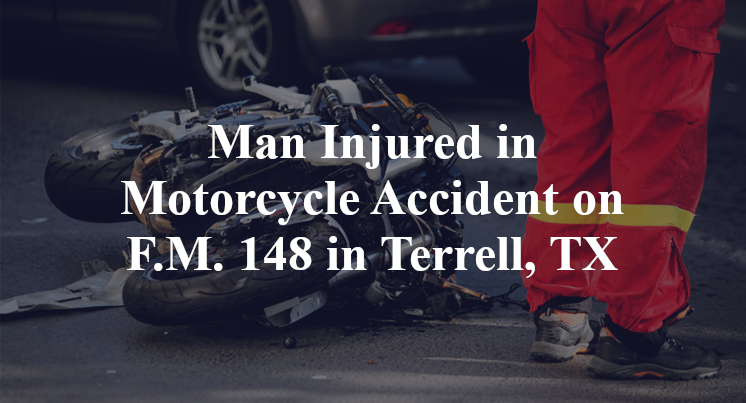
Officials indicate that, for reasons yet to be confirmed, the motorcycle was involved in a single-vehicle collision in which it apparently struck a curb. The man reportedly sustained serious injuries over the course of the accident. Additional details pertaining to this incident—including the identity of the victim—are not available at this point in time. The investigation is currently ongoing.
Commentary by Attorney Michael Grossman
When a rider crashes a motorcycle without any other vehicles involved, many assume the cause is obvious—speed, inexperience, or distraction. But those assumptions often overlook critical mechanical or environmental factors that could have played a role. Especially when serious injuries result, the goal must be to understand what really happened.
Did the authorities thoroughly investigate the crash?
A single-motorcycle crash at night should trigger a careful scene review. Did investigators measure the location and angle of impact with the curb? Were skid marks or debris examined to determine whether the rider tried to swerve or brake? Was lighting in the area sufficient to allow the rider to see hazards in time? Without detailed scene documentation, the conclusion may rest too heavily on assumption rather than evidence.
Has anyone looked into the possibility that a vehicle defect caused the crash?
Motorcycles rely heavily on responsive handling and proper mechanical function. A steering lockup, brake failure, or suspension issue could cause a rider to lose control suddenly—especially during a lean or turn. Even tire issues, like a blowout or pressure drop, can lead to loss of stability. If the Yamaha wasn’t inspected after the crash, any mechanical failures may have gone unnoticed, leaving out a key factor in understanding the cause.
Has all the electronic data relating to the crash been collected?
Many newer motorcycles are equipped with electronic control units that may store data such as speed, throttle position, brake application, and lean angle. This information can help determine whether the rider was making normal inputs or if something went wrong in the moments before impact. If any surveillance or dashcam footage exists nearby, it might also shed light on how the crash developed. Without this data, the full picture stays incomplete.
When a motorcyclist ends up seriously injured in a crash with no other vehicles involved, it’s not just about what the rider did. It’s about whether the machine, the conditions, or something else made that crash unavoidable.
Key Takeaways
- Single-motorcycle crashes require detailed scene and vehicle movement analysis.
- Mechanical failures can trigger sudden loss of control and must be ruled out through inspection.
- Onboard data and any nearby video footage can clarify the rider’s inputs and the crash sequence.

 call us
  Email Us
  Text us