
Randall County, TX — April 24, 2025, a Canyon man was injured in a motorcycle accident at about 10:30 p.m. on U.S. Route 60.
A preliminary accident report indicates that a 2001 Honda motorcycle was headed north near the junction with Interstate 27 when it crashed into a concrete traffic barrier.
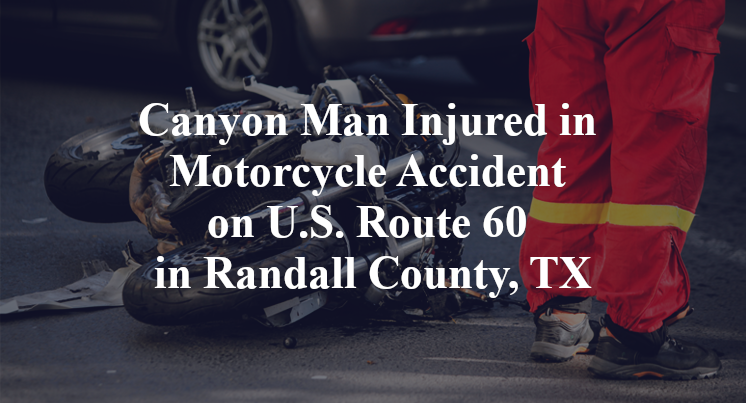
The motorcyclist, a 34-year-old Canyon man, was seriously injured in the crash, according to the report. His name has not been made public at this point.
Authorities have not released any additional information about the Randall County crash.
Commentary by Attorney Michael Grossman
When I read about a crash like this, my first thought is that I hope the injured motorcyclist is receiving the care he needs and that investigators are examining every possible factor that might have contributed to the incident. A motorcycle striking a concrete barrier at night on a highway is a serious event, and understanding what caused it requires more than a surface-level explanation. To fully understand what happened on U.S. Route 60, we need to ask three critical questions.
First, did the authorities thoroughly investigate the crash? At 10:30 p.m., lighting and visibility are key concerns. Was the barrier clearly marked and adequately illuminated? Was the signage leading up to the junction clear and visible, and was the road surface in good condition? Motorcycles are far more vulnerable to poor lighting, sharp transitions or unexpected barriers than other vehicles, and a full assessment of the roadway environment is necessary to determine whether the motorcyclist had a fair chance to see and react to the obstacle in time.
Second, has anyone looked into whether a mechanical failure on the motorcycle may have contributed to the crash? The 2001 Honda involved is over two decades old, and it’s important to examine whether worn tires, suspension issues, brake failure or other maintenance-related factors could have played a role in the crash. Older motorcycles are particularly sensitive to even small mechanical faults, and the margin for error is limited, especially at highway speeds. Additionally, investigators should confirm whether the rider’s protective equipment, such as a helmet and gear, functioned properly and helped reduce the severity of the injuries.
Finally, has all the electronic and physical data related to the crash been collected? While a 2001 motorcycle is unlikely to have a modern event data recorder, it may still yield important physical evidence such as tire marks, impact points and final rest location. Investigators should also check for any available surveillance or traffic camera footage from the area. If GPS data from a smartphone or tracking device was active, that could also help reconstruct the motorcyclist’s movements leading up to the crash.
Single-vehicle motorcycle crashes are often written off as rider error, but they deserve just as much scrutiny as any other serious incident. A man suffered serious injuries, and determining whether the crash was avoidable — due to environmental, mechanical or other factors — is critical for understanding the true cause and identifying whether any changes could prevent future harm. That process starts with asking the right questions and securing the evidence needed to answer them.

 call us
  Email Us
  Text us