
Bexar County, TX — March 15, 2025, a man was injured due to a motorcycle accident at approximately 1:30 a.m. along Interstate Highway 10.
According to authorities, a 30-year-old man was traveling on an eastbound Suzuki motorcycle on I.H. 10 in the vicinity south of Crossroads Boulevard when the accident took place.
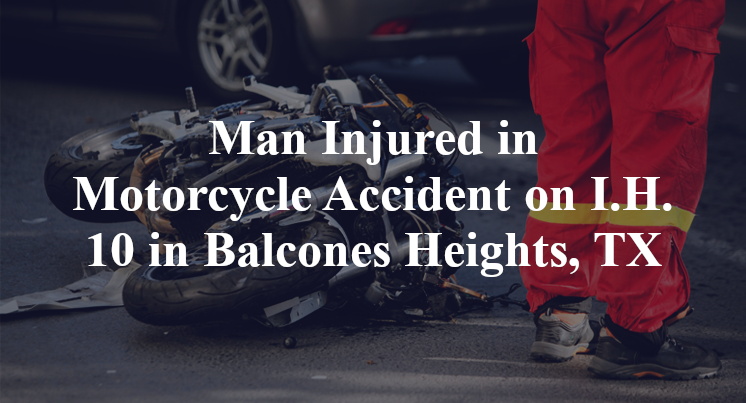
Officials indicate that, for as yet unknown reasons, the motorcycle was involved in a single-vehicle collision in which it apparently struck a median barrier. The man reportedly sustained serious injuries over the course of the accident. Additional details pertaining to this incident—including the identity of the victim—are not available at this point in time. The investigation is currently ongoing.
Commentary by Attorney Michael Grossman
After a serious motorcycle crash, especially one with no other vehicles directly involved, it’s natural to wonder whether everything that could be known about the incident will actually come to light. Motorcycle accidents are often quickly labeled as rider error, but that assumption can leave crucial pieces of the story buried.
Did the authorities thoroughly investigate the crash?
With only one vehicle involved, it’s easy for investigators to treat the crash as straightforward. But motorcycles react differently than cars—small changes in surface, balance, or speed can lead to major consequences. That makes it even more important for crash scene teams to take detailed measurements, reconstruct what happened second by second, and evaluate the rider’s conduct beforehand. Not all departments have the training or resources for this level of work, and without it, key details about how and why the rider lost control could remain unknown.
Has anyone looked into the possibility that a vehicle defect caused the crash?
Motorcycle performance depends on precise mechanical balance. Brake fade, throttle issues, steering wobble, or a tire defect could all result in a crash that looks like a simple mistake from the outside. Unfortunately, it’s rare for bikes to get the same level of post-crash inspection as larger vehicles. If no one conducted a teardown or looked into potential part failures, there’s no way to rule out whether a defect contributed to the wreck.
Has all the electronic data relating to the crash been collected?
While motorcycles don’t always have the same depth of onboard data as cars, many newer models—including those from Suzuki—store at least basic telemetry. Paired with phone data, GPS logs, or highway cameras, this information can show speed, lean angle, or whether the rider attempted to correct or brake before impact. If no one’s gathered that data yet, the window to recover it may already be closing.
When a crash happens in the early hours of the morning, with few witnesses and limited visibility, there’s a real risk that important context gets lost. That’s why it’s essential to press for every detail to be uncovered—not just for the sake of answers, but for what those answers might reveal about hidden risks others could face.
Takeaways:
- Single-vehicle motorcycle crashes still need full investigation—rider error isn’t always the cause.
- Mechanical failures can be easily overlooked without a post-crash inspection.
- Data from onboard systems, phones, or cameras can clarify what really happened, if it’s gathered in time.

 call us
  Email Us
  Text us