
Middleborough, MA — August 2, 2024, Malcolm White was killed as the result of a truck accident at around 11:30 a.m. on Interstate 495.
Massachusetts State Police say that the accident happened in the area of Exit 12 for Bedford Street/Route 28.
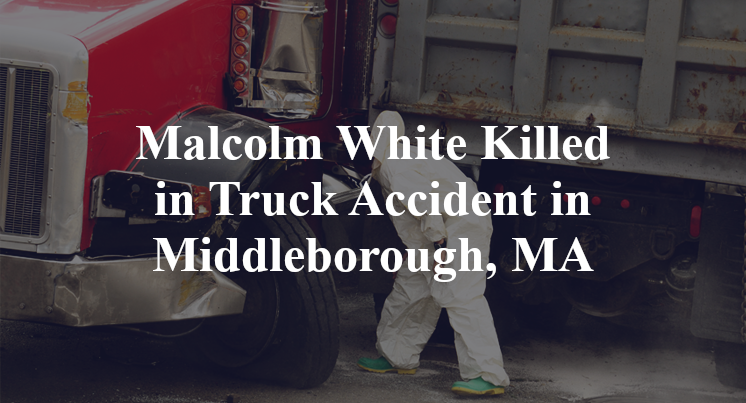
According to officials, 71-year-old Malcolm White was in a vehicle going northbound on the interstate. As traffic slowed, authorities say that an approaching tractor-trailer failed to slow down in time, striking White and multiple other vehicles. As a result, White was killed. One other person reportedly had minor injuries.
Currently, there are no other confirmed details about what led to the crash.
Commentary by Attorney Michael Grossman
It’s always possible an unavoidable circumstance, like a sudden medical emergency or unexpected road hazard, caused this crash. What’s more likely, though, is that a mistake led to the 18-wheeler crashing into traffic. Let’s say, for example, evidence shows that’s what happened here. While it would seem straightforward to hold the truck driver accountable, such cases are rarely open-and-shut. The complexity of commercial vehicle accident investigations often reveals deeper issues that a typical crash investigation won’t likely address on its own.
For instance, investigators must consider if the driver was under pressure from their employer to meet unrealistic deadlines. Tight schedules can force drivers to cut corners, drive recklessly, or push through fatigue—all significant factors in many crashes. I’ve seen cases where drivers face severe penalties for being late, pushing them to prioritize speed over safety. This isn’t just a driver problem; it’s a systemic issue within some trucking companies that can lead to deadly consequences.
Moreover, other operational issues could play a role. Was the driver adequately trained and experienced? Some companies rush drivers through training or hire those with a history of reckless driving, just to fill seats. Additionally, neglecting routine maintenance can lead to mechanical failures, such as brake issues or tire blowouts, that could prevent a driver from stopping in time. Authorities sometimes write off these mechanical issues as unavoidable when a thorough check of the company’s maintenance records would show the issues were known and preventable but for the company’s laziness or greed.
Ultimately, digging into these kinds of details can be crucial not just for accountability but also for the safety of others. Companies that engage in reckless practices generally continue to do so until they face consequences significant enough to get them to clean up their act. Again, perhaps the factors leading to this crash won’t be so complex. In my experience, though, it’s best to prepare for those potential challenges regardless. The worst case scenario of an abundance of caution is simply ruling out important possible factors that less thorough investigations risk missing entirely.

 call us
  Email Us
  Text us