
Canyon Lake, TX — October 21, 2025, Cory Watts was injured due to a motorcycle accident at approximately 10:15 p.m. along Farm to Market 306.
According to authorities, 50-year-old Cory Watts was traveling on a northwest bound Harley-Davidson motorcycle on F.M. 306 in the vicinity southeast of the Canyon Acres intersection when the accident took place.
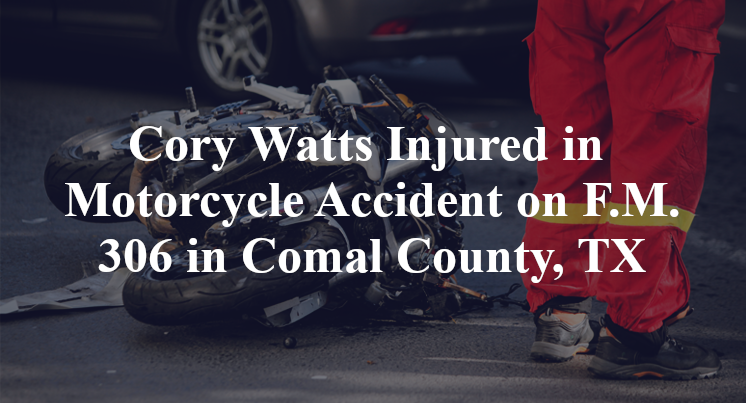
Officials indicate that, for reasons yet to be confirmed, the motorcycle was involved in a single-vehicle collision in which it apparently overturned. Watts reportedly sustained serious injuries over the course of the accident. Additional details pertaining to this incident are not available at this point in time. The investigation is currently ongoing.
Commentary by Attorney Michael Grossman
A motorcycle going down late at night often gets shrugged off as a rider misjudging a curve or losing balance, but that kind of thinking can obscure the very issues that need to be uncovered. When a crash ends with serious injuries and no clear explanation, it deserves more than assumptions.
1. Did the authorities thoroughly investigate the crash?
Single-vehicle motorcycle wrecks are often closed quickly, especially when they occur without any other traffic involved. But with serious injuries on the line, that approach risks missing vital context. Was the scene properly documented? Did investigators trace the bike’s path, examine road surface conditions, and look for any signs of mechanical distress or evasive action? These details can reveal whether the crash was really about rider control—or something more unexpected.
2. Has anyone looked into the possibility that a vehicle defect caused the crash?
With a heavy touring bike like a Harley-Davidson, even a minor mechanical fault can quickly lead to a loss of balance or control. A brake lock-up, steering issue, or suspension failure could all cause a sudden overturn—especially at night when reaction time is limited. These aren’t issues you can spot from a roadside glance. A proper inspection is needed to rule out whether the bike itself contributed to the crash.
3. Has all the electronic data relating to the crash been collected?
While not every motorcycle carries extensive electronic tracking, many modern Harleys are equipped with systems that record diagnostic information. If that data was preserved, it might show speed, braking behavior, or signs of a system malfunction. If the rider had a phone or connected device with them, GPS or accelerometer data could also help reconstruct what happened. This kind of digital evidence is often the only objective witness in a late-night solo crash.
A motorcycle tipping over at night may not sound complicated, but when someone’s seriously hurt, “simple” just isn’t good enough. The truth is in the details—and it’s on someone to go find them.
Takeaways:
- Single-motorcycle crashes still need full investigation, especially when injuries are serious.
- Mechanical failures on bikes can quickly turn routine rides into dangerous situations.
- Diagnostic or GPS data from the bike or rider may help explain what led to the crash.

 call us
  Email Us
  Text us