
Ellis County, TX — May 11, 2025, one person was killed and five others were injured in a single-car accident at approximately 11:30 a.m. along U.S. Highway 287.
According to authorities, two people—a 29-year-old man and an infant boy—were traveling in a southeast bound Nissan Altima on U.S. 287 in the vicinity northwest of the Kimble Road intersection when the accident took place.
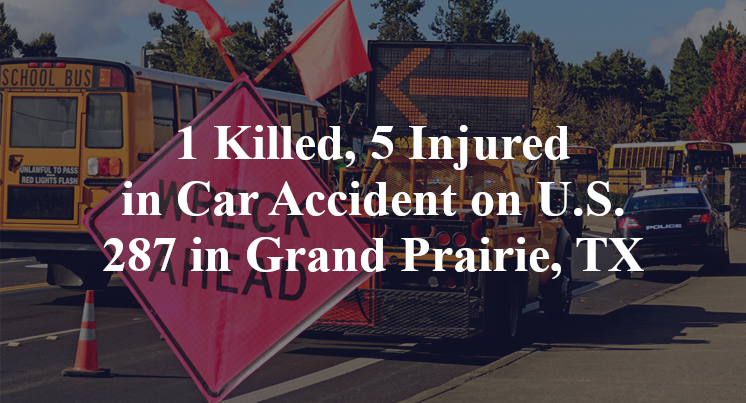
Officials indicate that, for as yet unknown reasons, the Altima was traveling in the wrong direction, going southeast in the northwest bound lanes. A head-on collision followed involving a northwest bound Dodge Ram 1500 pickup truck occupied by five people.
Reports state that the man who had been behind the wheel of the wrong-way vehicle suffered fatal injuries due to the wreck. The baby who had been with him in the Altima sustained serious injuries, as well. All four passengers from the pickup truck received minor injuries, as well, according to reports, though the driver was apparently unhurt.
Additional details pertaining to this incident—including the identities of the victims—are not available at this point in time. The investigation is currently ongoing.
Commentary by Attorney Michael Grossman
After a crash like this, I think most people focus on the shock of someone driving the wrong way and the terrible consequences that followed. But what’s often missing is a closer look at why the vehicle was on the wrong side of the road to begin with. That question—and others like it—can help us move from confusion to clarity.
First, did the authorities thoroughly investigate the crash? When a vehicle is driving the wrong way on a divided highway in broad daylight, it raises serious questions about how that happened. Was there a confusing or poorly marked entrance ramp? Could construction or missing signage have led the driver to enter the highway incorrectly? Did the driver become disoriented due to a medical event or an obstruction? These are not uncommon issues, especially near intersections like Kimble Road. A full investigation should include roadway design, signage, and conditions at the point where the wrong-way movement began.
Second, has anyone looked into the possibility that a vehicle defect caused the crash? In some cases, vehicle systems fail in ways that don’t immediately seem obvious. Could the steering have locked up or the brakes failed, making it impossible for the driver to correct direction? It’s also worth considering whether the car’s safety systems—like lane departure warnings or navigation alerts—failed to notify the driver that something was wrong. These systems exist to help prevent exactly this kind of error, and when they don’t work, it can turn a mistake into a fatal outcome.
Third, has all the electronic data relating to the crash been collected? A Nissan Altima would likely have recorded key data in the moments before the crash—things like speed, steering input, and brake use. That data can help determine whether the driver took any action to correct the vehicle’s direction or if they were unaware of the situation entirely. Additionally, this kind of data may support or rule out mechanical failures. If any video footage exists from nearby traffic cameras, dash cams, or businesses, that could help piece together where the wrong-way travel began and whether anything about the roadway played a role.
Head-on collisions like this one are some of the most dangerous kinds of crashes, especially when multiple people and a child are involved. The only way to prevent these kinds of incidents from happening again is to look deeper than just the surface facts and ask questions that many investigations overlook.
Takeaways:
- Wrong-way driving on highways should trigger close reviews of signage, road design, and visibility at nearby intersections.
- Potential mechanical or system failures in the vehicle must be investigated to rule out defects.
- Electronic crash data and video footage can clarify driver actions and roadway influence leading up to the crash.

 call us
  Email Us
  Text us