
Conroe, TX — June 11, 2025, One person was killed and two were injured following a car accident at around 7:00 A.M. on W. Wally Wilkerson Pkwy.
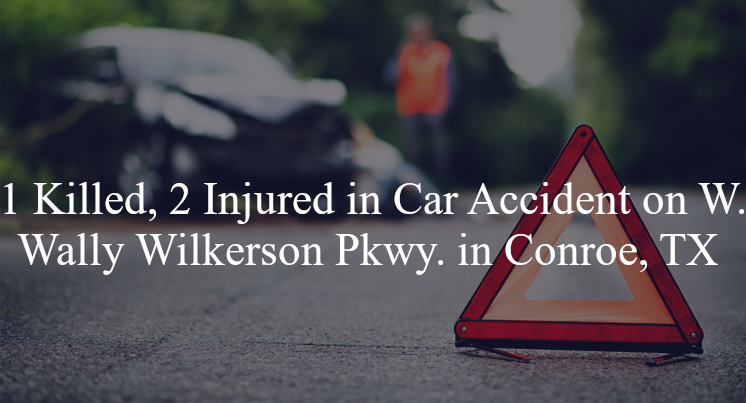
According to official reports, a head-on collision between a Chevy SUV and a GMC 2500 pickup truck occurred on West Wally Wilkerson Parkway, however the cause of the crash is til being determined.
When first responders arrived on the scene they found the driver of the Chevy, a 27-year-old man, deceased, while the SUV’s passenger and the driver of the GMC were taken to the hospital in unknown conditions. The identities of those involved have not been released and this remains an ongoing investigation.
Commentary by Attorney Michael Grossman
When two vehicles collide head-on, especially on a non-divided roadway, the result is often catastrophic. But the key question is never just what happened—it’s why the crash occurred in the first place. Without that answer, the full picture remains incomplete.
1. Did the authorities thoroughly investigate the crash?
A head-on collision involving serious injury and loss of life requires far more than routine documentation. Investigators should be reconstructing the approach path of both vehicles, determining if one crossed the centerline, and assessing whether either driver attempted to avoid the crash. This kind of analysis requires precise measurement tools and enough time on scene to collect all the relevant data. If the investigation doesn’t go that far, there’s a risk that conclusions will be drawn without the necessary evidence.
2. Has anyone looked into the possibility that a vehicle defect caused the crash?
When a driver suddenly veers into an opposing lane, the question of mechanical failure must be on the table. Did either vehicle suffer a steering issue, brake failure, or tire blowout? These types of malfunctions can occur without warning—and without obvious signs in the wreckage. A full post-crash inspection of both the Chevy and the GMC is essential to rule out these possibilities.
3. Has all the electronic data relating to the crash been collected?
Both vehicles likely recorded key information in the seconds leading up to the crash: speed, steering input, and braking activity. Reviewing this data, alongside GPS positioning and any camera footage from nearby properties or traffic systems, can help clarify the exact sequence of events. If that data isn’t preserved early, it may never be available when it’s needed most.
A head-on crash is never just a headline—it’s a chain of moments that needs to be understood piece by piece. Real answers depend on whether those responsible for investigating are willing to follow the evidence wherever it leads.
Takeaways:
- Full reconstruction is vital in head-on collisions to determine lane positions and timing.
- Mechanical failures like steering or brake issues must be ruled out through proper inspections.
- Onboard vehicle data can confirm what each driver did—and when—in the moments before impact.

 call us
  Email Us
  Text us