
Eastland, TX — September 26, 2025, Betty Browning and one other were injured after an 18-wheeler accident around noon on I-20.
Initial details about the crash say that it happened at the intersection of I-20 and Main Street.
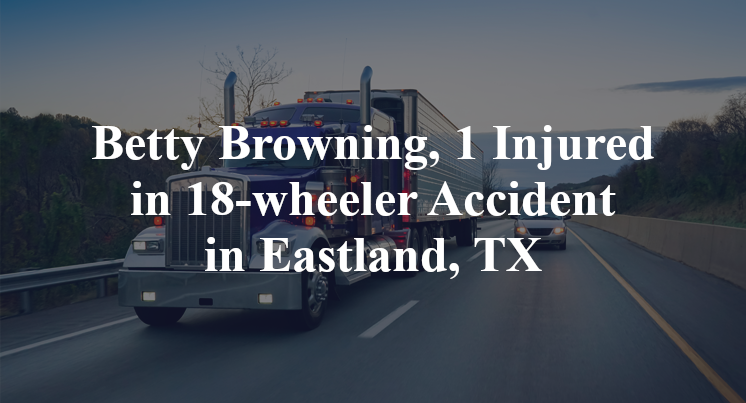
According to officials, 82-year-old Betty Browning was a passenger in a Lincoln Navigator going westbound on the interstate. The Lincoln was among others in traffic when, authorities say, a Freightliner tractor-trailer failed to control speed and crashed into multiple vehicles.
Due to the chain-reaction crash, Betty Browning reportedly was seriously injured. A 61-year-old passenger in a GMC Sierra also had serious injuries. Authorities recommended a citation for the Freightliner driver. No further information is available at this time.
Commentary by Attorney Michael Grossman
When a semi-truck plows into a line of traffic, it’s easy to point the finger at the driver for failing to control speed. But as straightforward as that may sound, the real story often requires a closer look—not just at what happened, but why it happened in the first place.
In commercial trucking, a rear-end collision like this can point to issues beyond just what happened in the moments immediately surrounding the crash. For example, a driver who was exhausted after too many hours behind the wheel can make mistakes. The crash could involve distraction from onboard technology or dispatch systems. Or, it could reflect pressure from an employer to make deliveries on a tight schedule, even if that means cutting corners on safety.
I’ve seen cases where drivers involved in similar crashes had been on the road far too long, ignored signs of fatigue, or worked for companies that looked the other way when it came to safety violations. That’s why a citation for “failure to control speed” may not answer all the important questions—it just raises more of them.
To get to the truth, investigators should review not only the black box data from the truck, but also the driver’s logbooks, communication with dispatch, and the company’s overall safety practices. If this crash happened because of decisions made higher up the chain, then holding just the driver responsible likely won’t stop it from happening again.
Key Takeaways
- Failing to control speed is often a symptom of deeper safety issues behind the scenes.
- Trucking companies may contribute to crashes through poor scheduling, oversight, or training.
- Investigations should go beyond citations to examine logs, dispatch pressure, and company practices.
- Rear-end collisions involving commercial trucks often reflect systemic, not just individual, failures.
- True accountability means asking why a mistake happened—not just who made it.

 call us
  Email Us
  Text us