
San Patricio County, TX — June 24, 2025, Angela Boose was injured in a motorcycle accident at approximately 11:00 p.m. along State Highway 35.
According to authorities, 51-year-old Angel Boose was traveling on a northwest bound Harley-Davidson motorcycle on S.H. 35 in the vicinity southeast of Farm to Market 1069 when the accident took place.
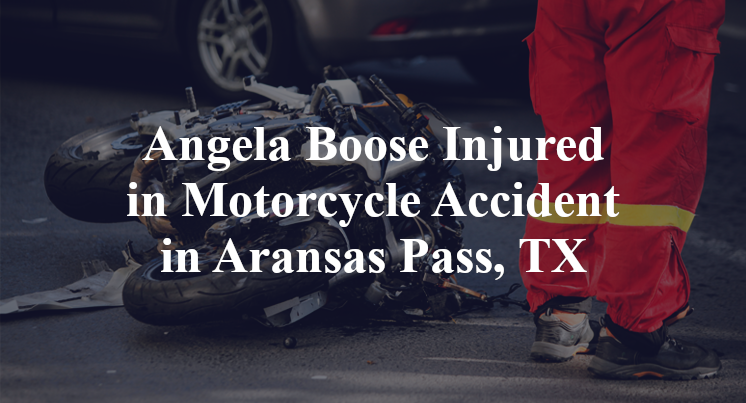
Details surrounding the accident remain scarce. Officials indicate that, for as yet unknown reasons, the motorcycle was involved in a single-vehicle collision in which it apparently overturned. Boose reportedly sustained serious injuries over the course of the accident. Additional information pertaining to this incident is not available at this point in time. The investigation is currently ongoing.
Commentary by Attorney Michael Grossman
Late-night motorcycle crashes often get reduced to assumptions about speed or rider error, but those assumptions can hide more important causes. When someone gets seriously hurt in a single-vehicle incident like this, the investigation has to go deeper than surface-level guesses.
1. Did the authorities thoroughly investigate the crash?
Motorcycle wrecks, especially those that happen alone on a dark highway, are easy to overlook from an investigative standpoint. But the fact that the bike overturned means something went wrong—was that fully documented? Did officers track the bike’s path, look for evasive action, or identify any objects in the roadway? If the crash wasn’t mapped in detail or photographed properly, the opportunity to understand what triggered the loss of control may already be lost.
2. Has anyone looked into the possibility that a vehicle defect caused the crash?
Motorcycles require precision to operate safely, and even a small equipment failure can have serious consequences. Was the Harley’s front fork or suspension compromised? Did a brake seize or fail entirely? A sudden failure in throttle control or steering could easily lead to an overturn, especially at night when reaction time is tight. These systems don’t always show damage from the outside—someone has to examine them specifically to know if they played a role.
3. Has all the electronic data relating to the crash been collected?
Many newer motorcycles include basic data systems that track engine behavior, speed, and braking. If those systems were active and that data was preserved, it might help explain whether the bike was accelerating, swerving, or responding to rider input before the crash. GPS or phone data may also help reconstruct the path and provide context about timing or speed. Without pulling those sources, a large part of the story may never be known.
When the only thing left on the road is an overturned bike and an injured rider, it’s easy to draw conclusions. But serious injuries deserve more than assumptions—they deserve real answers.
Takeaways:
- Single-motorcycle crashes must be carefully documented to understand what caused the loss of control.
- Equipment failures like brake or suspension issues can turn minor errors into major crashes.
- GPS and onboard diagnostics may provide insights into the bike’s behavior before the wreck.

 call us
  Email Us
  Text us