
Austin, TX — March 16, 2025, one person was killed in a car accident at about 8:15 p.m. on the service road for State Highway Loop 1/North Mopac Expressway.
Authorities said a motorcycle and another vehicle were involved in a crash at the intersection of the service road and West Braker Lane.
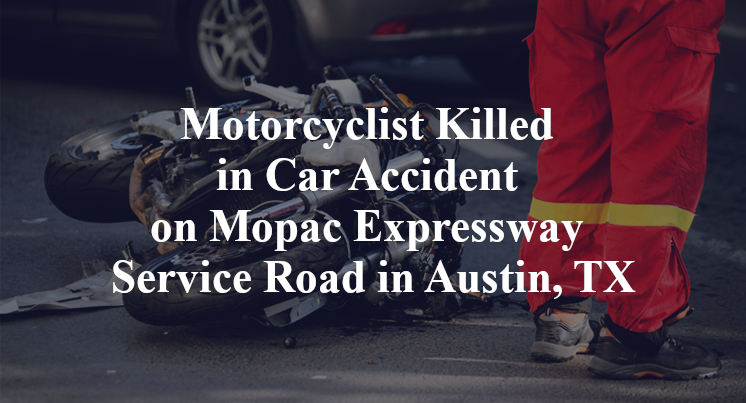
The motorcyclist, whose name has not been made public at this time, died in the crash, according to authorities. Two people in the other vehicle suffered minor injuries.
Authorities have not released any additional information about the crash at this time. The accident is still being investigated.
Commentary by Attorney Michael Grossman
When I read about a crash like this, my first thought is that I hope the motorcyclist’s family gets the answers they deserve. A fatal collision involving a motorcycle and another vehicle at the intersection of the North Mopac Expressway service road and West Braker Lane is a serious matter. While the initial report provides some basic details, it leaves out critical information necessary to understand what truly happened. It’s common for people to assume that motorcycle accidents are straightforward, often attributing them to rider error or excessive speed. However, in my experience, these assumptions can be misleading. To fully comprehend the circumstances of this tragic event, we must ask three key questions.
First, did the authorities thoroughly investigate the crash? Motorcycle accidents require meticulous examination due to the vulnerability of riders and the complexity of crash dynamics. Did investigators conduct a comprehensive accident reconstruction to determine the sequence of events leading up to the collision? Were there any witnesses, and if so, were their statements collected promptly? Did authorities assess the intersection’s lighting conditions, signage and any potential visual obstructions that could have contributed to the crash? A thorough investigation is crucial to uncovering the truth and providing closure to the affected families.
Second, has anyone considered whether a vehicle defect might have contributed to the collision? Mechanical failures, though less common, can play a significant role in accidents. Was the motorcycle inspected for any signs of brake failure, tire issues or other mechanical problems that could have led to a loss of control? Similarly, was the other vehicle examined for potential defects that might have impaired the driver’s ability to avoid the collision? Identifying such factors is essential, as they can influence liability and inform preventive measures for the future.
Finally, has all the electronic data related to the crash been collected? Modern vehicles, including motorcycles, often come equipped with electronic systems that record valuable data. The motorcycle’s engine control module (ECM) could provide insights into the rider’s speed, throttle position and braking behavior before the crash. Similarly, the other vehicle’s data recorder might reveal information about its speed, braking and steering inputs at the time of the collision. Additionally, nearby traffic cameras or surveillance footage from local businesses could offer visual evidence of the incident. Collecting and analyzing this electronic data promptly is vital, as it can degrade or be overwritten over time.
Crashes like this demand a comprehensive and meticulous investigation. A motorcyclist lost their life, and two others sustained injuries. It’s imperative that we move beyond assumptions and diligently seek out all available evidence to understand the true cause of the accident. By asking the right questions and thoroughly examining every potential factor, investigators can provide the clarity and accountability that the victims and their families deserve.

 call us
  Email Us
  Text us