
Dumas, TX — April 9, 2025, Allen Burnett was killed and another person was injured in a truck accident at about 6 p.m. on U.S. Route 287.
Authorities said a 2025 Peterbilt semi-truck hit a 2004 GMC Envoy as it was entering the highway from Success Boulevard.
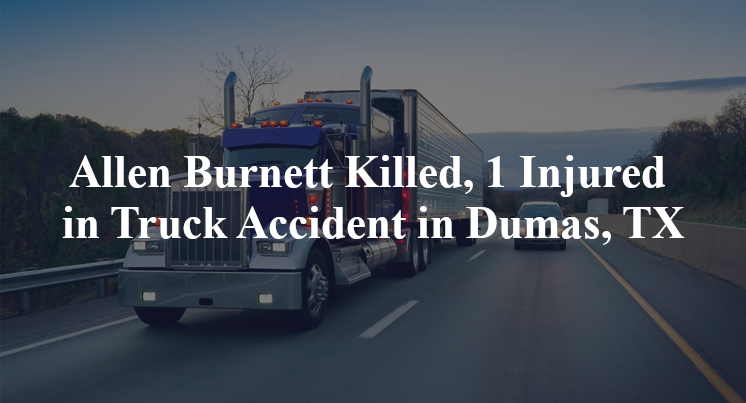
GMC driver Allen Lee Burnett, 68, died after being transported to a local hospital, according to authorities. The truck driver, a 51-year-old man, suffered minor injuries in the crash.
Authorities have not released any additional information about the Moore County crash. The accident is still under investigation.
Commentary by Attorney Michael Grossman
When a passenger vehicle is struck by a semi-truck while entering a highway, as happened here on U.S. Route 287 in Dumas, the focus of any serious investigation should be on right-of-way, visibility and whether either driver had the time and space to avoid a collision. In this case, a GMC Envoy was reportedly hit by a Peterbilt semi-truck while merging from Success Boulevard, resulting in one fatality and injuries to the truck driver.
The legal questions begin with who had the duty to yield. Generally, vehicles entering a highway must yield to through traffic. But that rule assumes the merging driver has a clear line of sight and a reasonable opportunity to judge speed and spacing. If the layout of the on-ramp or merge point is short, poorly marked, or obscured by curves, signage or other vehicles, it could have made it difficult for the GMC driver to accurately gauge when it was safe to enter.
On the truck driver’s side, professional operators are trained to anticipate merging traffic, especially in known access areas like this one. That means adjusting speed, changing lanes if possible and being prepared for slower-moving vehicles entering the roadway. If the truck was moving too fast for the area, or if the driver didn’t attempt to brake or maneuver when the GMC entered the lane, those decisions will factor into any liability analysis.
Investigators will need to examine black box data from the semi-truck to understand speed, braking input and throttle position leading up to the impact. Skid marks, dashcam footage and any surveillance from nearby businesses could also help clarify how long the GMC was in the lane before being struck.
It’s also worth noting the time of day — 6 p.m. — when traffic volumes can vary, and glare or shadowing might have affected visibility. These environmental factors could have made it harder for either driver to react in time, but they don’t erase the responsibilities that come with operating a commercial truck in mixed traffic conditions.
At the end of the day, one person lost their life while trying to enter a public highway, an everyday driving maneuver that should not result in fatal consequences. Whether that outcome was caused by poor road design, misjudgment by the merging driver or a failure by the truck driver to adjust appropriately, those answers matter, not just for accountability, but to prevent others from ending up in the same dangerous situation.

 call us
  Email Us
  Text us