
El Paso, TX — August 27, 2025, one person was injured in a truck accident at about 10:55 a.m. on eastbound Interstate 10 near Lomaland Drive.
Authorities said a semi-truck was involved in a crash with six other vehicles, forcing the closure of all eastbound lanes.
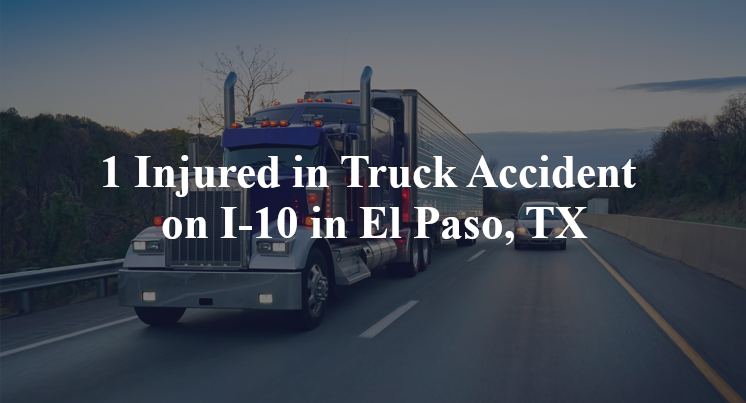
One person was hospitalized with serious injuries after the crash, according to authorities. Five other people suffered minor injuries.
Authorities have not released any additional information about the El Paso County crash at this time.
Commentary by Attorney Michael Grossman
When people hear about a crash involving a semi-truck and six other vehicles, their first question is usually: How does something like that even happen? And rightly so. A crash of this scale doesn’t just happen by chance. It happens because someone, somewhere, failed to do their job.
At this point, there’s not nearly enough information to say who that was. We don’t know whether the truck caused the crash or was just caught up in it. We don’t know if the truck was moving or stopped. We don’t know whether the driver was distracted or if another driver cut him off. All we know is that one person was seriously hurt and several others had minor injuries. That’s enough to raise real concerns, but not enough to draw any conclusions.
To get real answers, investigators need to look beyond the scene. That starts with technology most trucks have on board: engine control modules (which record speed, braking and gear changes), in-cab cameras (which may show what the driver was doing in the moments before impact) and cell phone records (to determine whether the driver was texting or on a call). Without that evidence, we’re left guessing. And in my experience, guessing helps no one.
Another question worth asking is whether the truck should have been on the road at all. Did the company properly screen and train the driver? Were there policies in place to monitor driver behavior or hours-of-service violations? I’ve handled cases where trucking companies cut corners in hiring and oversight—sometimes putting drivers behind the wheel who had no business being there. If that’s the case here, it won’t show up in the crash report. It’ll come out only through careful legal discovery.
Of course, it’s also possible that another vehicle caused the crash and the truck was just collateral damage. If so, investigators still need to know how events unfolded and whether anything could have been done to avoid or minimize the impact. That kind of chain reaction doesn’t start in a vacuum.
Key Takeaways:
- It’s not clear yet whether the semi-truck caused the crash or was caught up in it.
- Determining fault will require evidence beyond the crash scene: black box data, dash cams and cell phone records.
- Driver history, training and company policies may come into play depending on what the investigation uncovers.
- A multi-vehicle pileup like this raises serious questions about coordination, timing and who failed to act when they should have.
- Real accountability only comes once all the evidence is gathered and examined closely.

 call us
  Email Us
  Text us