

Rice County, MN — May 27, 2025, A man was injured following an 18-wheeler accident that occurred at around 4:33 A.M. on Interstate 35.
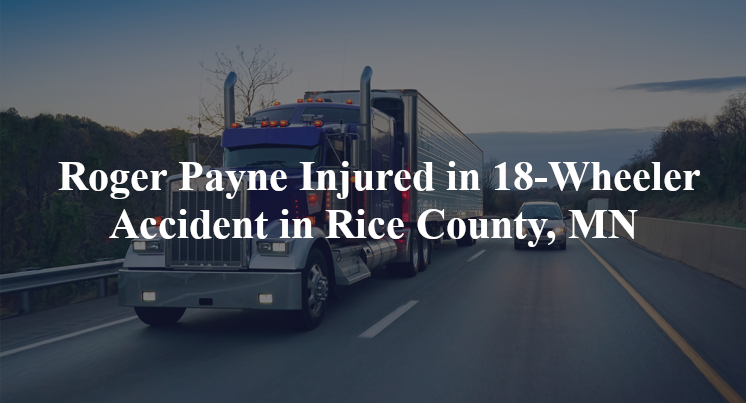
According to official reports, a tractor-trailer operated by Roger Payne was traveling on Interstate 35 on wet road conditions when it lost control and ended up in the median ditch and rolled on its side.
First responders arrived and found Payne had sustained serious injuries and transported him to the hospital via helicopter. It does not appear that any other vehicles were involved in the collision, and authorities have not released the status of the investigation.
Commentary by Attorney Michael Grossman
When people hear that a truck lost control and ended up rolled over in a median, especially during wet weather, it’s natural to wonder: What went wrong? Was it driver error, mechanical failure, or something else? We can’t jump to conclusions without knowing more, but any proper investigation should be asking the same basic question: Why did the truck lose control in the first place?
From what’s been reported, we know the roads were wet, but rain alone doesn’t explain a rollover. Trucks are designed to handle wet conditions if driven appropriately. So we have to ask: Was the driver speeding for the conditions? Was there a sudden maneuver that caused the loss of control? Did something go wrong with the truck’s braking system or steering?
That’s where physical and digital evidence comes in. Investigators should be looking at the truck’s engine control module (ECM)—often called the “black box”—to see what the truck was doing in the moments before it rolled. Was the driver braking hard? Accelerating? Did the truck veer sharply? That data, combined with dash cam footage (if available), can start to piece together the how and why of what happened.
Another key piece is the driver’s record. Did Roger Payne have a clean safety history, or were there warning signs the trucking company should’ve seen? And speaking of the company—what kind of training did they provide for handling slick roads? What was their policy on driving in hazardous weather? These aren’t just academic questions; they go directly to whether this crash was preventable.
Right now, there’s a lot we don’t know. The public report says Payne was seriously injured and flown to the hospital, but doesn’t mention whether he gave a statement or what the official investigation has turned up so far. If no other vehicles were involved, it may seem like a one-man accident—but that doesn’t mean Payne is the only person or entity that needs scrutiny.
Key Takeaways:
Without the facts, we can’t say who’s at fault—but the goal should be finding answers, not assigning blame prematurely.
Wet roads alone don’t cause crashes; how a truck is operated in those conditions is what matters.
ECM data, dash cams, and company training policies are essential to understanding what caused the truck to roll over.
Driver history and company hiring practices may come into play, especially if there were known safety issues.
A full investigation is needed to determine whether this was truly an unavoidable accident—or a preventable one.
 call us
  Email Us
  Text us