
South Bend, IN — July 1, 2025, one person was injured following a bus accident at approximately 9:00 p.m. along Main Street.
According to authorities, the accident took place on Main Street in the vicinity of the Marion Street intersection.
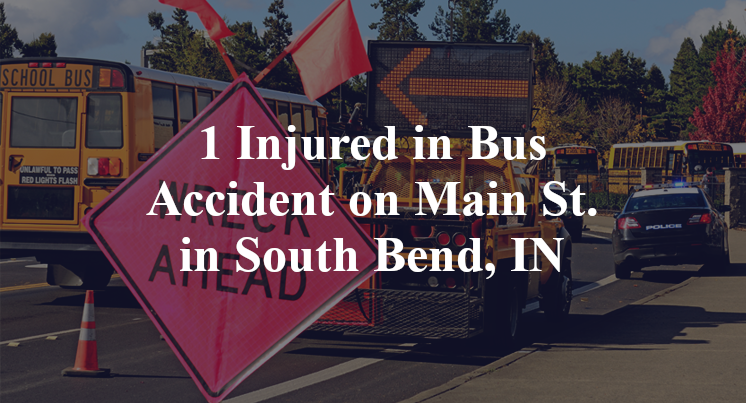
Officials indicate that, allegedly due to the driver falling asleep, the bus failed to safely maintain its lane of travel. It was consequently involved in a single-vehicle collision in which it apparently crashed into a tree. One person who had been a passenger on the bus sustained injuries of unknown severity and was transported to a local medical facility by EMS in order to receive necessary treatment. Additional details pertaining to this incident—including the identity of the victim—are not available at this point in time. The investigation is currently ongoing.
Commentary by Attorney Michael Grossman
When a city bus veers off the road and crashes into a tree—reportedly because the driver fell asleep—the most important question isn’t just why did this happen, but why was the driver in that condition behind the wheel to begin with? Fatigue doesn’t come out of nowhere. It builds over time, and it’s something that transit agencies are required to anticipate and manage.
If the driver fell asleep on the job, that suggests a serious breakdown somewhere in the system. Was the driver working excessive hours or back-to-back shifts? Were they reporting signs of fatigue that went ignored? Were there gaps in the agency’s scheduling or oversight procedures that allowed someone who wasn’t fit for duty to operate a passenger vehicle at night through city streets?
In cases I’ve handled, falling asleep at the wheel often turns out to be a management problem disguised as a driver error. Yes, the driver is responsible for operating the vehicle safely—but the agency is responsible for making sure drivers are well-rested, properly scheduled, and not put in a position where nodding off becomes inevitable. That includes tracking hours, enforcing rest periods, and intervening when drivers report being too tired to work.
There’s also the issue of in-vehicle monitoring. Many buses today are equipped with onboard cameras or fatigue-detection systems. If that technology was available, the question becomes whether it was being used effectively—and whether it could have provided an early warning before the bus left its lane. Even without technology, training and internal reporting systems should encourage drivers to speak up before fatigue becomes dangerous.
And finally, the design of the route and the time of day are factors. At 9:00 p.m., visibility is limited, passenger loads can fluctuate, and traffic patterns are more variable. That doesn’t excuse what happened, but it’s a reminder that the operating environment makes fatigue management all the more important.
Key Takeaways
- A reported instance of the bus driver falling asleep points to possible failures in shift scheduling, supervision, or fatigue monitoring.
- Transit agencies have a duty to manage driver workload and ensure no one is placed behind the wheel while dangerously fatigued.
- Onboard monitoring tools—if installed—may provide insight into whether warning signs were missed or ignored.
- The nighttime timing of the crash adds to the importance of driver alertness and agency oversight.
- Determining accountability here means looking beyond the crash itself and into the conditions that allowed a fatigued driver to be on duty at all.

 call us
  Email Us
  Text us