Fort Worth, TX — April 12, 2025, Brenyouna Harris was injured in a car accident at about 9:05 p.m. at the intersection of Altamesa Boulevard and McCart Avenue.
A preliminary accident report indicates that a 2018 Kia collided with a 2017 Toyota Camry as it was turning left onto McCart Avenue.

Toyota driver Brenyouna Harris, 31, was seriously injured in the crash, according to the report.
The Kia driver and a passenger were not hurt, the report states.
Authorities have not released any additional information about the Tarrant County crash at this time.
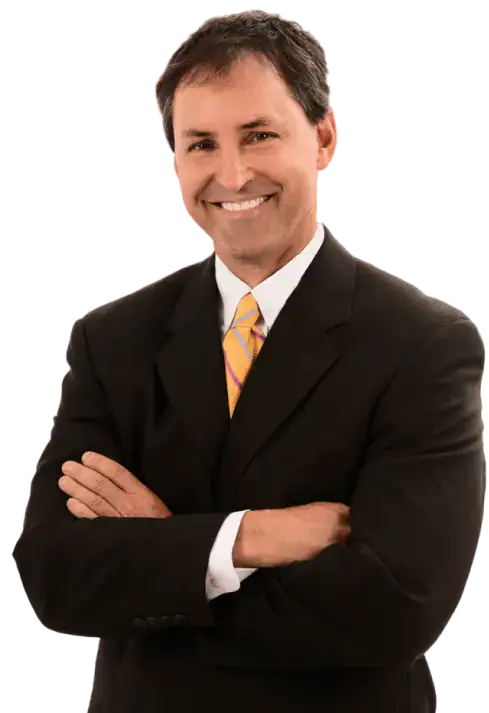
Commentary by Attorney Michael Grossman
When someone gets seriously hurt in a crash, questions don’t just arise about who had the green light or who was turning where. The deeper concern is whether every stone has been turned over in the effort to understand what really happened. Answers matter. Not just for closure, but to ensure no critical evidence goes overlooked.
Did the authorities thoroughly investigate the crash? In a crash like this, where one car was turning and another collided with it, the scene itself only tells part of the story. Investigators should be doing more than jotting down statements. They should be mapping vehicle positions, analyzing impact angles and reviewing each driver’s behavior before the moment of contact. That kind of work takes training, time and focus, and it’s not always guaranteed that those standards are met at every scene. We don’t know yet if that level of scrutiny happened here.
Has anyone looked into the possibility that a vehicle defect caused the crash? There’s always the chance that something didn’t work like it should have. Brake issues, steering malfunctions or even onboard sensors misfiring can alter how a driver reacts, especially in a split-second situation like a left-hand turn. If no one checks the mechanical condition of both vehicles involved, that possibility gets swept under the rug before it’s even considered.
Has all the electronic data relating to the crash been collected? Modern vehicles often record critical data before a collision, things like speed, steering input and braking. Phones and navigation systems might also show whether one of the drivers was distracted or trying to reroute. That kind of data can fill in the gaps left by human memory or incomplete statements, but it has to be gathered quickly before it disappears or gets overwritten.
The questions we ask after a crash aren’t just procedural. They’re essential. Getting the truth means digging deeper than surface-level reports, and that takes effort most people don’t even realize is necessary.
Key Takeaways:
- Crash investigations should go beyond basic interviews and scene photos.
- Vehicle defects might play a hidden role and should be checked for.
- Electronic data can confirm or clarify what happened and shouldn’t be ignored.