

If you were hurt in an accident, you may feel confused about what happens next. Many people think personal injury cases are like filling out a form and waiting for a check. That is not how it works.
Personal injury cases are liability-based, not eligibility-based. That means you do not automatically qualify for payment just because you were hurt. You must prove that someone else is legally responsible for your injury.
The goal of a case is to recover compensation for what you have lost. This can include medical bills, lost income, and the personal impact on your life. But getting there takes time. It requires gathering evidence and proving negligence against the defendant.
Understanding the process helps you know what to expect. It also helps you see why having the right lawyer matters from the very beginning.
Step 1 – Understanding the Legal Basis of Negligence

Most personal injury cases are based on negligence. Negligence means someone failed to be careful and hurt you as a result.
Your attorney must prove four elements of negligence in court.
First, the defendant owed you a legal duty. For example, drivers have a duty to follow traffic laws. Bars have a duty not to over-serve alcohol. Employers have a duty to provide a safe workplace.
Second, the defendant breached that duty. This means they acted in a way that was unsafe. A commercial truck driver who texts while driving may breach that duty. A bar that serves alcohol to someone who is clearly intoxicated may breach that duty. A company that ignores known safety risks may do the same.
Third, you must show that you suffered actual harm. There must be a real injury. This can include physical harm, financial loss, or both.
Fourth, you must prove that their actions directly caused your injuries. This fourth part is called proximate cause.
Proximate cause has two parts.
The first is cause in fact. This asks a simple question. But for their actions, would you have been fine? If the answer is no, then cause in fact may be satisfied.
The second is foreseeability. This means the defendant could reasonably guess that harm might happen because of their conduct. A drunk driver can foresee that driving while intoxicated may cause a crash. A company that ignores safety rules can foresee that someone might get hurt.
If you cannot prove all four elements, your case will fail. That is why careful investigation is so important.
Additionally, in catastrophic cases, proving negligence often requires more than eyewitness testimony. Commercial truck cases may involve black box data, driver logs, and federal safety regulations. Dram shop cases require proof that alcohol was served to someone who was obviously intoxicated.
Fatal work accident cases may involve OSHA standards and internal company safety audits. These cases are not simple disputes about who bumped into whom. They require deep legal knowledge, aggressive investigation, and a clear strategy from the start.

Step 2 – Filing the Lawsuit and Starting Litigation

Once your lawyer has investigated your case and believes negligence can be proven, the next step is filing a lawsuit. Filing the lawsuit officially begins the litigation phase.
Litigation does not mean you are going to trial right away. It means the formal court process has started.
The first major step is written discovery. During discovery, both sides exchange important information and documents.
You may request the defendant’s insurance information. You may seek accident reports, recordings, and internal emails. In business cases, such as commercial vehicle accidents or fatal work incidents, you may also request copies of company policies and safety rules.
The defense can request documents from you as well. This may include medical records or proof of lost wages.
This exchange of information can take many months. In complex cases, it can take over a year.
After written discovery comes depositions. Depositions are sworn statements taken outside of court. Lawyers question witnesses under oath. This can include you, the defendant, company representatives, and expert witnesses.
Depositions help both sides understand the full story. They also lock in testimony. What someone says under oath can later be used at trial.
In serious cases, such as commercial truck crashes or dram shop claims, expert witnesses may also be involved. These experts may explain trucking regulations, alcohol service standards, or workplace safety practices.
Step 3 – Mediation and Trying to Settle Before Trial

After discovery and depositions are complete, most courts require mediation.
Mediation is a settlement meeting. A neutral mediator meets with both sides. The mediator does not take either side. Their role is to help both parties reach an agreement.
Many cases settle at mediation. This is true even in high-value cases involving catastrophic injury or wrongful death.
Mediation can save time and stress. It can also reduce court costs. Both sides avoid the risk of a jury verdict.
However, settlement requires compromise. If one side refuses to offer or accept a fair number, the case will move forward.
A strong law firm prepares every case as if it will go to trial. That preparation often leads to better settlement offers.
Step 4 – Going to Trial and What Happens in Court

If mediation does not lead to settlement, the case goes to trial.
At trial, a jury hears evidence from both sides. Each side presents witnesses, documents, and expert testimony. The jury listens to the facts and applies the law.
The judge oversees the process. The judge ensures that legal rules are followed. The jury decides who is right.
If you win, the jury decides the amount of damages you should receive.
Trial is your chance to tell your story publicly. It is also your chance to hold the defendant accountable.
Trials can last several days or even weeks. They require careful preparation. They also involve risk. A jury may award more than a settlement offer. A jury could also award less.
Your attorney will help you weigh those risks before deciding whether to settle or proceed.
Step 5 – Understanding the Types of Damages Available
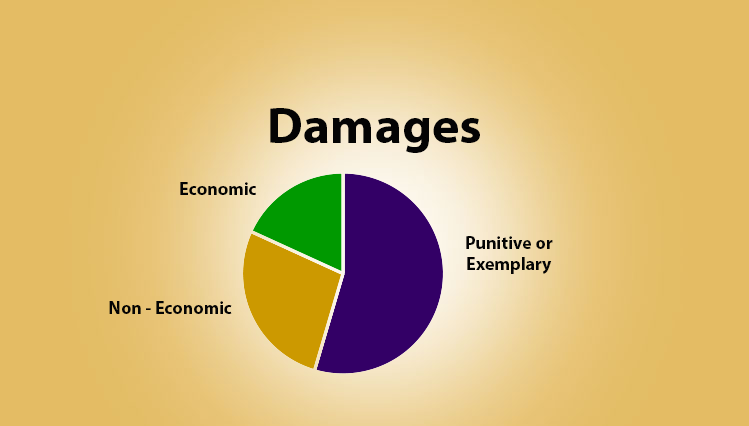
Money recovered in a case is called damages.
Compensatory damages are designed to pay you back for what you have lost. Texas law recognizes multiple types of compensatory damages.
Economic damages cover measurable losses. This includes past medical bills and lost wages. Future medical expenses may also be included if you need ongoing treatment.
If your injury prevents you from returning to your previous job, you may claim loss of earning capacity. This looks at the long-term impact on your income.
Loss of household services covers tasks you can no longer perform. This can include cleaning, yard work, or caring for family members.
Non-economic damages are more personal. Physical impairment refers to a reduced quality of life. Physical disfigurement covers scars or permanent visible injuries.
Mental anguish includes depression, anxiety, and emotional distress caused by the accident.
Loss of consortium addresses harm to close family relationships. A spouse or child may be affected by serious injuries.
In some cases, exemplary damages may be available. These are also called punitive damages. They are not meant to compensate you. They are meant to punish the defendant.
To recover exemplary damages, you must prove gross negligence. Gross negligence means conduct that shocks the senses. It goes beyond ordinary carelessness.
For example, a company that knowingly allows a dangerous truck on the road could face this claim. A bar that continues to serve someone who is clearly intoxicated may also face serious consequences.
In wrongful death cases, damages may also include funeral expenses, loss of financial support, and the emotional toll on surviving family members. Texas law allows spouses, children, and parents to pursue these claims. These losses are deeply personal and cannot truly be replaced with money. Still, financial compensation can help stabilize a family’s future. It can ensure that children are supported and that the responsible party is held accountable for the harm caused.
Step 6 – Defenses the Other Side Might Use Against You

Defendants rarely admit fault. They use legal defenses to reduce or eliminate compensation.
One common defense is the statute of limitations. In Texas, you generally have two years to file a lawsuit. If you file too late, your case can be dismissed.
They may argue that you failed to prove one of the negligence elements. They may claim you were partly at fault.
An Act of God defense argues that a natural event, such as a storm, caused the harm.
Assumption of risk means you knowingly participated in a dangerous activity.
Mitigation of damages means they claim you made your injuries worse. For example, they may argue you waited too long to seek medical care.
They may also argue that a new and independent cause was responsible. This means something unrelated to the original accident caused your harm later.
An experienced lawyer anticipates these defenses. Preparation is key.
Step 7 – Factors That Determine What Your Case Is Worth

Many people want to know what their case is worth. The answer depends on several factors.
The severity of your injuries plays a major role. Minor injuries may be worth thousands of dollars. Injuries requiring surgery may reach five figures or more.
Some surgical cases reach low six figures. Life-changing injuries can be worth over a million dollars.
Wrongful death claims can involve even higher stakes. The financial and emotional impact is often profound.
The defendant’s ability to pay also matters. Insurance limits can cap recovery. If the responsible party has limited coverage, that can affect the outcome.
This is especially important in commercial vehicle accidents and fatal work cases. Identifying all responsible parties is critical.
In commercial truck cases, there may be multiple defendants. The driver, the trucking company, a maintenance contractor, or even a cargo loader could share responsibility. In dram shop cases, the establishment that overserved alcohol may be liable alongside the intoxicated driver. In fatal work accidents, third-party contractors may be involved. A thorough investigation ensures that no source of compensation is overlooked. This can make a significant difference in the final recovery.
You cannot get blood from a stone. That is why investigation into insurance coverage and corporate structure is so important.
Having an experienced attorney is vital. Your lawyer guides you through every step. They help prove negligence and proximate cause. They handle discovery, mediation, and trial preparation.
Grossman Law Offices has focused for decades on catastrophic injury and wrongful death cases. Founded in 1990 by Michael Grossman, this Texas-based law firm is not a general practice firm. It concentrates on a narrow group of serious cases.
The firm is especially known for commercial truck accidents, dram shop claims involving unlawful alcohol service, and fatal or catastrophic work accidents. These cases are complex and often heavily defended.
Over the years, the firm has earned national awards and recognition. But what matters most is the impact on families. Results mean medical bills paid, futures secured, and accountability achieved.
Grossman Law Offices Is Here to Answer Your Questions

Personal injury cases can feel overwhelming to handle alone. The legal system is not simple. The stakes are high.
We understand how confusing this process can be. We have spent decades helping families across Texas navigate serious cases.
When you hire us, you are not just getting paperwork filed. You are getting a team that prepares every case as if it may go to trial. We investigate thoroughly, challenge weak defenses, and build cases designed to hold wrongdoers accountable.
Our law firm focuses on a limited number of complex practice areas. That focus allows us to dig deep into the facts, the law, and the strategy needed for success.
If you have been hurt in an accident, call us to talk. We will listen carefully. We will explain your options in clear terms.
You deserve to understand what to expect. You deserve an attorney who prepares thoroughly and stands firm when the pressure rises.
Let us help you take the next step forward. We are ready to answer your questions and fight for the compensation you deserve.

Reading Time: 8 minutesTake the first step toward justice and peace today.
Available for you 24/7

 call us
  Email Us
  Text us