
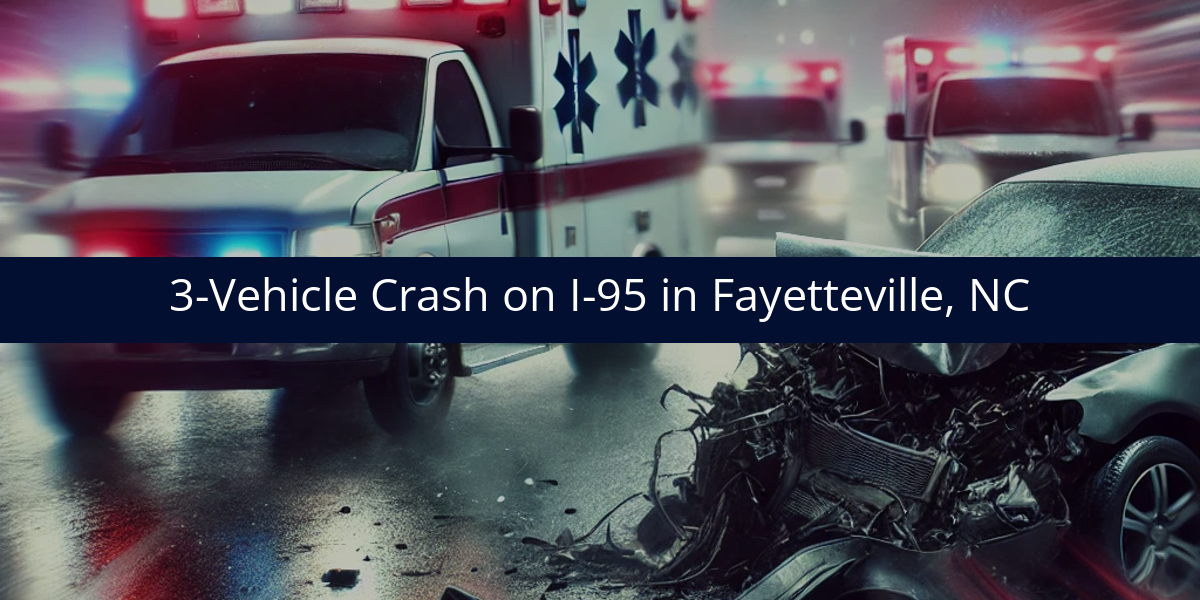
Authorities are investigating a three-vehicle collision that occurred early Monday morning on northbound I-95 near mile marker 53 in Fayetteville. According to investigators, a disabled dump truck was parked in the breakdown lane with a service truck stopped nearby to assist. A tractor-trailer traveling north allegedly sideswiped both vehicles, striking the mechanic and rear-ending the dump truck. One person was pronounced dead at the scene, and the dump truck driver was hospitalized with serious injuries. The semi-truck driver has since been charged with failure to maintain lanes and death by motor vehicle.
Crashes involving roadside service or disabled vehicles are particularly dangerous, especially on high-speed interstates where commercial trucks require far more distance to correct their path. Even a brief deviation from the travel lane can have serious consequences for anyone working or stopped nearby.
Potential Role of Fatigue or Distraction
Investigators will likely review whether fatigue or distraction contributed to the tractor-trailer veering out of its lane. Long-haul truck drivers often face demanding schedules, and even short lapses in attention can prevent a driver from reacting in time to stationary hazards. Reviewing driver logs, rest periods, and phone activity could help determine whether inattentiveness or exhaustion was a contributing factor in this crash.
Mechanical and Equipment Considerations
It’s also important to examine whether any mechanical issues may have played a role in the semi-truck’s loss of lane control. Defective steering, braking, or tire components can cause sudden veering or instability, particularly at highway speeds. Inspecting the truck’s maintenance records and onboard diagnostic data can help determine whether a preventable equipment issue contributed to the collision.
What Evidence Should Be Reviewed?
Investigators will rely on multiple forms of evidence to understand how this crash occurred. The Engine Control Module (ECM) from the tractor-trailer can reveal key data, including speed, brake pressure, and steering input before the collision. Dashcam footage, if available, may provide visual confirmation of whether the driver attempted to correct course. Finally, witness accounts and physical scene evidence will be essential for reconstructing the sequence of events.
Why Comprehensive Investigation Is Crucial
A collision like this raises serious questions about driver behavior and vehicle maintenance. Determining whether this was a result of inattention, fatigue, or a mechanical defect is vital for accountability and for ensuring that those affected receive clear answers about what happened and why.
 call us
  Email Us
  Text us